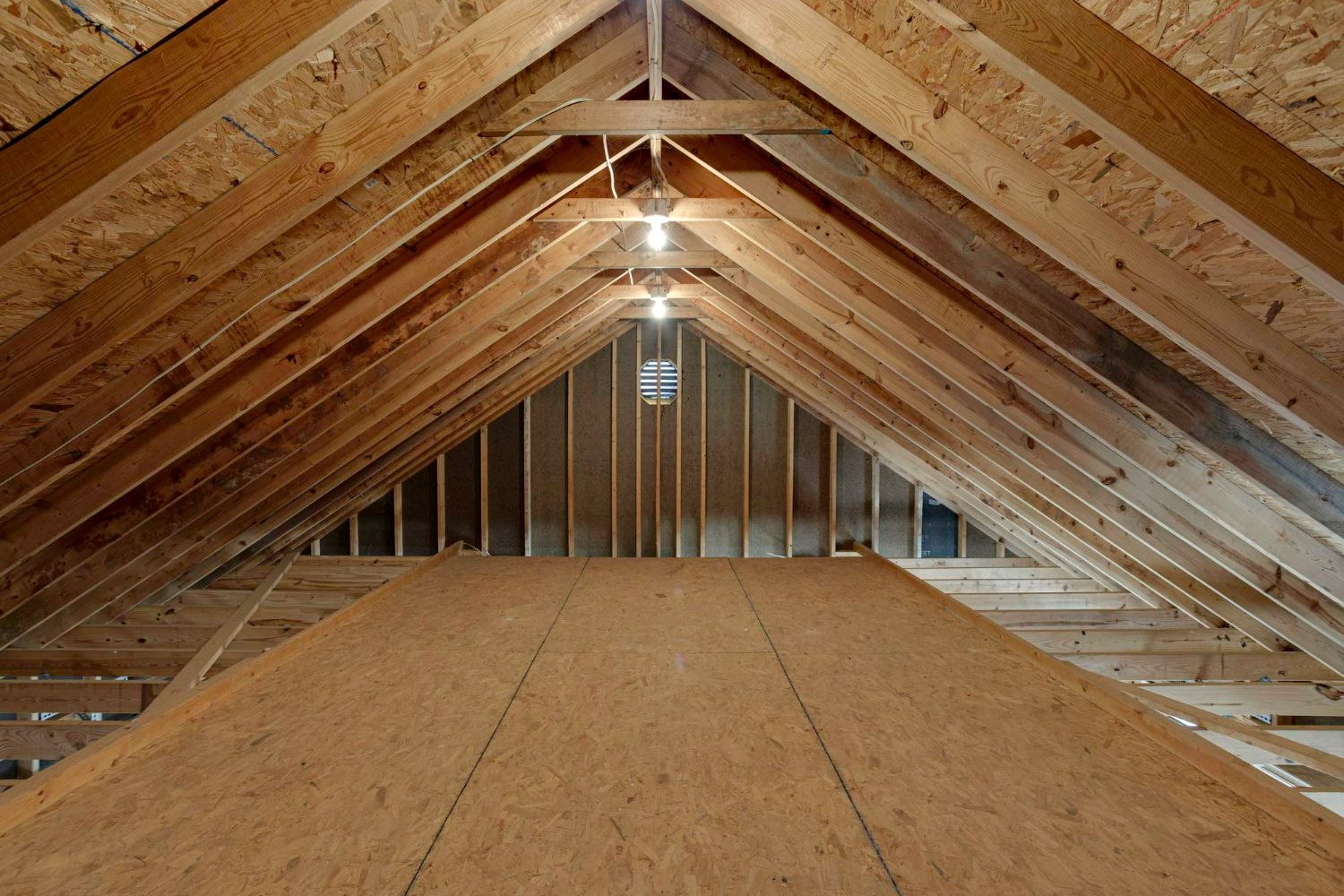
Mold Encapsulation in Melbourne Inside Commercial Buildings: The Science Behind the Solution
Commercial buildings in Melbourne operate under constant environmental pressure.
Between coastal humidity, daily storm cycles, high occupancy levels, and complex HVAC systems, moisture control becomes a continuous responsibility. When mold affects structural framing inside commercial spaces — especially in attics, ceiling cavities, or utility areas — remediation strategies must be both effective and durable.
One method often used in structural mold remediation is mold encapsulation.
But encapsulation isn’t a shortcut or cosmetic solution. In commercial buildings, it’s applied based on moisture science, material condition, and long-term structural protection goals.
Why Commercial Buildings in Melbourne Are Vulnerable to Mold
Commercial structures experience unique challenges compared to residential homes.
Large Roof Surfaces
Expanded roof areas increase exposure to wind-driven rain.
Complex HVAC Systems
High-capacity air handlers can produce condensation issues.
Drop Ceilings and Utility Voids
Hidden spaces allow moisture to accumulate unnoticed.
High Occupancy and Activity
Frequent door openings increase humidity fluctuations.
Coastal Humidity
Melbourne’s proximity to the Atlantic increases ambient moisture year-round.
When moisture infiltrates structural framing or remains trapped in concealed areas, mold can develop on wood decking, trusses, and support beams.
What Mold Encapsulation Actually Is
Mold encapsulation involves applying a specialized coating to structural surfaces after proper cleaning and drying.
It is typically used when:
- Structural wood is stained but structurally sound
- Removal of framing is not necessary
- Moisture sources have been corrected
- Additional protection is desired
Encapsulation seals porous surfaces, reducing the ability of mold spores to attach and limiting future moisture absorption.
It is a protective measure — not a substitute for remediation.
The Science Behind Encapsulation
Understanding why encapsulation works requires understanding how mold interacts with materials.
Mold requires:
- Moisture
- Organic material (such as wood)
- Oxygen
- Suitable temperature
When wood remains damp, mold colonizes its porous surface.
Encapsulation works scientifically by:
Sealing Porous Surfaces
The coating penetrates microscopic pores in wood, limiting spore adhesion.
Reducing Moisture Absorption
Sealed wood resists ambient humidity uptake.
Creating a Barrier Layer
Encapsulation isolates residual staining after proper cleaning.
Stabilizing Surface Conditions
It prevents reactivation when humidity fluctuates.
In Melbourne’s humid climate, reducing surface absorption is critical.
Why Moisture Correction Must Come First
Encapsulation is only effective when materials are dry.
If applied over damp framing, it can:
- Trap internal moisture
- Accelerate wood rot
- Cause fastener corrosion
- Allow mold regrowth beneath the coating
Before encapsulation, professionals must verify:
- Moisture levels are within safe thresholds
- Roof or plumbing leaks are repaired
- HVAC condensation issues are corrected
- Ventilation systems are balanced
In commercial buildings, this verification process is essential.
Companies like Inspections and More FL prioritize moisture detection before applying encapsulation solutions.
Common Commercial Areas Where Encapsulation Is Used
In Melbourne commercial properties, encapsulation is often applied in:
Attic Roof Decking
Large roof surfaces increase storm exposure risk.
Structural Trusses
Exposed framing in warehouses or office buildings.
Mechanical Rooms
Areas with elevated humidity from equipment.
Ceiling Plenum Spaces
Hidden areas above drop ceilings.
Crawl Spaces
Ground moisture beneath slab or pier structures.
These areas are typically not high-visibility zones but are critical to structural stability.
Why Encapsulation Is Valuable in Commercial Settings
Commercial buildings must maintain:
- Structural integrity
- Indoor air quality
- Operational continuity
- Regulatory compliance
Encapsulation supports these goals by:
- Reducing the chance of recurring mold growth
- Protecting structural framing
- Limiting downtime from repeated remediation
- Improving long-term moisture resistance
In Melbourne’s climate, where humidity cycles are constant, added protection is beneficial.
The Professional Encapsulation Process
Inside commercial buildings, the process typically includes:
1. Comprehensive Moisture Detection
Using moisture meters and thermal imaging to locate damp zones.
2. Source Correction
Repairing intrusion points or HVAC imbalances.
3. Containment Setup
Preventing spore migration into occupied areas.
4. HEPA Cleaning
Removing surface contamination from framing.
5. Structural Drying
Ensuring wood moisture levels are stabilized.
6. Encapsulation Application
Applying coating evenly to exposed structural materials.
7. Ongoing Monitoring
Periodic humidity and moisture checks.
This method ensures encapsulation enhances remediation rather than masking problems.
Why DIY Coatings Are Not Encapsulation
In commercial environments, generic paint or sealant is not equivalent to professional encapsulation.
Applying unverified coatings without:
- Cleaning
- Drying
- Moisture correction
- Containment
Can create hidden damage beneath the surface.
Encapsulation must be part of a structured remediation strategy.
Preventing Recurrence in Melbourne Commercial Buildings
Encapsulation works best when paired with long-term moisture management.
Property managers can reduce risk by:
Inspecting Roof Systems Annually
Large roof surfaces are vulnerable to minor gaps.
Monitoring Indoor Humidity
Maintain 45–55% relative humidity.
Servicing HVAC Systems Regularly
Ensure condensate drains and airflow balance are functioning.
Evaluating Attic and Plenum Spaces
Especially after storms.
Conducting Periodic Moisture Assessments
Even when no visible damage is present.
Commercial properties in Palm Bay, Cocoa, Merritt Island, and Sanford face similar environmental pressures, but Melbourne’s coastal influence increases humidity intensity.
Why Local Expertise Matters
Mold encapsulation decisions require understanding:
- Coastal wind-driven rain behavior
- Salt air effects on structural materials
- Commercial ventilation design
- Slab and crawl space moisture migration
- Seasonal humidity cycles
Inspections and More FL applies this regional knowledge when evaluating encapsulation needs in commercial buildings, ensuring that solutions align with Florida’s environmental conditions.
A Science-Based Protective Strategy
Mold encapsulation in Melbourne commercial buildings is not about appearance.
It’s about moisture science.
When structural wood has been properly cleaned, dried, and stabilized, encapsulation provides an added layer of defense against future humidity cycles.
In Florida’s coastal climate, where moisture exposure is ongoing, that protective barrier can help maintain structural integrity and reduce the risk of recurring remediation.
Understanding the science behind the solution ensures encapsulation is used appropriately — and effectively — inside commercial spaces.