
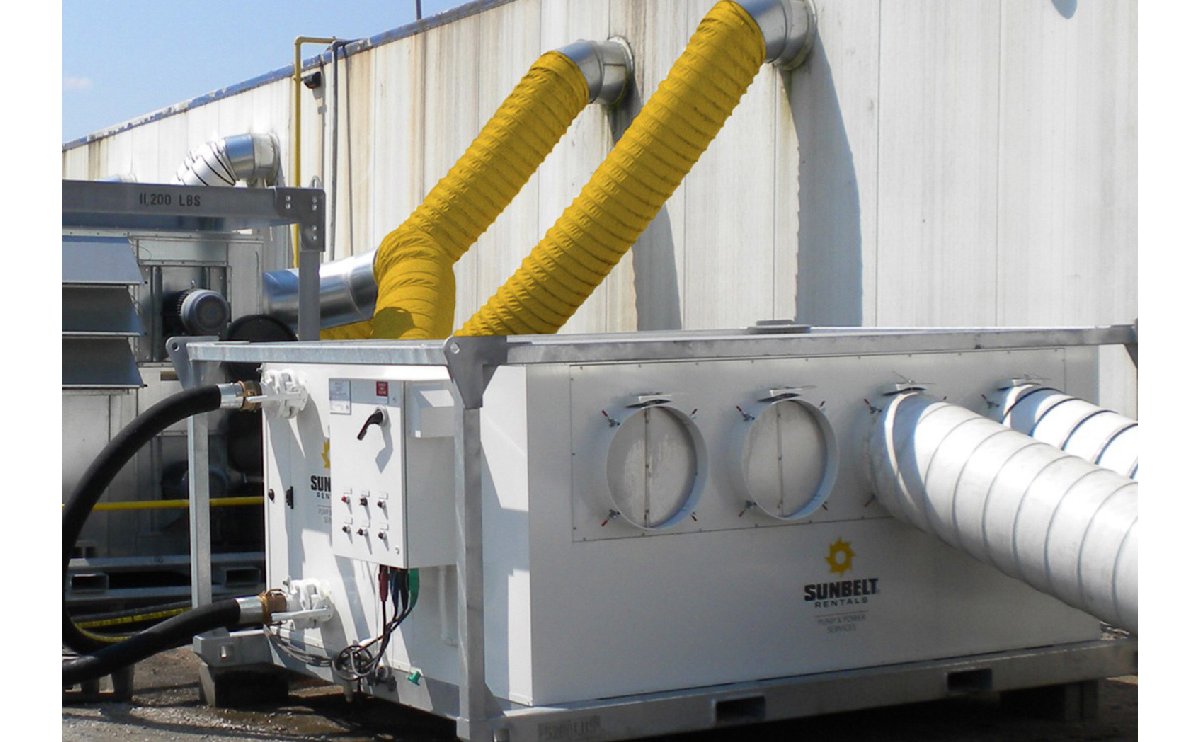
Understanding Air Blower Installation Challenges in Cocoa in Rental Properties
Rental properties in Cocoa face a unique set of moisture and air-flow issues — and when high humidity or water intrusion occurs, resolving them can be more complicated than in an owner-occupied home. One strategy used in moisture mitigation is the installation of air blowers inside wall cavities or enclosed spaces. While this can help encourage airflow and dry hidden moisture pockets, there are challenges specific to rental properties that owners, landlords, and property managers need to understand.
Why Moisture Issues Are Common in Rentals
Even without major leaks, everyday activity in rental units produces moisture. Activities like showering, cooking, and even breathing release water vapor into the air, which can settle into walls and structural cavities if airflow is limited. High indoor humidity combined with poor ventilation fuels long-term moisture problems that aren’t always obvious until they cause visible issues like musty odors, peeling paint, or mold growth. (Real Property Management Sterling)
In Cocoa’s hot, humid climate, these underlying moisture pressures are more pronounced — and rental units often have older ventilation systems or less consistent maintenance than owner-occupied homes.
Challenge #1 — Limited Access and Tenant Disruption
Unlike single-family homes, rental properties often have ongoing tenant occupancy. Installing air blowers inside wall cavities or interior spaces usually requires opening walls, moving tenant belongings, and potentially shutting off utilities temporarily.
Landlords and property managers must balance:
- Scheduling access with tenants
- Protecting tenant privacy and possessions
- Coordinating repairs without long vacancy periods
Without clear communication and planning, this coordination can delay installation and reduce effectiveness.
Challenge #2 — Identifying the Right Moisture Sources
Before air blower installation makes sense, the real source of moisture must be identified. In many rental units, what feels like damp air is actually:
- Condensation due to high humidity
- Poor ventilation in bathrooms and kitchens
- HVAC systems that don’t adequately dehumidify
- Small leaks behind walls that haven’t been located yet (United Structural Systems)
Air blower installation should not be used as a band-aid that simply circulates air back into the problem area without addressing the underlying source of moisture. Spending time on regular moisture evaluation — including visual inspection, moisture meters, and sometimes thermal scans — ensures blowers are placed where they are truly needed rather than just moving moist air around.
Challenge #3 — Coordinating With HVAC and Ventilation Systems
Rental properties often rely on a shared HVAC system, or older systems that may not balance airflow as efficiently as modern installations. When air blowers are installed inside wall cavities without considering the overall HVAC strategy, unwanted problems can arise:
- Tugging humid air from crawlspaces or attic vents
- Pulling moist air into conditioned spaces
- Creating pressure imbalances that worsen condensation
- Unintentionally drawing air from exterior leaks
In a humid climate, improperly incorporating airflow devices can circulate moisture instead of drying it, making the indoor humidity control less effective. Proper evaluation of the HVAC system and its ductwork is essential before blower placement.
Challenge #4 — Moisture Can Be Concealed, Not Gone
In rental units where tenants may not report issues until they worsen, moisture can remain hidden behind walls long before visible signs develop. By the time airborne odors or stains appear, moisture may have penetrated deep into framing, insulation, or subfloor cavities.
Installing air blowers without pinpointing these hidden moisture pockets often leads to:
- Uneven drying
- Moisture trapped in undisturbed areas
- Recurrence of dampness after blowers are removed
Comprehensive moisture mapping and measurement help ensure that air blowers are installed strategically — not just haphazardly — to support moisture removal rather than redistribute it.
Challenge #5 — Balancing Tenant Comfort With Moisture Control
Air blowers are usually loud compared to standard household fans and can impact tenant comfort if left running for extended periods inside living spaces. In a rental setting, leaving powerful air blowers running inside occupied rooms is not always practical or acceptable.
It’s often necessary to:
- Use quieter equipment outside of high-occupancy times
- Schedule blower operation when tenants are away
- Combine blower use with dehumidification to reduce runtime
This logistical balancing act is another layer of complexity not present in owner-occupied scenarios.
Challenge #6 — Equipment Placement and Monitoring
Effective blower installation is not just about placing a fan in a cavity and hoping for the best.
Proper placement relies on:
- Correct positioning to create effective airflow patterns
- Close monitoring and adjustment based on moisture readings (KnowHow)
- Strategic integration with dehumidifiers and air movers
- Regular check-ins to confirm drying progress
In rental properties where scheduled inspections may only occur every few months or longer, maintaining that oversight requires careful planning and documentation.
When Air Blowers Make Sense in a Rental Property
Despite the challenges, there are times when air blower installation is appropriate — especially when it’s part of a broader moisture control plan that may also include:
- Dehumidification
- HVAC system balancing
- Repairs to structural leaks, roof flashing, or plumbing
- Improved ventilation in kitchens and bathrooms
When air blowers are installed after moisture sources are corrected and in coordination with humidity control systems, they help speed structural drying and reduce the risk of long-term mold development.
A Practical Approach for Cocoa Rental Owners
For landlords and property managers in Cocoa, the key is a methodical strategy:
- Inspect and identify moisture sources early — don’t wait for tenants to complain.
- Measure moisture and indoor humidity routinely — a simple hygrometer can spot trends before damage occurs.
- Fix leaks and improve ventilation systems before relying on blowers.
- Coordinate blower installation professionally so that airflow aids drying instead of circulating moist air.
- Communicate with tenants throughout the process to minimize disruption and maintain trust.
Rental properties are especially vulnerable to moisture because tenants may not always prioritize ventilation and humidity control. A proactive strategy that addresses both moisture sources and proper airflow solutions helps protect the building over time.
