
Palm Bay Homes Dealing With Mold Removal in Rental Properties — A Practical Homeowner Breakdown
Rental properties in Palm Bay can be rewarding investments, but they also come with unique maintenance challenges. One of the most common and misunderstood issues landlords face in this area is mold. Between Florida’s persistent humidity, heavy rainstorms, high water tables, and constant air conditioning use, moisture problems develop easily — and when moisture lingers, mold often follows.
For property owners, mold removal in rental homes is not just about cleaning a visible stain. It requires a structured, practical approach that protects the property, addresses tenant concerns, and prevents recurring damage. Here is a clear breakdown of what landlords and homeowners in Palm Bay should understand.
Why Mold Is So Common in Palm Bay Rentals
Palm Bay’s climate creates an environment where moisture thrives. Rental properties are particularly vulnerable for several reasons.
Year-Round Humidity
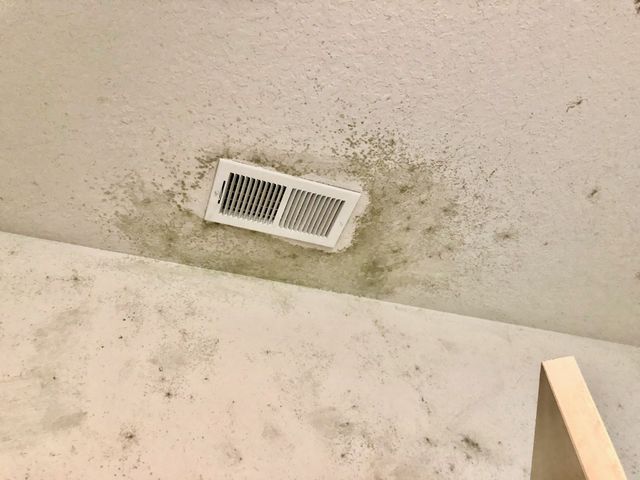
Even on dry days, Florida air holds moisture. When humid air enters a home and meets cool interior surfaces, condensation can develop inside walls, around vents, and near windows.
Heavy Rain and Storm Activity
Sudden downpours, tropical systems, and hurricane-season winds can cause roof leaks or allow wind-driven rain to enter vulnerable areas.
AC Condensation
Air conditioning systems in Palm Bay run almost continuously. Over time, clogged drain lines, sweating ducts, or poorly insulated air handlers can introduce moisture into ceilings and wall cavities.
Tenant Turnover and Reporting Delays
Tenants may not always report minor leaks or musty odors immediately. Small moisture issues can grow into larger mold concerns between inspections.
Understanding these local patterns is the first step in managing mold properly.
What Mold Removal Really Involves
Many property owners assume mold removal means wiping down a surface and repainting. In reality, effective mold remediation is more structured.
A proper mold removal process includes:
- Identifying the moisture source
- Measuring moisture levels in building materials
- Containing affected areas
- Removing contaminated materials
- Cleaning and treating structural surfaces
- Drying the structure completely
- Verifying moisture stability
In Palm Bay rental properties, skipping any of these steps often leads to recurring problems.
Common Signs in Rental Properties
Landlords in Palm Bay often notice warning signs such as:
- Musty or damp odors between tenants
- Visible mold near baseboards or ceilings
- Water stains from previous roof leaks
- Soft or warped drywall
- Peeling paint
- Complaints of humid indoor air
Sometimes, mold is discovered during tenant move-out inspections. Other times, it becomes visible after heavy rainfall or HVAC issues.
Regardless of when it appears, prompt action prevents escalation.
The Importance of Moisture Detection
Before removal begins, moisture detection is critical.
Professionals typically evaluate:
- Wall cavities
- Attic insulation
- Subflooring
- HVAC systems
- Crawl spaces
- Window frames and flashing
Thermal imaging and moisture meters help identify hidden damp areas. In Palm Bay homes, moisture frequently spreads beyond the visible mold spot.
Without identifying the full extent, removal efforts may be incomplete.
Why DIY Cleaning Often Fails
Some landlords attempt to clean mold with household products or bleach. While surface stains may fade temporarily, underlying moisture and growth often remain.
Common DIY issues include:
- Treating only visible areas
- Not correcting roof or plumbing leaks
- Failing to dry wall cavities
- Spreading spores during cleaning
- Painting over affected drywall
Florida’s humidity accelerates recurrence when moisture is not fully addressed. Surface cleaning without structural drying rarely solves the problem long term.
Proper Containment in Rental Homes
In occupied or multi-unit rental properties, containment is especially important.
During professional remediation:
- Plastic barriers isolate affected areas
- Air scrubbers filter airborne particles
- Negative air pressure prevents cross-contamination
In duplexes or apartment buildings, shared walls and ventilation systems can allow mold spores to migrate. Containment protects neighboring units and reduces tenant disruption.
Structural Drying After Removal
After contaminated materials are removed, drying becomes the priority.
Industrial air movers and dehumidifiers reduce moisture in:
- Wood framing
- Subfloors
- Ceiling joists
- Wall studs
Palm Bay’s humid climate makes professional dehumidification essential. Simply opening windows is ineffective because outdoor air often carries high moisture levels.
Drying continues until materials reach safe moisture content levels.
Cost Factors for Landlords
Mold removal costs vary based on several factors:
- Size of affected area
- Severity of contamination
- Accessibility of attic or crawl space
- Extent of drywall or insulation removal
- Need for containment
- Moisture correction work required
In rental properties, older construction and deferred maintenance can increase scope. However, early detection usually reduces overall expense.
Addressing a small roof leak promptly costs far less than replacing large sections of framing later.
Preventing Recurring Mold in Palm Bay Rentals
Prevention is where landlords gain long-term savings.
Practical steps include:
- Scheduling roof inspections after storms
- Servicing HVAC systems twice annually
- Cleaning AC drain lines regularly
- Installing proper attic ventilation
- Adding vapor barriers in crawl spaces
- Monitoring indoor humidity levels
- Inspecting bathrooms and kitchens for exhaust performance
Palm Bay’s environment requires ongoing vigilance.
Routine property evaluations between tenants help identify minor moisture issues before they grow.
Tenant Communication Matters
Mold situations in rental properties require calm, clear communication.
Tenants may feel concerned about:
- Indoor air quality
- Safety of remediation products
- Temporary relocation during repairs
Providing realistic timelines and explaining each step helps maintain trust. Professional remediation teams use structured procedures designed for residential environments.
Transparency reduces misunderstandings and protects landlord-tenant relationships.
The Role of Professional Experience
Palm Bay homes have unique building patterns. Many rental properties feature:
- Slab foundations
- Attic-based HVAC systems
- Aging roof materials
- Limited ventilation in older designs
Local experience improves diagnosis speed and accuracy.
Inspections and More FL works throughout Palm Bay, Cocoa, Melbourne, Merritt Island, and Sanford. Familiarity with regional moisture behavior and storm patterns helps ensure mold removal is thorough and prevention-focused.
A Practical Action Plan for Landlords
When mold appears in a Palm Bay rental property, a structured approach works best:
- Inspect and identify moisture source
- Correct roof, plumbing, or HVAC issues
- Conduct proper containment
- Remove contaminated materials
- Dry structural components completely
- Verify moisture stability
- Implement prevention measures
Acting quickly limits damage and reduces long-term repair costs.
Mold removal in rental properties does not have to become a crisis. With proper moisture management, early detection, and professional remediation when needed, Palm Bay landlords can protect both their investment and tenant comfort.
Florida’s humidity is not going away. But with the right approach, mold problems can be managed effectively and prevented from returning.
