
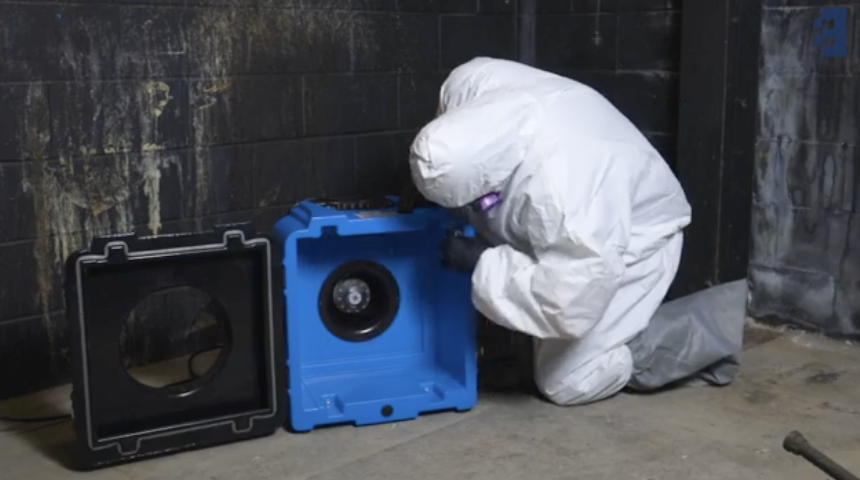
Mold Removal in Merritt Island During Extreme Humidity: Lessons Learned From Local Cases
Merritt Island’s coastal environment is beautiful, but it brings one consistent challenge: humidity. When extreme humidity settles in — especially during summer months or after heavy storm systems — mold issues can escalate quickly inside homes.
Over the years, properties across Merritt Island have revealed a clear pattern. Mold removal during extreme humidity is not just about cleaning visible growth. It requires understanding how moisture behaves in coastal Florida and adjusting remediation strategies accordingly.
Here are practical lessons learned from local cases that homeowners should understand.
Why Extreme Humidity Changes Everything
Humidity alone does not automatically cause mold. But when humidity levels remain high for extended periods, building materials begin absorbing moisture from the air itself.
In Merritt Island, especially near waterfront neighborhoods and lagoon-facing homes, indoor humidity can stay elevated even when there are no visible leaks.
Extreme humidity affects:
- Drywall
- Wood framing
- Insulation
- HVAC ductwork
- Subflooring
During prolonged humid periods, materials that were once dry can slowly accumulate enough moisture to support mold growth.
That is one of the most important lessons from local cases: water intrusion is not always required. High ambient humidity alone can create conditions for mold.
Lesson 1: Attics Are Often the Starting Point
In many Merritt Island homes, mold begins in the attic.
Why?
- Attics trap heat
- Poor ventilation increases humidity retention
- Roof decking absorbs moisture
- Ductwork sweats in high humidity
When extreme humidity combines with attic heat, condensation forms on wood sheathing and trusses. Over time, visible mold growth appears.
In several local cases, homeowners only noticed ceiling stains months after attic mold had already developed.
The takeaway: attic inspections during humid seasons are essential.
Lesson 2: HVAC Systems Can Spread the Problem
Air conditioning systems work hard in Merritt Island. But during extreme humidity, they may not remove moisture fast enough.
Common issues observed locally include:
- Oversized AC units that short cycle
- Poor duct insulation
- Leaking air handlers in attic spaces
- High indoor humidity despite cooling
In some cases, mold growth was discovered inside duct systems, spreading spores throughout the home.
Mold removal must address HVAC performance. Without correcting humidity control, remediation efforts fail.
Lesson 3: Surface Cleaning Is Not Enough
Many homeowners initially attempt to wipe down mold spots with household cleaners. While this may temporarily remove discoloration, it does not solve underlying moisture absorption.
In coastal Merritt Island homes, drywall and wood often retain hidden moisture even after surface drying.
Proper mold removal requires:
- Moisture detection
- Containment
- Removal of contaminated materials
- Structural drying
- Verification of safe moisture levels
Skipping moisture measurement leads to repeat growth, especially during the next humid cycle.
Lesson 4: Extreme Humidity Slows Drying
Drying structures in Merritt Island is different from drying in a low-humidity environment.
When outdoor air is saturated, opening windows does not help. In fact, it can make things worse.
Professional mold removal during extreme humidity requires:
- Industrial dehumidifiers
- Controlled air movement
- Sealed containment areas
- Continuous monitoring
In several local cases, projects that would typically take a few days extended longer because humidity levels remained high.
Understanding this prevents unrealistic timelines.
Lesson 5: Crawl Spaces Are Frequently Overlooked
Homes on Merritt Island often sit near water or in areas with high water tables. Crawl spaces can become humid chambers during extreme weather.
Moisture enters from:
- Ground vapor
- Poor drainage
- Flood-prone yards
- Lack of vapor barriers
Mold removal efforts that focus only on living spaces may miss crawl space contamination.
Several local cases required crawl space drying and vapor barrier installation to prevent recurring issues.
Lesson 6: Early Intervention Saves Structural Materials
Extreme humidity accelerates mold growth. The longer moisture remains, the deeper contamination spreads into structural materials.
In some homes, early detection limited removal to small drywall sections.
In delayed cases, mold had spread into:
- Framing
- Subfloors
- Ceiling joists
- Insulation across large attic areas
Quick inspection following heavy humidity periods significantly reduces repair scope.
The Proper Mold Removal Process in Humid Conditions
Based on repeated local experiences, successful mold removal in Merritt Island follows a consistent structure.
1. Thorough Inspection
Professionals assess:
- Attic spaces
- HVAC systems
- Crawl spaces
- Wall cavities
- Moisture levels throughout the home
Thermal imaging and moisture meters identify hidden damp zones.
2. Containment
Plastic barriers isolate affected areas to prevent spore spread during removal.
3. Removal of Contaminated Materials
Heavily affected drywall, insulation, or wood components are removed.
4. Structural Drying
Dehumidifiers and air movers operate continuously until moisture levels return to acceptable ranges.
5. Cleaning and Treatment
Exposed structural surfaces are cleaned and, when appropriate, treated to stabilize the area.
6. Moisture Control Improvements
Ventilation upgrades, vapor barriers, or HVAC adjustments are often recommended to prevent recurrence.
Each step is critical during extreme humidity.
Preventing Mold During High-Humidity Seasons
Homeowners in Merritt Island can reduce risk by taking proactive steps.
Practical prevention strategies include:
- Monitoring indoor humidity (keeping levels below 60%)
- Servicing AC systems regularly
- Inspecting attic ventilation
- Checking crawl spaces after heavy rain
- Installing dehumidifiers when needed
- Inspecting roofs after storms
Humidity will always be part of coastal Florida life. Control is the key.
Why Local Experience Matters
Merritt Island homes experience humidity differently than inland properties. Proximity to water, salt air exposure, and coastal weather patterns all influence moisture behavior.
Recognizing common trouble areas — such as attic ductwork or poorly ventilated crawl spaces — improves response time.
Inspections and More FL has worked extensively throughout Merritt Island, Cocoa, Palm Bay, Melbourne, and Sanford, where humidity-related mold patterns are well understood. Local experience helps identify not only visible mold but the environmental conditions that allowed it to form.
A Practical Final Takeaway
Extreme humidity in Merritt Island is not unusual. What matters is how quickly and thoroughly moisture is addressed when mold appears.
Lessons from local cases show that:
- Humidity alone can trigger mold
- Attics and crawl spaces are common origins
- HVAC systems often play a role
- Surface cleaning is insufficient
- Professional drying is essential
- Prevention requires ongoing humidity control
Mold removal during extreme humidity is not about panic. It is about precision. Identify moisture sources, contain contamination, dry thoroughly, and strengthen prevention.
When handled correctly, even coastal humidity can be managed — protecting the structure and stability of your Merritt Island home for the long term.
