
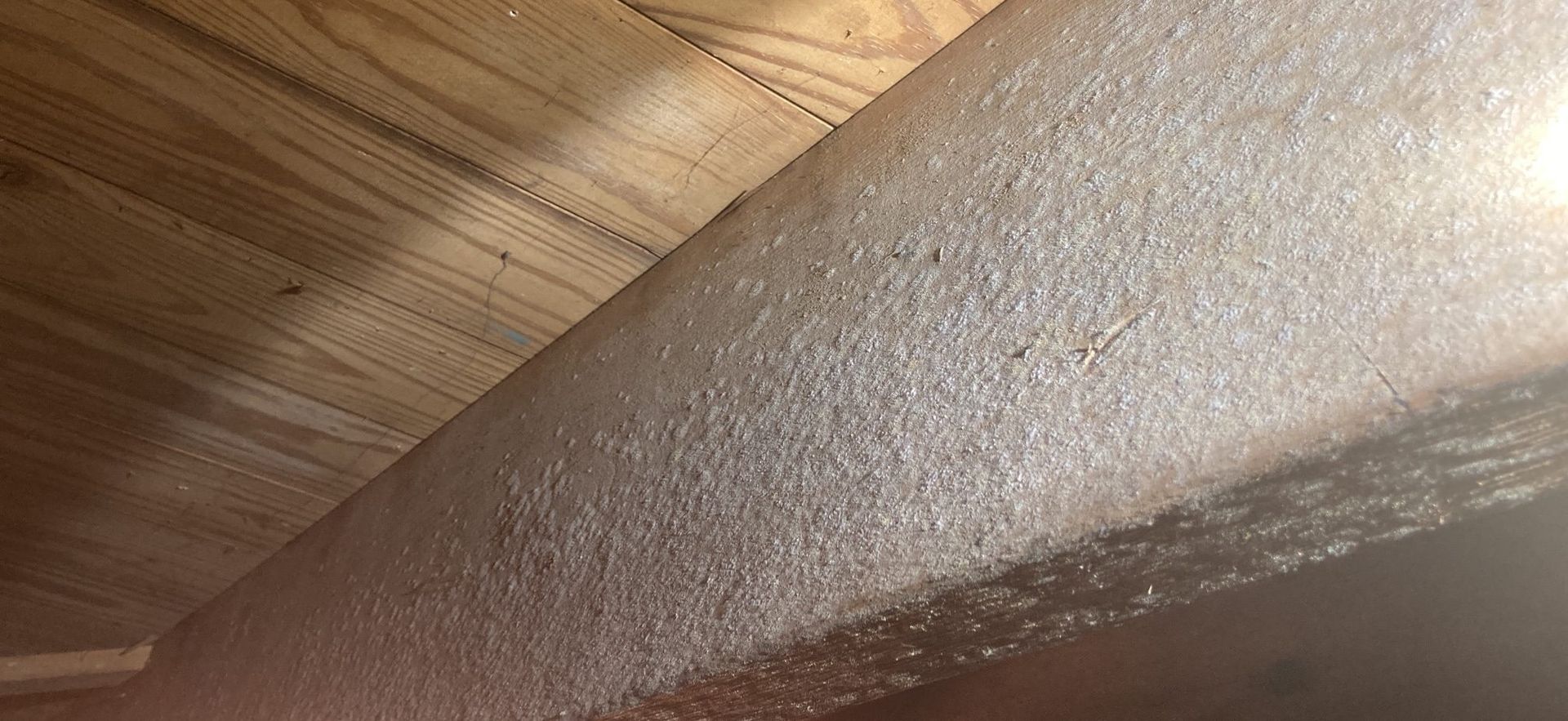
Understanding Mold Encapsulation Challenges in Merritt Island in Older Florida Homes
Older homes in Merritt Island have history.
Many were built decades ago, long before modern moisture control standards became common practice. You’ll find original crawl space designs, minimal vapor barriers, aging roof systems, and ductwork running through hot, humid attics. Add waterfront exposure near the Indian River Lagoon or Sykes Creek, and moisture becomes a constant factor.
When mold develops in these structures, mold encapsulation is sometimes recommended as part of the remediation process.
But in older Florida homes, encapsulation comes with specific challenges that must be understood before moving forward.
What Mold Encapsulation Actually Involves
Mold encapsulation is the application of a protective coating over structural materials after mold remediation has been completed.
The coating is designed to:
• Seal porous wood surfaces
• Reduce future microbial attachment
• Stabilize cleaned framing
• Add a moisture-resistant barrier
• Protect against recurring humidity exposure
Encapsulation is not a substitute for mold removal.
It only becomes appropriate after:
• Active growth is addressed
• Contaminated materials are removed
• Structural drying is completed
• Moisture sources are corrected
In older homes especially, skipping any of these steps creates long-term problems.
Why Older Homes in Merritt Island Are More Vulnerable
Homes built in the 1960s, 70s, and 80s often lack modern moisture defenses.
Common conditions in older Merritt Island homes include:
• Vented crawl spaces without full vapor barriers
• Minimal attic ventilation
• Aging roof flashing
• Original plumbing systems
• Outdated HVAC duct insulation
• Settled foundations
Combine that with waterfront humidity, and moisture exposure becomes continuous rather than occasional.
Over decades, repeated humidity cycles leave framing more susceptible to microbial growth.
Encapsulation may protect structural wood — but only if underlying moisture patterns are understood first.
Crawl Space Complications in Older Construction
Crawl spaces in older Merritt Island homes often present the biggest encapsulation challenge.
Many were designed with passive ventilation — small exterior vents intended to “air out” the space.
In Florida, outside air is frequently more humid than the crawl space air. During summer, vented crawl spaces actually allow warm, moist air to enter and condense on cooler framing.
Before encapsulation can be applied properly, the crawl space may require:
• Vapor barrier installation or replacement
• Drainage correction
• Structural drying
• Dehumidification setup
Applying encapsulation over framing in a still-humid crawl space traps moisture and accelerates deterioration beneath the coating.
Moisture control must come first.
Salt Air Exposure and Aging Wood
Merritt Island’s proximity to water introduces another factor — salt.
Salt-laden air moves through attics, crawl spaces, and wall cavities during storms and humid weather. Over time, salt accelerates corrosion of fasteners and can contribute to surface degradation of untreated wood.
In older homes where framing has already experienced decades of exposure, surface staining may appear extensive.
Encapsulation can help protect aging wood from further exposure — but structural integrity must be confirmed first.
If rot or severe deterioration exists, encapsulation is not the solution.
Inspection determines suitability.
Attic Spaces and Historic Roof Leaks
Older roof systems in Merritt Island homes often show wear after years of storms.
Minor leaks may have occurred repeatedly without obvious interior staining.
Attic framing may show:
• Surface mold growth
• Dark staining
• Elevated moisture content
• Compromised insulation
Encapsulation in attic spaces can help protect cleaned trusses and decking from ongoing humidity exposure — but only after roof vulnerabilities are repaired and moisture levels are stabilized.
Encapsulating active leaks traps damage.
That’s one of the most common mistakes in older homes.
The Moisture Source Identification Challenge
In older homes, moisture sources are often layered.
A property might have:
• Minor roof seepage
• Crawl space humidity
• Slab vapor transmission
• AC condensation buildup
• Plumbing line deterioration
If encapsulation is applied without identifying all contributing moisture sources, recurrence is likely.
Companies like Inspections and More FL focus on moisture mapping before recommending encapsulation in older Merritt Island properties.
Without a clear diagnosis, encapsulation becomes cosmetic rather than protective.
When Encapsulation Is Truly Necessary
Encapsulation becomes appropriate in older Merritt Island homes when:
• Structural wood has experienced prior mold growth
• Framing is structurally sound but porous
• Humidity levels are stabilized
• Moisture sources have been corrected
• Long-term humidity exposure is expected
Waterfront conditions mean moisture pressure won’t disappear entirely.
Encapsulation provides added protection against future humidity cycles.
It strengthens surfaces that have already experienced stress.
Why DIY Encapsulation Fails
Some homeowners attempt to apply sealants or paint over mold staining without professional remediation.
Common issues include:
• Applying coatings over damp wood
• Failing to remove contaminated insulation
• Ignoring hidden moisture
• Skipping moisture testing
In Florida’s humid climate, sealing damp wood locks moisture inside.
That can accelerate wood decay beneath the surface.
Proper encapsulation requires verification of dryness before application.
Long-Term Protection in Older Homes
Encapsulation works best when paired with broader moisture management strategies, such as:
• Crawl space encapsulation systems
• Dehumidifiers
• Improved attic ventilation
• Sealing exterior penetrations
• Routine post-storm inspections
• HVAC maintenance
Older homes benefit from layered protection.
Encapsulation is one piece of a larger moisture control system.
Why Local Experience Matters in Merritt Island
Moisture behavior in older waterfront homes differs from newer inland construction.
Understanding:
• Historic building methods common in Merritt Island
• Typical crawl space configurations
• Seasonal humidity fluctuations
• Coastal storm exposure patterns
• Salt air impact on aging materials
allows professionals to determine when encapsulation is protective — and when structural repair or further remediation is required.
Localized experience prevents both overuse and underuse of encapsulation.
It ensures the right solution is applied at the right time.
A Practical Next Step for Older Homes
If you own an older home in Merritt Island and have noticed past mold growth, crawl space humidity, or attic staining, it’s worth scheduling a thorough moisture evaluation.
Encapsulation can be a valuable protective measure — but only after proper remediation and drying.
Older Florida homes can last for generations when moisture is managed correctly.
Encapsulation protects structural surfaces when applied thoughtfully.
But in a coastal climate, it must be part of a carefully planned moisture control strategy — not a quick fix.
