
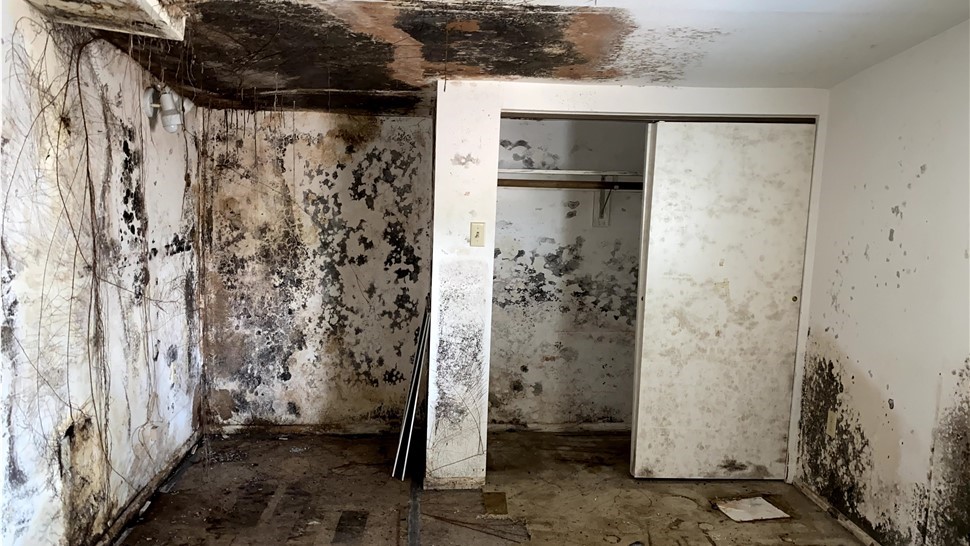
Understanding Mold Removal Challenges in Palm Bay After Plumbing Leaks
Plumbing leaks in Palm Bay rarely stay small.
What starts as a slow drip behind a bathroom wall or a minor supply line crack under the kitchen sink can quietly soak drywall, insulation, and subflooring for weeks before anyone notices. By the time staining appears or a musty odor develops, moisture has often spread far beyond the original leak.
In Florida’s humid climate, mold doesn’t need much encouragement.
After plumbing leaks in Palm Bay homes, mold removal becomes more complex than most homeowners expect. It’s not just about cleaning a visible patch. It’s about addressing hidden moisture pathways and preventing recurrence.
Why Plumbing Leaks Escalate Quickly in Palm Bay
Palm Bay experiences high year-round humidity, frequent storms, and elevated water tables during rainy seasons. Even indoor leaks are influenced by outdoor conditions.
When plumbing leaks occur:
• Drywall absorbs moisture rapidly
• Insulation traps dampness
• Wood framing swells
• Humidity rises indoors
Unlike drier climates, Florida homes don’t dry out naturally. Moisture lingers, and that delay creates an ideal environment for microbial growth.
Even a slow drip inside a wall cavity can lead to mold development within 24 to 48 hours.
The Hidden Spread Problem
One of the biggest mold removal challenges after plumbing leaks is hidden spread.
Water rarely stays in a neat circle around the leak.
It travels:
• Down wall studs
• Across subfloor seams
• Beneath cabinets
• Along baseboards
• Into adjacent rooms
In slab-built Palm Bay homes, moisture may also migrate across expansion joints and beneath flooring.
By the time a homeowner sees bubbling paint or warped trim, the affected area may extend several feet beyond the visible damage.
Mold removal must account for that full path — not just what’s obvious.
Bathroom and Kitchen Leak Complications
Common plumbing leak locations in Palm Bay homes include:
• Behind shower walls
• Under bathroom vanities
• Around toilet seals
• Beneath kitchen sinks
• Behind refrigerators with water lines
These areas contain porous materials and limited airflow.
Once wet, they dry slowly — especially in enclosed cabinet spaces.
Cabinet bases often hide saturated subflooring, allowing mold to develop beneath the surface.
Removal becomes challenging when materials appear intact but are compromised internally.
Slab Foundation and Subfloor Issues
Many Palm Bay homes sit on slab foundations.
When plumbing lines embedded in or beneath the slab develop leaks, moisture can seep upward through flooring materials.
Homeowners may notice:
• Warm spots on tile
• Warped laminate
• Musty odors without visible water
• Darkened grout lines
By the time flooring is removed, mold may have developed beneath underlayment or along adjacent framing.
Mold removal in slab-related leaks often requires coordinated structural drying to prevent recurrence.
The Timing Challenge
Plumbing leaks are often discovered late.
Tenants or homeowners may ignore minor signs at first:
• Slight discoloration
• A faint smell
• Soft drywall texture
Delays increase mold growth risk.
When removal begins weeks after the leak started, contamination may already be widespread.
Early detection reduces the scope of removal significantly.
Why DIY Mold Cleanup Often Fails
After discovering mold following a plumbing leak, homeowners may attempt surface cleaning.
Common mistakes include:
• Using bleach on drywall
• Painting over stained areas
• Running fans without containment
• Removing small sections without inspection
Bleach does not penetrate porous materials effectively. Painting over mold traps moisture inside walls.
Fans without containment can spread spores throughout the home.
Proper removal requires identifying the full moisture path first.
Guesswork creates repeat problems.
The Role of Professional Inspection
Effective mold removal after plumbing leaks begins with assessment.
A thorough inspection may include:
• Moisture meter readings inside walls
• Thermal imaging to trace hidden damp areas
• Subfloor testing
• HVAC evaluation
• Indoor humidity measurement
The goal is to determine:
• How far moisture traveled
• Whether framing is affected
• Whether insulation must be removed
• Whether adjacent rooms are impacted
Companies like Inspections and More FL approach plumbing leak cases methodically, ensuring both moisture correction and contamination removal are handled properly.
Skipping inspection increases the likelihood of incomplete cleanup.
Containment and Removal Challenges
Once mold growth is confirmed, proper containment is essential.
Without containment:
• Spores can spread into unaffected rooms
• HVAC systems may circulate contaminants
• Cross-contamination may occur
Containment typically involves sealing off affected areas before removal begins.
Damaged drywall, insulation, and porous materials must often be removed carefully.
Structural components are then cleaned and dried.
Rushing this stage often leads to hidden residual contamination.
The Humidity Factor in Palm Bay
Palm Bay’s humidity complicates mold removal.
Even after a plumbing leak is repaired, indoor humidity may remain elevated.
Without dehumidification:
• Framing may not dry completely
• Microbial growth may persist
• Odors may linger
Mold removal must include structural drying to safe moisture thresholds before rebuilding.
Humidity control afterward prevents recurrence.
HVAC System Considerations
Plumbing leaks inside walls can affect duct systems if moisture reaches adjacent areas.
If mold spores enter HVAC returns:
• Contaminants may circulate
• Air quality may decline
• Odors may spread
Inspection often includes reviewing duct integrity and air handler conditions.
Addressing air quality prevents lingering complaints after removal is complete.
Preventing Future Plumbing-Related Mold
Palm Bay homeowners can reduce mold risk by:
• Inspecting plumbing connections annually
• Replacing aging supply lines
• Checking beneath sinks regularly
• Monitoring indoor humidity
• Scheduling inspections after slab leak repairs
• Addressing small leaks immediately
Quick action after a plumbing issue significantly reduces mold removal scope.
Moisture left unattended rarely improves in Florida’s climate.
Why Local Experience Matters
Moisture behavior in Palm Bay differs from inland areas like Sanford or waterfront zones in Merritt Island.
Understanding:
• Slab foundation construction common in Palm Bay
• Seasonal water table changes
• Attic duct layouts
• Humidity cycles specific to Brevard County
helps professionals identify how plumbing leaks spread within these structures.
Localized experience prevents both under-removal and unnecessary demolition.
Accurate diagnosis reduces disruption.
A Practical Next Step
If your Palm Bay home has experienced a plumbing leak — even a small one — and you’ve noticed odors, staining, or elevated humidity, it’s wise to schedule an inspection.
Mold removal after plumbing leaks is rarely limited to the visible area.
Proper assessment, containment, and structural drying protect the integrity of your home and reduce recurrence risk.
In Florida’s humid climate, moisture problems don’t resolve quietly.
Addressing them correctly from the start prevents larger repairs down the road.
