Melbourne Homes Dealing with Thermal Imaging Inspections During Extreme Humidity — The Science Behind the Solution
Extreme humidity in Melbourne doesn’t just make the air feel heavy. It changes how moisture behaves inside your home.
During peak summer months and storm season along Florida’s east coast, indoor environments become moisture-sensitive systems. Walls, ceilings, flooring, insulation — they all react to prolonged humidity exposure.
The challenge? Most of that moisture isn’t visible.
That’s where thermal imaging inspections come in. Not as a gadget or trend — but as a science-based detection tool designed to identify hidden moisture patterns before structural damage develops.
Let’s take a closer look at why thermal imaging becomes especially valuable in Melbourne homes during extreme humidity, and the science behind how it works.
Why Extreme Humidity Creates Hidden Moisture Problems
Melbourne’s coastal location exposes homes to:
- Constant ocean-influenced humidity
- Heavy rain cycles
- High attic heat
- Continuous AC operation
- Salt air exposure
When outdoor humidity remains high for extended periods, indoor materials absorb moisture from the air. Even without an obvious leak, water vapor can infiltrate:
- Drywall
- Insulation
- Wood framing
- Subfloors
- Slab foundations
Because slab foundation homes are common in Melbourne, airflow beneath structures is limited. Moisture tends to remain trapped inside walls and flooring layers.
The problem isn’t always liquid water. It’s elevated moisture content within building materials.
The Science of Thermal Imaging
Thermal imaging uses infrared technology to detect temperature differences on surfaces.
Every material emits infrared energy. When moisture is present inside a surface, it affects how that surface stores and releases heat.
Here’s the science:
- Wet materials retain heat differently than dry materials.
- Evaporation cools damp surfaces.
- Moisture creates subtle temperature variations.
Thermal cameras detect these variations and display them as color contrasts.
In extreme humidity conditions, these differences become more pronounced — making detection more accurate.
It’s not guessing. It’s physics.
Why Extreme Humidity Makes Thermal Imaging More Important
During extreme humidity in Melbourne, moisture may:
- Accumulate behind exterior-facing walls
- Form inside attic insulation
- Condense along ductwork
- Collect beneath flooring
- Increase slab vapor pressure
Without visible staining or warping, homeowners often assume everything is fine.
But humidity-driven moisture intrusion can develop silently.
Thermal imaging identifies temperature irregularities that suggest hidden dampness — even before visible damage appears.
That early detection prevents more extensive remediation later.
Common Areas Where Inspections Reveal Moisture
In Melbourne homes during high-humidity periods, thermal imaging frequently uncovers:
- Cooler patches behind drywall
- Damp insulation near rooflines
- Elevated moisture around window frames
- Temperature differences along slab edges
- Condensation patterns near HVAC returns
- Moisture accumulation in attic decking
These patterns are not random. They reflect airflow dynamics and environmental exposure specific to Florida’s climate.
Why Visual Inspection Alone Isn’t Enough
Visual inspections detect surface-level symptoms:
- Ceiling stains
- Warped flooring
- Bubbling paint
- Visible mold growth
But by the time these appear, moisture has already been present for days or weeks.
Thermal imaging allows professionals to see beneath the surface — without cutting into walls unnecessarily.
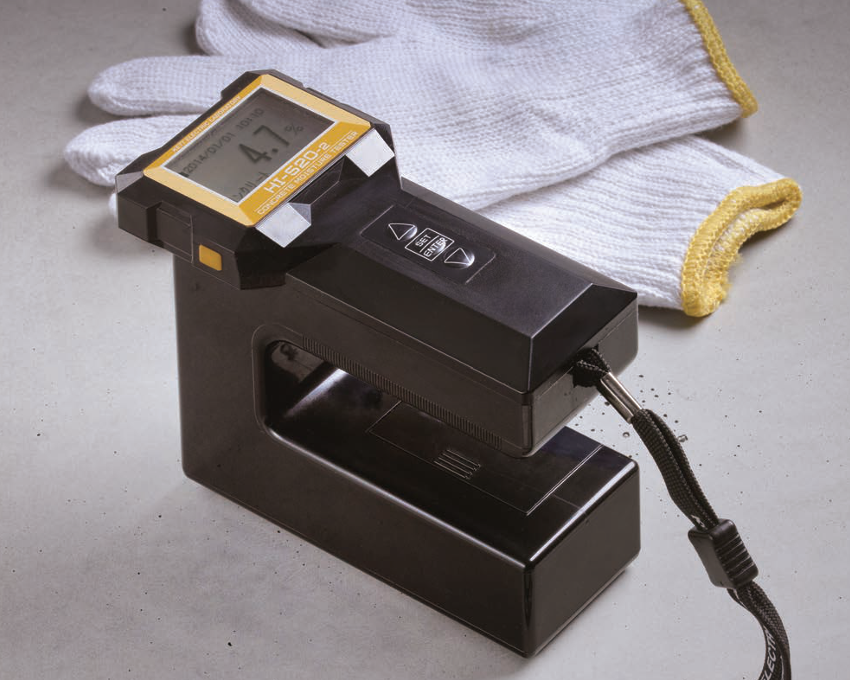
Moisture meters then confirm elevated readings in identified areas.
Together, these tools provide a non-invasive yet highly accurate evaluation.
At Inspections and More FL, humidity-related inspections in Melbourne often reveal damp zones homeowners were unaware of. Early identification limits structural impact.
The Role of HVAC Systems During Extreme Humidity
In Melbourne homes, AC systems run continuously during peak humidity.
This creates temperature differences between cooled interior surfaces and humid outdoor air.
When warm moist air meets cooler interior materials, condensation can form inside wall cavities and around ductwork.
Thermal imaging captures these condensation patterns before visible damage occurs.
It helps distinguish between:
- Harmless temperature shifts
- Active moisture intrusion
- Ongoing condensation issues
Understanding that difference is critical.
What Happens If Humidity-Driven Moisture Is Ignored
If elevated moisture levels remain untreated in Florida’s climate:
- Insulation loses efficiency
- Framing may weaken
- Flooring adhesives can fail
- Indoor air quality may decline
- Mold growth can begin within 24–48 hours
Because humidity in Melbourne can persist for weeks, small moisture issues compound quickly.
Thermal imaging inspections provide a preventative approach — not just a reactive one.
The Full Inspection Process During High Humidity
When evaluating Melbourne homes during extreme humidity, inspections typically include:
- Visual assessment
- Thermal imaging scan
- Moisture meter testing
- Attic and roofline inspection
- Slab foundation evaluation
- Indoor humidity measurement
Thermal imaging identifies suspect areas. Moisture meters confirm actual moisture content. Together, they create a complete picture.
If elevated moisture is detected, targeted drying or ventilation corrections can be implemented before contamination develops.
Prevention Strategies for Coastal Florida Homes
Melbourne homeowners can reduce humidity-related risks by:
- Maintaining AC systems regularly
- Inspecting attic ventilation
- Monitoring indoor humidity levels
- Ensuring proper exterior drainage
- Scheduling inspections after prolonged humid periods
- Checking around windows and doors for seal integrity
Moisture control in coastal Florida requires consistency.
Extreme humidity is predictable. Hidden damage doesn’t have to be.
Why Local Expertise Matters
Thermal imaging interpretation depends on environmental understanding.
Florida’s climate produces temperature patterns that differ from dry regions.
Professionals familiar with Melbourne understand:
- How slab foundations retain vapor
- How attic heat affects wall cavities
- How coastal air influences moisture behavior
- How seasonal humidity cycles impact structures
Interpreting infrared scans without this context can lead to misdiagnosis.
Inspections and More FL applies Florida-specific knowledge when evaluating homes during extreme humidity. That localized understanding ensures accurate detection and appropriate recommendations.
The Science-Based Way to Protect Your Home
Extreme humidity in Melbourne is normal. Hidden moisture damage doesn’t have to be.
Thermal imaging inspections rely on physics — temperature variation, evaporation cooling, and infrared energy — to identify moisture beneath surfaces.
By detecting problems early, homeowners can correct humidity-driven issues before they become larger structural or mold concerns.
If your home feels unusually humid, if odors linger, or if you’ve experienced extended rainy conditions, a professional thermal imaging evaluation provides clarity about what may be happening behind your walls.
In Florida’s climate, understanding the science behind moisture detection is one of the smartest ways to protect your property long-term.