
Merritt Island Homes Dealing With Anti-Microbial Fogging in Rental Properties — Long-Term Protection Strategies
Rental properties in Merritt Island face a different kind of moisture pressure.
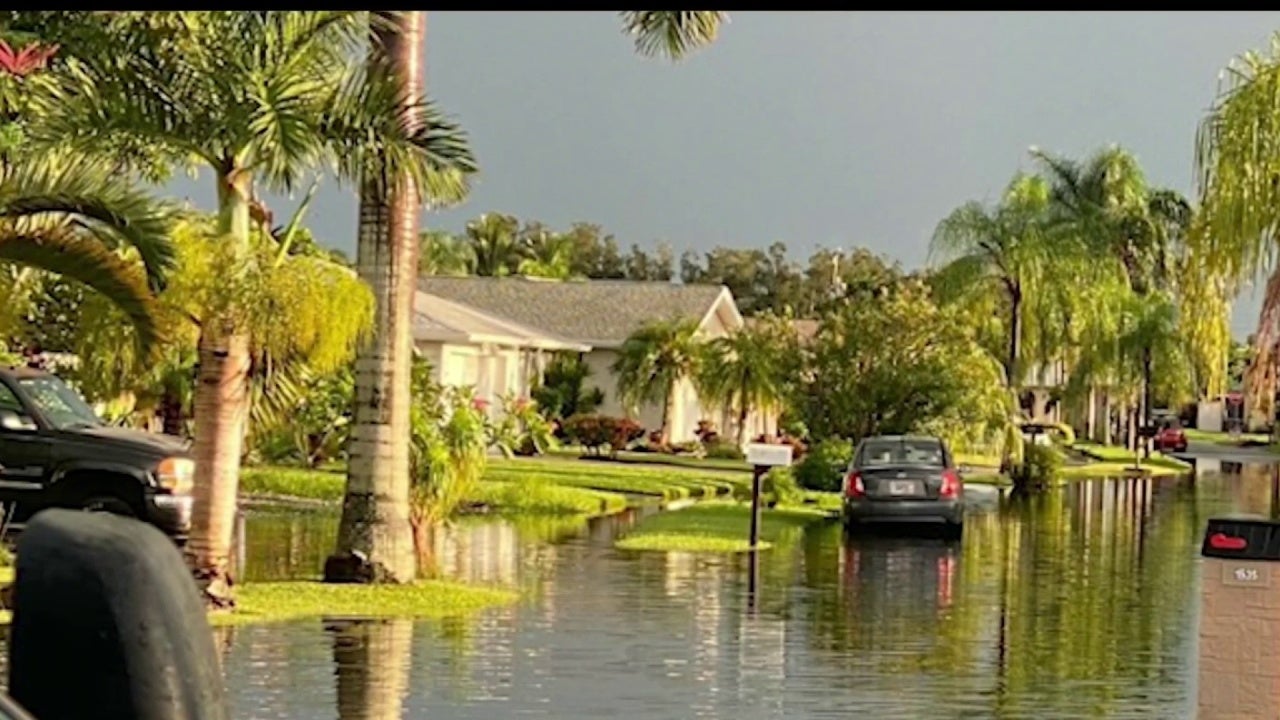
Between coastal humidity, salt-laden air, heavy storm seasons, and changing tenant habits, maintaining consistent indoor conditions can be challenging. When hidden water intrusion or elevated humidity leads to microbial growth, anti-microbial fogging is sometimes used as part of the recovery process.
But fogging alone is not a long-term solution.
For rental property owners in Merritt Island, real protection comes from pairing fogging with consistent moisture control strategies that match the coastal environment.
Why Rental Properties in Merritt Island Are More Vulnerable
Merritt Island sits between waterways, which means moisture is constant.
Rental homes here experience:
• High year-round humidity
• Wind-driven rain during storm season
• Elevated groundwater levels
• Salt air accelerating material wear
• Warm temperatures that slow drying
Add tenant turnover and varying HVAC usage, and moisture levels can fluctuate dramatically.
When humidity rises or small leaks go unreported, microbial growth can develop behind walls, under flooring, or inside crawl spaces.
Fogging may help stabilize surfaces — but prevention requires a broader plan.
What Anti-Microbial Fogging Actually Does
Anti-microbial fogging disperses a fine mist of treatment solution across exposed surfaces inside contained areas.
It is typically used:
• After mold remediation
• Following structural drying
• In crawl spaces after cleaning
• To address lingering odors
Fogging treats surfaces.
It does not remove contaminated materials.
It does not fix moisture sources.
And it does not prevent future water intrusion.
Understanding those limitations is key to long-term protection.
Strategy #1: Always Correct the Moisture Source First
In Merritt Island rental properties, fogging should never be the first response.
Before any surface treatment:
• Roof leaks must be repaired
• Plumbing issues must be fixed
• Crawl space humidity must be stabilized
• Slab moisture must be evaluated
• HVAC condensate lines must be cleared
Without source correction, microbial growth will return — especially in Florida’s humid climate.
Companies like Inspections and More FL prioritize moisture mapping before recommending fogging.
Sequence matters.
Strategy #2: Stabilize Indoor Humidity
Coastal rental properties often experience inconsistent thermostat settings.
Tenants may:
• Raise temperatures during the day
• Turn off AC while away
• Use window units inconsistently
These patterns can increase indoor relative humidity.
Long-term protection strategies should include:
• Regular HVAC maintenance
• Drain line inspections
• Dedicated dehumidification where necessary
• Monitoring indoor humidity levels
Keeping relative humidity below 60% reduces the likelihood of recurrence.
Fogging works best in stable environments.
Strategy #3: Inspect Crawl Spaces Regularly
Many Merritt Island homes have crawl spaces, and coastal groundwater levels fluctuate seasonally.
After storms:
• Soil remains saturated
• Humidity rises beneath the home
• Framing absorbs moisture
If crawl spaces remain damp, indoor air quality will be affected — regardless of fogging inside living areas.
Long-term protection includes:
• Vapor barrier inspection
• Crawl space dehumidification
• Subfloor moisture monitoring
• Duct insulation evaluation
Ignoring the crawl space often leads to repeat issues.
Strategy #4: Post-Storm Evaluations
Storm season is predictable in Merritt Island.
After heavy rain or tropical systems, rental properties should be evaluated for hidden intrusion.
Early inspection may include:
• Attic moisture checks
• Roof penetration review
• Slab moisture testing
• Wall cavity evaluation
Detecting moisture early prevents widespread contamination.
Fogging should be reserved for confirmed surface-level stabilization after drying — not as a routine storm response.
Strategy #5: Address Slab and Flooring Moisture
Many rental homes are slab-built.
After prolonged rain, vapor transmission through concrete may affect:
• Flooring adhesives
• Lower drywall sections
• Cabinet bases
If flooring traps moisture, humidity rises inside the unit.
Long-term protection may involve slab moisture testing before installing new flooring.
Fogging will not prevent slab-related vapor issues.
Moisture control must come first.
Strategy #6: Coordinate with Tenants
Rental properties require communication.
Tenants should be encouraged to report:
• Musty odors
• Ceiling staining
• Dripping from vents
• Soft flooring areas
Quick response limits structural impact.
Delays increase the need for extensive remediation.
Property managers who respond early reduce both repair costs and tenant dissatisfaction.
Why Timing Matters in Florida’s Climate
In Merritt Island’s warm coastal environment, microbial growth can begin within 24 to 48 hours on damp materials.
If moisture remains untreated:
• Odors intensify
• Contamination spreads
• Containment zones expand
• Remediation costs rise
Fogging is most effective when applied after drying — not weeks after a leak.
Early intervention protects structural components.
Why Local Experience Matters
Moisture behavior in Merritt Island differs from inland Sanford or even nearby Palm Bay.
Coastal wind direction, salt exposure, and groundwater fluctuations influence how water enters and spreads.
Professionals familiar with:
• Local rental construction patterns
• Common roofing systems
• Crawl space configurations
• Slab foundation behavior
can design long-term protection strategies tailored to the region.
Localized knowledge prevents over-treatment while ensuring moisture issues are fully resolved.
A Practical Approach to Long-Term Protection
For Merritt Island rental properties, anti-microbial fogging should be viewed as one part of a structured moisture management plan.
It protects surfaces after contamination has been addressed.
But lasting protection comes from:
• Source repair
• Humidity stabilization
• Routine inspections
• Post-storm evaluations
• Crawl space management
Coastal living means moisture is always present.
With proactive oversight, rental properties can remain stable, comfortable, and protected year-round.
Handled correctly, fogging supports recovery.
Long-term protection comes from controlling moisture — not just treating surfaces.
