
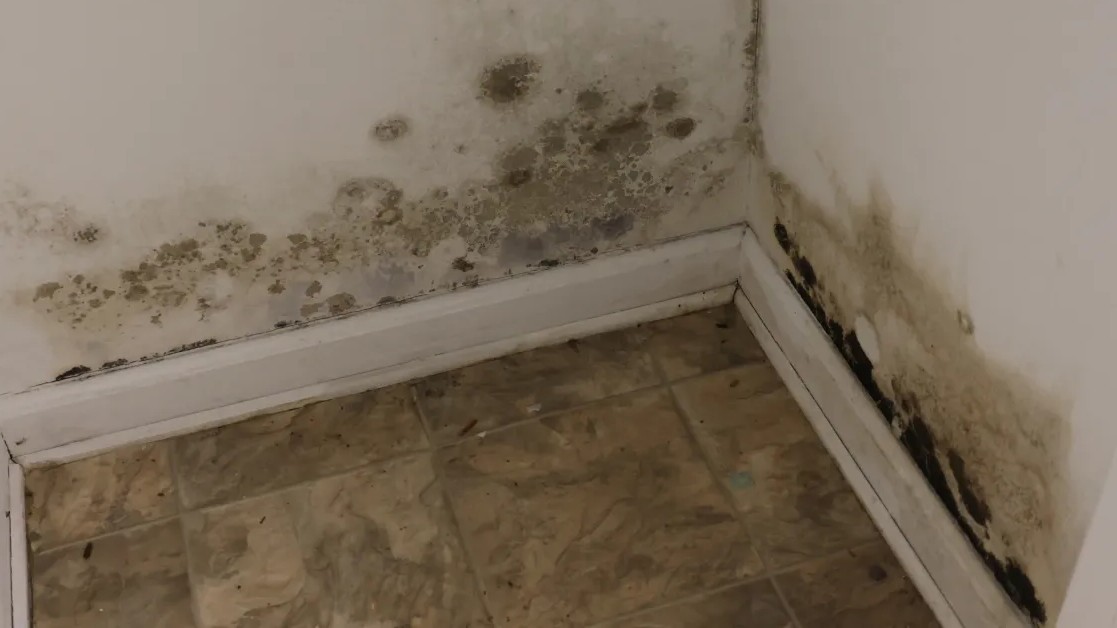
Mold Removal in Sanford in Coastal Properties: How Early Detection Saves Money
Sanford may sit slightly inland compared to Merritt Island or Cocoa, but coastal moisture patterns still impact homes throughout the area. Between heavy seasonal rains, humid air, and long AC cycles, properties in Sanford and surrounding Central Florida communities face steady moisture pressure year-round.
In many cases, mold doesn’t start with a dramatic flood. It starts with something small — a slow roof leak, a sweating duct, a minor plumbing drip. Left unchecked, that hidden moisture quietly turns into a bigger problem.
The good news? Early detection changes everything.
When mold issues are identified early, removal is simpler, structural damage is minimized, and overall costs are significantly lower. Let’s walk through why that matters — especially in Sanford’s climate.
Why Coastal Moisture Patterns Still Affect Sanford Homes
Even though Sanford is not directly on the shoreline like Melbourne or Merritt Island, it still experiences the same Florida humidity cycle.
Several local conditions contribute to mold risks:
High year-round humidity
Moisture lingers in building materials longer than homeowners expect.
Frequent storms and summer downpours
Heavy rains create roof and window vulnerabilities.
Long AC usage periods
Air conditioning runs most of the year, increasing condensation risk.
Older construction styles
Many Sanford homes were built decades ago with insulation and ventilation standards that differ from today.
Slab foundations
High groundwater levels can contribute to moisture migration near slab edges.
Moisture doesn’t need to be dramatic to create mold conditions. It just needs time.
What Early-Stage Mold Problems Typically Look Like
In early stages, mold problems are subtle.
Homeowners in Sanford often notice:
- A faint musty smell in one room
- Minor paint bubbling near baseboards
- Slight discoloration near vents
- A damp feeling in closets
- Ceiling spots that never fully dry
- Elevated indoor humidity readings
These early indicators often mean moisture is active behind walls or under flooring — but structural damage hasn’t spread far yet.
Catching the issue here makes remediation much more manageable.
What Happens When Mold Goes Undetected
When hidden moisture continues unchecked, the impact grows.
Drywall absorbs water and softens.
Insulation compresses and loses effectiveness.
Wood framing can remain damp for extended periods.
Flooring materials may warp or separate.
The longer moisture sits, the more material removal is required later.
Instead of removing a small drywall section, entire walls may need replacement.
Instead of treating one room, multiple areas become involved.
That’s where costs increase.
The Financial Difference: Early Detection vs. Delayed Response
Early detection typically means:
- Smaller affected areas
- Less demolition
- Shorter drying times
- Fewer containment zones
- Lower equipment rental durations
When mold is caught quickly, remediation often focuses on a defined section.
When it’s delayed, remediation becomes more extensive, labor increases, and reconstruction costs rise.
In Florida’s humidity, waiting rarely improves the situation.
Common Hidden Sources in Sanford Coastal-Influenced Homes
In Sanford properties, mold from hidden moisture often originates from:
- Roof flashing failures after storms
- Window seal breakdowns
- AC drain line clogs
- Condensation on uninsulated ducts
- Minor plumbing leaks inside walls
- Shower pan leaks in older bathrooms
- Slab edge moisture migration
Because these sources are often concealed, professional moisture detection plays a key role in early identification.
How Professional Early Detection Works
Early detection isn’t guesswork. It’s systematic.
A proper evaluation includes:
Visual inspection
Identifying staining, swelling, and material deterioration.
Moisture meter readings
Checking drywall, flooring, and framing moisture levels.
Thermal imaging
Detecting temperature variations that suggest hidden dampness.
Humidity measurement
Confirming whether indoor moisture levels are elevated.
Source tracing
Determining how water is entering and how long it has likely been active.
Companies like Inspections and More FL focus first on locating the moisture source — because mold removal without source correction is temporary.
Step-by-Step: What Mold Removal Looks Like When Caught Early
When mold is detected early, the process is often streamlined.
1. Correct the Moisture Source
Roof repair, plumbing correction, AC maintenance, or window resealing.
Stopping water intrusion comes first.
2. Establish Containment
If necessary, small containment zones are created to isolate the affected area.
Early-stage issues usually require minimal containment.
3. Remove Limited Damaged Materials
Often, only small drywall sections or insulation areas need removal.
The structural framing may remain intact if caught quickly.
4. Clean and HEPA Vacuum
Exposed surfaces are cleaned and vacuumed to remove contamination.
5. Controlled Drying
Dehumidifiers and air movers operate for a shorter duration when the affected area is small.
Moisture readings confirm completion.
6. Optional Anti-Microbial Treatment
In some cases, treatment may be applied to cleaned surfaces as an added measure.
Because the affected footprint is limited, restoration becomes faster and more affordable.
Why Humidity Makes Early Detection Critical in Florida
In dry climates, materials may dry naturally.
In Sanford and surrounding Florida communities, humidity slows that process significantly.
Moisture that lingers even slightly can:
- Sustain mold growth
- Spread within wall cavities
- Travel along framing members
- Affect adjacent rooms
Early detection limits how far moisture spreads.
That directly limits repair scope.
Preventative Measures That Save Money Long-Term
Homeowners can reduce risk by:
- Monitoring indoor humidity levels
- Servicing AC systems annually
- Inspecting roof and flashing after storms
- Checking attic insulation for dampness
- Ensuring bathroom exhaust fans function properly
- Inspecting windows and sliding doors for seal integrity
- Scheduling periodic moisture evaluations
Small checks prevent larger repairs.
Why Local Experience Makes Detection More Accurate
Florida properties behave differently than homes in drier regions.
Local professionals understand:
- How coastal humidity interacts with slab foundations
- How long materials take to dry in humid air
- How storm patterns affect roof systems
- Which construction styles are prone to condensation
- How AC systems contribute to hidden moisture
That knowledge shortens diagnosis time and improves remediation precision.
In Sanford and nearby areas, experience with Florida’s climate allows quicker identification and less unnecessary demolition.
A Practical Approach for Sanford Homeowners
If you notice even mild musty odors, subtle staining, or persistent humidity in one area of your home, don’t ignore it.
Mold removal becomes more complex and more expensive the longer moisture remains active.
Early detection keeps remediation targeted and controlled.
In Florida’s climate, moisture problems rarely resolve on their own. But when caught early, they’re far easier — and more affordable — to manage.
