
How Dehumidification Protects Properties in Palm Bay Behind Interior Walls
In Palm Bay, moisture problems don’t always show up as puddles on the floor. More often, they build quietly inside walls.
A minor plumbing drip. An AC drain line that overflowed for a few hours. Wind-driven rain during a storm. Even prolonged extreme humidity. Once moisture enters a wall cavity, it becomes trapped in a space with limited airflow.
In Florida’s climate, that’s where trouble begins.
Dehumidification isn’t just about comfort. When used properly, it protects the structure of your property — especially behind interior walls where moisture can linger unseen.
Let’s take a closer look at how dehumidification works and why it’s so important in Palm Bay.
Why Interior Walls Hold Moisture Longer in Florida
Interior walls are enclosed systems made up of:
- Drywall
- Insulation
- Wood or metal studs
- Electrical and plumbing lines
When moisture gets inside, natural drying is slow. In Palm Bay’s high humidity, evaporation is even slower.
Unlike dry climates where materials may release moisture on their own, Florida air often stays saturated. That means moisture trapped behind walls remains longer — sometimes for days or weeks — unless actively dried.
That prolonged dampness is what increases risk.
How Moisture Gets Behind Interior Walls
In Palm Bay homes and commercial properties, common sources include:
AC condensation issues
Drain line clogs and sweating ducts can release water into wall cavities.
Plumbing leaks
Small supply-line leaks inside walls often go unnoticed.
Storm-driven rain
Water can enter around windows and travel into framing.
Roof leaks
Water can move downward through framing before appearing.
Extreme humidity
Extended high humidity can cause materials to absorb moisture.
Because the source is often hidden, moisture detection usually comes before drying.
Early Signs There May Be Moisture Behind the Wall
Homeowners may notice:
- Bubbling paint
- Soft drywall near baseboards
- Musty odors
- Warped trim
- Slight discoloration in corners
- One room feeling more humid than others
By the time these signs appear, moisture has likely been present for some time.
Quick response limits structural impact.
What Dehumidification Actually Does
Dehumidification removes moisture from the air.
That sounds simple, but here’s why it matters:
As air movers circulate air inside a room or wall cavity, moisture evaporates from wet materials into the air. The dehumidifier captures that moisture and removes it from the environment.
Without dehumidification, evaporated moisture would remain in the air and potentially reabsorb into materials.
In Palm Bay’s humidity, this cycle is especially important.
Step-by-Step: How Dehumidification Protects Wall Cavities
Step 1: Moisture Mapping
Before equipment is placed, technicians identify:
- How far moisture has traveled
- Which wall cavities are affected
- Whether insulation is saturated
- Whether mold is present
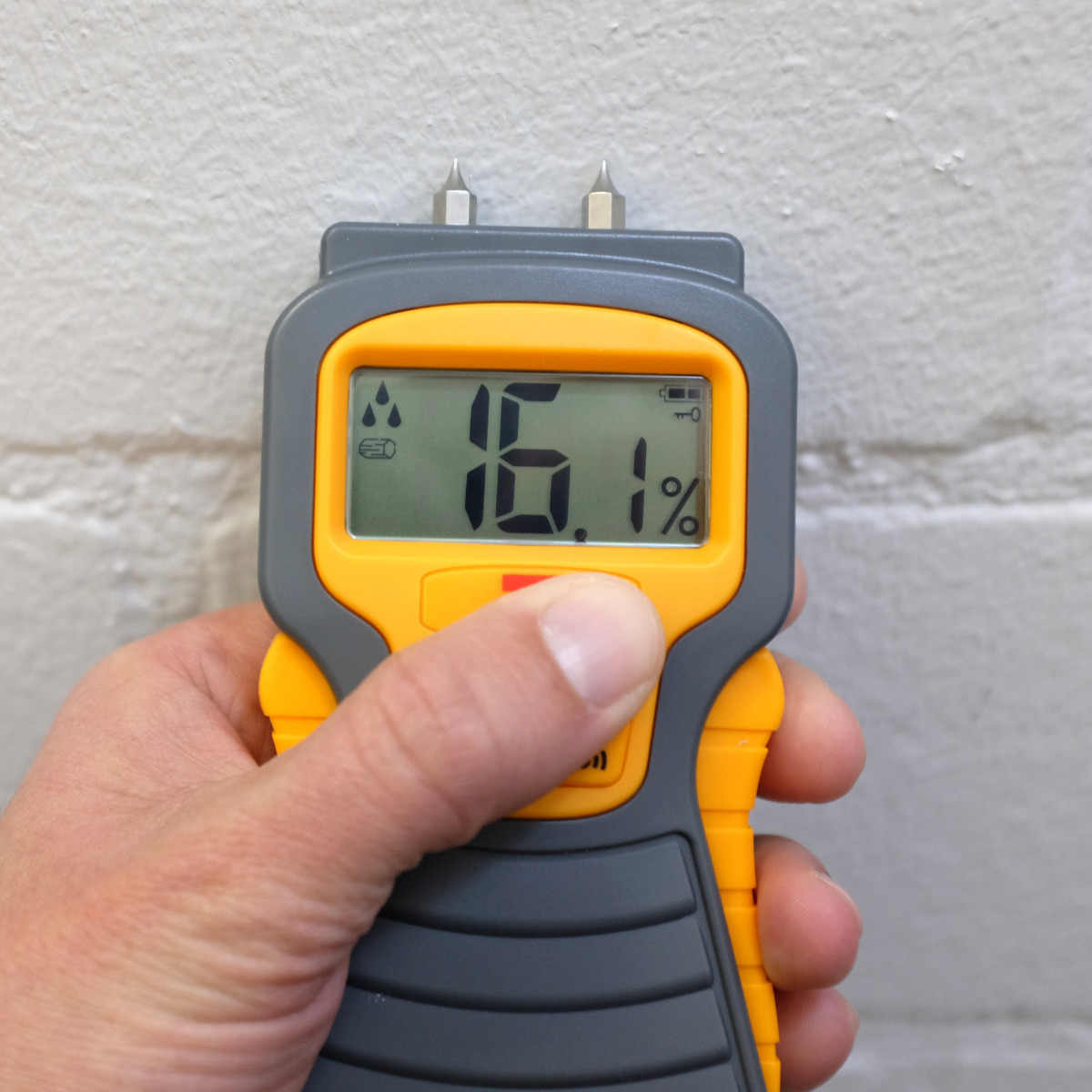
Moisture meters and thermal imaging help define the footprint.
Step 2: Correct the Moisture Source
Drying without stopping the source is ineffective.
This may include:
- Repairing plumbing
- Clearing AC drain lines
- Sealing windows
- Addressing roof issues
Source correction always comes first.
Step 3: Create Access for Airflow
Small holes may be drilled near baseboards to allow airflow into the cavity.
In some cases, specialized drying systems inject air directly behind drywall.
The goal is controlled airflow inside the wall.
Step 4: Strategic Dehumidifier Placement
Commercial-grade dehumidifiers are placed in the room.
Air movers increase evaporation from damp materials.
As moisture evaporates, the dehumidifier captures and removes it.
This process continues until moisture readings confirm acceptable levels.
Step 5: Monitoring and Adjustment
Moisture levels are checked daily.
Equipment may be repositioned to improve drying efficiency.
Drying is based on measurement — not just time.
In Palm Bay’s climate, monitoring ensures drying is complete.
Why Dehumidification Matters More in Palm Bay
Palm Bay properties face several environmental challenges:
High outdoor humidity
Outside air cannot be relied on for drying.
Long AC operating seasons
Condensation events are frequent.
Slab foundations
Moisture can migrate upward near wall bases.
Storm cycles
Repeated rain events increase saturation risk.
Because of these factors, natural drying is unreliable. Controlled dehumidification provides stability.
How Dehumidification Prevents Mold Growth
Mold requires moisture to grow.
By removing moisture quickly:
- Materials dry before mold establishes
- Damp insulation doesn’t remain wet
- Framing stays structurally sound
- Odor development is minimized
- Larger remediation efforts are avoided
In many Palm Bay cases, early dehumidification prevents mold from developing at all.
Companies like Inspections and More FL focus on moisture detection first so that drying efforts are targeted and effective.
When Dehumidification Alone Isn’t Enough
If moisture has been present for an extended period:
- Insulation may require removal
- Drywall sections may need replacement
- HEPA cleaning may be necessary
Dehumidification supports remediation but cannot reverse material deterioration.
Early action reduces the need for demolition.
Preventing Hidden Wall Moisture in Palm Bay
Property owners can reduce risk by:
- Maintaining AC systems annually
- Flushing drain lines regularly
- Monitoring indoor humidity
- Inspecting windows after storms
- Checking baseboards for swelling
- Scheduling routine moisture evaluations
Small maintenance steps protect interior walls from long-term moisture damage.
Why Local Experience Makes a Difference
Drying wall cavities in Palm Bay requires understanding Florida’s humidity patterns.
Local professionals know:
- How long materials take to dry in humid air
- How slab construction affects wall moisture
- How AC systems contribute to condensation
- How storm-driven rain travels through framing
- When insulation must be removed versus dried
That experience ensures drying is thorough and controlled — not rushed.
A Practical Next Step
If you suspect moisture behind interior walls — whether from AC condensation, plumbing issues, or storm intrusion — early evaluation makes a difference.
Dehumidification protects your structure by removing moisture before it causes mold or structural damage.
In Palm Bay’s climate, moisture doesn’t evaporate on its own. But with proper detection and controlled drying, interior walls can be protected long before major repairs are needed.
