
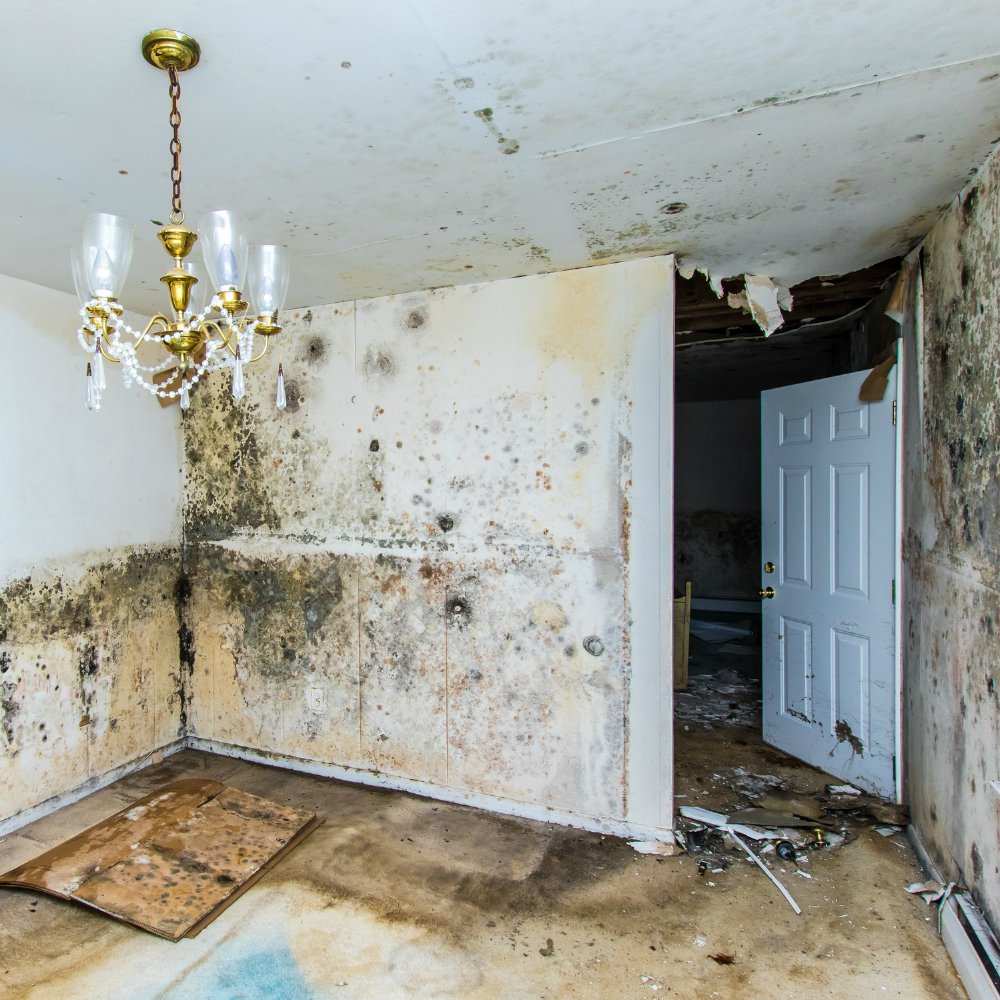
Why Mold Removal Becomes Necessary in Sanford in Older Florida Homes
If you own an older home in Sanford, you already know the charm comes with maintenance. Original wood trim. Solid construction. Established neighborhoods. But along with that character often comes something less welcome — recurring moisture issues.
In Central Florida, and especially in older homes, mold removal eventually becomes necessary not because of neglect, but because of how the homes were built and how Florida’s climate behaves.
Sanford may sit inland compared to coastal communities like Merritt Island or Cocoa, but humidity here is still intense. Combine that with aging materials, older ventilation systems, and long AC cycles, and you have a structure that’s constantly under moisture pressure.
Let’s break down why mold removal becomes necessary in older Sanford homes — and why the problem often isn’t as simple as it looks.
Older Construction Meets Florida Humidity
Many older Sanford homes were built decades ago under different building standards.
Common characteristics include:
- Limited vapor barriers beneath slabs
- Minimal attic insulation by today’s standards
- Older roofing systems
- Original plumbing lines
- Single-pane windows
- Ductwork with aging insulation
- Crawl spaces in certain neighborhoods
At the time, these systems worked fine. But Florida’s humidity has a long memory.
Over time, small inefficiencies allow moisture to build gradually.
Why Humidity Alone Can Trigger Mold Growth
A lot of homeowners think mold only appears after flooding or a major leak.
In Florida, that’s not always true.
Sanford experiences:
- Prolonged summer humidity
- Heavy rain seasons
- Warm nighttime temperatures
- Frequent AC operation
When indoor humidity remains elevated for extended periods, materials like drywall, wood framing, and insulation can absorb moisture from the air.
If moisture levels stay high long enough, mold growth becomes possible — even without visible water.
Common Moisture Sources in Older Sanford Homes
During inspections, several recurring sources are often uncovered.
1. Aging Plumbing Lines
Older copper or galvanized plumbing can develop slow leaks inside walls.
Small drips may remain unnoticed for months.
By the time staining appears, moisture has already spread behind drywall.
2. Roof Flashing Wear
Older flashing systems deteriorate over time.
Wind-driven rain can enter around chimneys, vents, and roof edges.
In humid conditions, roof decking may stay damp longer than expected.
3. AC Condensation Issues
Older duct systems often lack proper insulation.
Sweating ducts in hot attics can drip moisture onto insulation and ceiling drywall.
Clogged condensate drain lines are also common in aging systems.
4. Slab Moisture Migration
Many older homes lack modern moisture barriers beneath concrete slabs.
After heavy rain, moisture can migrate upward into baseboards and lower drywall sections.
Repeated swelling at the base of walls often signals this issue.
5. Window and Door Seal Failure
Original window frames may no longer seal tightly.
Wind-driven rain during storms can introduce small amounts of water into wall cavities.
Over time, repeated intrusion supports mold growth.
Early Warning Signs Homeowners Often Miss
Mold problems rarely start dramatically.
Older Sanford homeowners often notice:
- A faint musty odor in one room
- Bubbling paint near baseboards
- Soft drywall in isolated areas
- Slight discoloration on ceilings
- AC running longer than usual
- Increased indoor humidity
Because these signs are subtle, they’re often ignored — until the issue spreads.
Why Mold Removal Becomes Necessary
Mold removal becomes necessary when:
- Materials remain damp long enough to support growth
- Visible mold appears on drywall or framing
- Odors persist despite cleaning
- Moisture readings remain elevated
- Structural components show contamination
In older homes, moisture patterns often repeat seasonally.
Without proper remediation and moisture correction, mold returns.
Surface cleaning alone does not address hidden contamination behind walls or above ceilings.
The Role of Proper Inspection
Before mold removal begins, a thorough evaluation is critical.
This typically includes:
- Moisture meter testing
- Thermal imaging to locate hidden damp zones
- Attic inspection
- HVAC system evaluation
- Slab moisture checks
- Indoor humidity measurement
In older Sanford homes, thermal imaging often reveals moisture behind walls where no visible damage exists yet.
Identifying the moisture source prevents repeated remediation.
Companies like Inspections and More FL prioritize moisture detection before removal because long-term solutions require addressing the cause.
What Mold Removal Typically Involves
When mold is confirmed, the process follows a structured approach:
- Source correction
Roof repairs, plumbing fixes, AC adjustments, or sealing gaps. - Containment
Isolating affected areas to prevent cross-contamination. - Removal of compromised materials
Wet drywall or insulation may require replacement. - HEPA cleaning
Structural surfaces are cleaned thoroughly. - Controlled drying
Dehumidifiers and air movers restore acceptable moisture levels. - Final verification
Moisture readings confirm stability before rebuilding.
Skipping any of these steps increases the chance of recurrence.
Why Problems Keep Returning in Older Homes
Recurring mold issues often stem from:
- Incomplete moisture correction
- Poor ventilation
- Aging building materials
- Slab moisture not addressed
- AC systems not properly maintained
Older construction doesn’t mean failure — it means maintenance must be more intentional.
Florida humidity exploits small weaknesses over time.
Long-Term Protection Strategies for Sanford Homeowners
To reduce the need for repeated mold removal:
- Schedule annual AC maintenance
- Flush condensate drain lines regularly
- Inspect roofs after major storms
- Monitor indoor humidity levels
- Evaluate slab moisture if baseboards repeatedly swell
- Check attic insulation for dampness
- Address plumbing drips immediately
- Schedule periodic moisture evaluations
Preventative monitoring is far less disruptive than full remediation.
Why Local Experience Matters
Mold removal in Sanford requires understanding:
- How Central Florida humidity behaves seasonally
- How slab-on-grade foundations respond to heavy rain
- How older duct systems contribute to condensation
- How long materials take to dry in humid air
- Which neighborhoods are more flood-prone
Local experience allows faster diagnosis and more precise remediation.
A Practical Next Step
If you’re noticing musty odors, recurring drywall issues, or moisture-related symptoms in an older Sanford home, don’t assume it’s just age.
Humidity and time often combine to create hidden moisture problems that require structured removal and correction.
A professional moisture evaluation identifies the root cause and determines whether mold removal is necessary.
In Florida’s climate, early detection prevents small seasonal issues from becoming larger structural repairs.
