
After Heavy Rainstorms in Cocoa: A Closer Look at Air Scrubbing
Heavy rainstorms are part of everyday life in Cocoa. Between tropical systems, summer downpours, and coastal weather patterns pushing in from the Atlantic, Brevard County homes regularly experience intense moisture exposure.
Most homeowners focus on visible issues after a storm — roof leaks, pooling water, or damaged drywall. But what often goes unnoticed is what happens to the air inside the home after heavy rain.
That’s where air scrubbing becomes important.
If you live in Cocoa, Merritt Island, Palm Bay, or nearby coastal communities, understanding how air scrubbing works — and when it becomes necessary — can help protect your indoor environment after storm-related moisture events.
Let’s take a closer look at what happens inside homes after heavy rain and why air scrubbing sometimes plays a key role in recovery.
What Happens Inside a Cocoa Home After Heavy Rain
When a strong rainstorm hits Cocoa, humidity levels surge quickly. Even homes without obvious flooding can experience:
- Wind-driven rain entering attic vents
- Minor roof flashing leaks
- Moisture intrusion around windows
- Elevated indoor humidity
- AC systems running continuously
- Damp attic insulation
- Slight wall cavity moisture
You may not see standing water. Instead, building materials absorb excess humidity.
Drywall, insulation, framing lumber, and even flooring materials can retain moisture for days if conditions remain humid. In Florida’s climate, natural drying takes much longer than most homeowners expect.
As materials absorb moisture, microscopic particles can become airborne — especially when air circulates through damp areas like attics or HVAC systems.
That’s where air quality concerns begin.
What Air Scrubbing Actually Does
Air scrubbing is a professional air filtration process designed to remove airborne particles from indoor environments.
It uses restoration-grade HEPA filtration systems that capture extremely small particles, including:
- Mold spores
- Dust and debris
- Particulates released from damp materials
- Odor-causing contaminants
- Microscopic airborne particles
Unlike standard home air purifiers, commercial air scrubbers are built for post-water intrusion environments. They process large volumes of air continuously and cycle room air multiple times per hour.
After heavy rainstorms in Cocoa, air scrubbing is often used alongside structural drying to clean the air while moisture is being removed from building materials.
It’s not just about fresh-smelling air. It’s about improving indoor air quality during the recovery process.
Why Cocoa Homes Are Especially Vulnerable After Storms
Cocoa’s coastal location creates unique conditions that influence how homes respond to heavy rain.
Local factors include:
- Persistent year-round humidity
- Salt air exposure
- High water tables
- Warm attic temperatures
- Wind-driven rain during storms
- Slab foundation construction
When heavy rain combines with high humidity, materials inside the home struggle to dry naturally.
Even minor roof or window seepage can raise moisture levels inside wall cavities and attic insulation. Once those materials remain damp for 48–72 hours, airborne particulate levels can increase.
In many cases, homeowners don’t see visible mold growth. Instead, they notice air changes.
That’s often when air scrubbing becomes part of a responsible response.
Common Signs After Heavy Rainstorms
After a significant rain event in Cocoa, homeowners sometimes report:
- A lingering musty odor
- Indoor air feeling heavy or stale
- Increased allergy irritation
- AC running but home still feeling humid
- Subtle dust buildup
- Mild respiratory discomfort
Even if the storm damage seems minor, airborne particulates may circulate throughout the home.
When drying begins — especially if fans or AC systems are running — those particles can move from one area to another.
Air scrubbing helps control that movement.
Hidden Sources of Airborne Contamination
Storm-related air quality issues often originate from places homeowners rarely inspect.
Attic Spaces
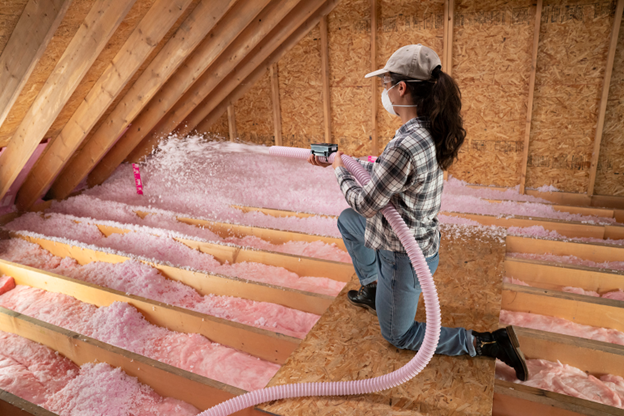
Wind-driven rain and high humidity can dampen insulation. Disturbed insulation releases particles into circulating air.
HVAC Systems
If ducts pass through humid attics or experience condensation, particulates may enter the air stream.
Wall Cavities
Small roof leaks may dampen framing without staining interior drywall.
Flooring Materials
Moisture beneath tile, laminate, or vinyl flooring can release particles as drying begins.
Utility Closets
Air handlers located inside closets can accumulate condensation after storm humidity spikes.
Because air continuously moves throughout a home, particulates rarely stay contained in one area.
Why Air Scrubbing Is Used During Drying
Air scrubbing does not replace moisture removal — it supports it.
After heavy rainstorms in Cocoa, professional restoration typically includes:
- Moisture detection
- Dehumidification
- Structural drying
- Air scrubbing
- Containment when necessary
As dehumidifiers remove moisture from materials, air scrubbers remove airborne contaminants at the same time.
This layered approach helps:
- Improve indoor air quality
- Prevent particulate spread
- Support safe drying conditions
- Reduce lingering odors
Without air scrubbing, drying equipment alone may circulate airborne particles throughout the home.
Together, they create a controlled recovery environment.
How Professional Air Scrubbing Works
A properly set up air scrubbing system includes:
HEPA Filtration Units
These machines capture particles as small as 0.3 microns.
Multi-Stage Filtration
Pre-filters trap larger debris before air reaches the HEPA filter.
Continuous Air Cycling
The equipment cycles the air multiple times per hour to gradually improve air quality.
Optional Negative Air Pressure
In certain cases, controlled negative pressure prevents contaminants from spreading to unaffected rooms.
Filters are monitored and replaced as needed to maintain performance.
When used appropriately, air scrubbing significantly improves indoor air conditions after moisture events.
Companies like Inspections and More FL incorporate air scrubbing when storm-related conditions justify it — particularly in Cocoa’s humid coastal climate.
Why Small Home Air Purifiers Are Not Enough
Many homeowners plug in a household air purifier after storms.
While helpful for general dust control, they are not designed for post-water intrusion environments.
Standard residential units:
- Process limited air volume
- Lack restoration-grade HEPA filtration
- Cannot manage large contamination loads
- Do not support structural drying
After heavy rain exposure in Cocoa, higher-capacity equipment is often required to properly address airborne particulates.
The Role of Dehumidification Alongside Air Scrubbing
Air scrubbing works best when humidity levels are controlled.
Professional dehumidification:
- Lowers indoor relative humidity
- Speeds structural drying
- Prevents further microbial growth
- Stabilizes building materials
In Cocoa’s climate, maintaining indoor humidity between 45%–55% is critical after a storm.
If humidity remains elevated, airborne particulates continue circulating longer than necessary.
Air scrubbing and dehumidification work together — one improves air quality, the other stabilizes the environment.
Preventing Post-Storm Air Quality Issues in Cocoa
While storms can’t be avoided, preparation reduces risk.
Inspect Roof Systems Regularly
Small flashing failures often go unnoticed until heavy rain hits.
Check Attics After Storms
Look for damp insulation or unusual odors.
Maintain HVAC Systems
Ensure ductwork is sealed and drain lines are clear.
Monitor Indoor Humidity
Use a digital hygrometer to track post-storm humidity spikes.
Act Quickly
The sooner drying begins, the lower the risk of airborne contamination.
In Cocoa’s humid climate, time is one of the most important factors.
Why Local Experience Matters
Storm recovery in Cocoa differs from recovery in dry regions.
Understanding:
- Coastal wind patterns
- Salt air corrosion
- Slab foundation moisture behavior
- Year-round AC use
- Florida humidity cycles
helps determine when air scrubbing is truly necessary.
Not every rainstorm requires it. But after significant moisture intrusion or prolonged dampness, air scrubbing can play an important role in restoring indoor conditions.
Experience across Cocoa, Merritt Island, Melbourne, and Palm Bay allows professionals to recognize patterns specific to Florida homes.
A Practical Next Step After Heavy Rain
If your Cocoa property experienced water intrusion or sustained high humidity after a heavy rainstorm, evaluating both moisture levels and indoor air quality is a smart move.
Lingering musty odors or stale air shouldn’t be ignored.
A professional inspection can determine whether drying alone is sufficient — or whether air scrubbing should be part of the recovery process.
Inspections and More FL assists property owners throughout Cocoa and surrounding communities with storm-related moisture evaluations, focusing on measured, practical solutions.
Because after heavy rainstorms in Florida, restoring the air inside your home is just as important as drying the materials around it.
