Moisture Detection in Sanford Waterfront Homes: When to Schedule an Evaluation
Living on the water in Sanford offers peaceful views and steady breezes, but it also means constant exposure to humidity and fluctuating groundwater levels. Waterfront homes near Lake Monroe and connected waterways experience moisture differently than inland properties. The air is heavier. Soil stays damp longer after storms. Wind-driven rain can find its way into small openings.
Most moisture problems in waterfront homes don’t begin with visible flooding. They start quietly — behind walls, under flooring, or inside attic insulation. That’s why moisture detection plays such an important role in protecting Sanford properties.
Knowing when to schedule a moisture evaluation can prevent structural damage, mold growth, and costly repairs later.
What the Issue Really Is
Waterfront properties deal with two primary moisture pressures:
- Ambient humidity from surrounding water
- Ground moisture rising beneath foundations
In Sanford’s warm climate, moisture doesn’t evaporate quickly. When it enters building materials — through minor leaks, condensation, or vapor migration — it often remains trapped.
Moisture detection is the process of measuring and identifying hidden damp areas inside:
- Drywall
- Wood framing
- Insulation
- Concrete slabs
- Subflooring
- HVAC duct systems
Unlike visible water damage, hidden moisture requires specialized tools to locate accurately.
Why This Happens So Often in Sanford Waterfront Homes
Sanford waterfront properties face unique environmental conditions.
High Water Table
Groundwater levels fluctuate with rainfall and lake levels. Slab foundations may experience vapor pressure from beneath.
Persistent Humidity
Air near the water retains more moisture year-round.
Wind-Driven Rain
Storms can push rain into siding seams, roof flashing, and window frames.
Condensation Differences
Cool interior air meeting warm humid outdoor air can create condensation inside wall cavities.
Older Construction
Some waterfront homes were built before modern vapor barrier standards were common.
Homes in Cocoa, Merritt Island, and Melbourne waterfront communities face similar pressures, but Sanford properties near freshwater lakes often experience sustained ground moisture after heavy rainfall.
Common Signs It’s Time to Schedule an Evaluation
Waterfront homeowners should consider moisture detection when they notice:
- Musty odors that persist
- Slightly warped trim or baseboards
- Peeling paint near ceilings
- Minor ceiling stains
- Increased indoor humidity
- AC running more frequently
- Uneven flooring
- Damp-feeling air despite cooling
These signs may indicate hidden moisture, even if no leak is visible.
Scheduling an evaluation early prevents small issues from expanding.
Hidden or Overlooked Moisture Zones in Waterfront Homes
In Sanford waterfront properties, moisture frequently accumulates in:
- Exterior wall cavities facing the water
- Around sliding glass doors
- Beneath tile or laminate flooring
- Inside attic insulation
- Around plumbing penetrations
- Along slab edges
- Near HVAC air handlers
Because water moves laterally through building materials, the visible sign is not always near the source.
Moisture detection tools identify the path moisture has taken — not just the symptom.
Why Waiting Can Increase Costs
Moisture does not remain neutral inside structural materials.
If left undetected, it can lead to:
- Mold colonization
- Wood rot
- Insulation deterioration
- Adhesive failure beneath flooring
- Increased energy bills
- Air quality changes
Florida’s warm temperatures accelerate microbial growth when moisture and organic materials combine.
Early moisture detection is far less expensive than structural remediation.
Professional Moisture Detection Explained
A structured moisture evaluation in a Sanford waterfront home typically includes:
Visual Inspection
Checking roof lines, windows, slab edges, and attic spaces.
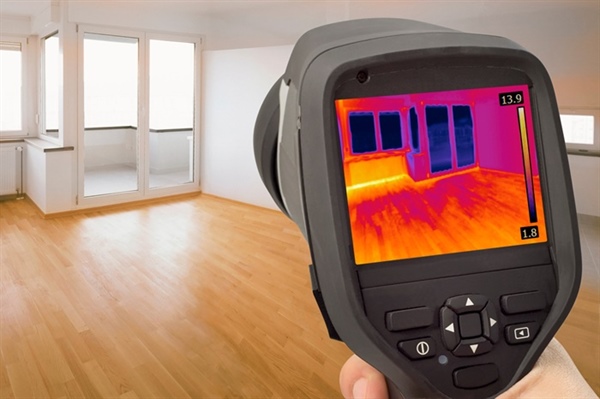
Thermal Imaging
Identifying temperature differences that suggest hidden dampness.
Moisture Meter Testing
Measuring moisture content in drywall, wood, and flooring.
Hygrometer Readings
Monitoring indoor humidity levels.
Slab Assessment
Evaluating potential vapor migration.
HVAC Review
Checking duct insulation and condensate drainage.
Inspections and More FL frequently performs moisture evaluations in waterfront homes after heavy rain events, identifying early-stage dampness before visible damage occurs.
When to Schedule a Moisture Evaluation
Waterfront homeowners in Sanford should consider scheduling moisture detection:
After Heavy Rain or Storms
Even if no leak is visible.
After Minor Roof Repairs
To confirm no hidden moisture remains.
When Buying or Selling a Waterfront Property
To ensure structural integrity.
After Plumbing Leaks
Even if the leak seemed small.
If Musty Odors Develop
Especially in exterior-facing rooms.
If Indoor Humidity Remains Elevated
Despite AC operation.
Annually in Waterfront Homes
As preventive maintenance.
Routine evaluations are particularly helpful after hurricane season or extended rainy periods.
The Science Behind Moisture Detection
Moisture detection relies on understanding equilibrium moisture content.
Building materials absorb moisture until they reach balance with the surrounding air. When readings exceed safe thresholds, it indicates excessive moisture exposure.
Thermal imaging highlights cooler areas caused by evaporation. Moisture meters confirm saturation levels.
In waterfront environments like Sanford, combining both tools ensures accurate results.
Moisture detection is data-driven — not guesswork.
Preventing Moisture Issues in Waterfront Homes
Beyond detection, waterfront homeowners can reduce risk by:
- Monitoring indoor humidity (aim for 45–55%)
- Maintaining window and door seals
- Inspecting roof flashing annually
- Cleaning gutters and drainage systems
- Maintaining HVAC systems regularly
- Installing vapor barriers if needed
- Scheduling post-storm inspections
Homes in Palm Bay, Melbourne, and Merritt Island benefit from similar preventive steps, especially those directly facing water exposure.
Proactive maintenance keeps small moisture pockets from expanding.
Why Local Florida Experience Matters
Moisture patterns in Sanford waterfront homes differ from inland properties.
The combination of:
- Elevated groundwater
- Lake-level fluctuations
- Persistent humidity
- Warm year-round temperatures
- Slab foundation construction
… creates unique moisture behavior.
Professionals familiar with Central Florida building styles understand where water tends to accumulate first and how to interpret detection results accurately.
Inspections and More FL approaches moisture detection with this local expertise, focusing on waterfront-specific vulnerabilities rather than generic inspection approaches.
A Calm, Practical Next Step
Waterfront living brings constant moisture exposure. That doesn’t mean moisture damage is inevitable.
Scheduling a moisture detection evaluation at the right time — especially after storms or when subtle signs appear — helps protect your Sanford home before issues become visible.
Moisture problems rarely resolve on their own in Florida’s climate.
But early detection keeps them manageable.