
After Hidden Water Intrusion in Palm Bay: A Closer Look at Dehumidification
Hidden water intrusion in Palm Bay homes rarely makes a dramatic entrance.
It’s usually subtle. A small roof vulnerability after a summer storm. Wind-driven rain slipping past a window frame. A slow plumbing drip behind a bathroom wall. Days or even weeks pass before anyone notices something feels off.
Maybe the air feels heavy. Maybe there’s a faint musty smell near a baseboard. Maybe the AC seems to be running constantly but the house still feels damp.
By the time these signs show up, moisture has often spread further than expected.
That’s where dehumidification becomes critical.
Why Hidden Water Intrusion Is So Common in Palm Bay
Palm Bay’s environment creates steady moisture pressure on homes.
Property owners here deal with:
• High year-round humidity
• Heavy summer thunderstorms
• Tropical systems during storm season
• Elevated groundwater after prolonged rain
• Salt-laden coastal air
Even small structural gaps can allow moisture to enter.
Once inside, water moves through:
• Wall cavities
• Ceiling spaces
• Subflooring
• Slab foundations
• Crawl spaces
Because outdoor humidity stays high, natural drying is slow.
Moisture lingers.
The Problem With “It Looks Dry”
One of the biggest lessons from Palm Bay homes is this:
Surface dryness does not equal structural dryness.
After hidden intrusion:
• Drywall may feel dry at the surface
• Flooring may appear intact
• Paint may look normal
But behind walls and beneath floors, moisture can remain trapped.
Warm, humid air slows evaporation.
Without intervention, internal framing and insulation may hold dampness for weeks.
That’s when microbial growth becomes more likely.
What Dehumidification Actually Does
Dehumidification removes excess moisture from the air.
It lowers indoor relative humidity to a level where damp materials can release trapped moisture.
When used correctly, dehumidifiers:
• Support structural drying
• Reduce mold risk
• Stabilize indoor air quality
• Shorten recovery timelines
Air movement alone is not enough.
Fans may circulate air, but they do not extract moisture.
In Palm Bay’s humid climate, dehumidification is essential after hidden intrusion.
Common Hidden Intrusion Areas in Palm Bay Homes
Exterior Walls
Wind-driven rain during storms often enters around windows and door frames.
Moisture may travel down studs and collect near baseboards.
Dehumidification helps reduce wall cavity humidity once leaks are repaired.
Attic Spaces
Minor roof gaps allow rain into attic insulation.
Insulation traps moisture against roof decking.
Without dehumidification, humidity remains elevated in both attic and living areas.
Slab Foundations
After heavy rain, groundwater levels rise.
Moisture vapor may migrate upward through concrete slabs.
If flooring traps that vapor, indoor humidity increases.
Dehumidification supports slab drying once flooring is removed.
Crawl Spaces
In homes with crawl spaces, saturated soil increases humidity below the structure.
Moisture rises into subflooring and framing.
Dehumidifiers placed strategically help stabilize both crawl space and interior air.
When to Schedule Dehumidification
Palm Bay homeowners should consider professional dehumidification when:
• Indoor air feels persistently damp
• Musty odors develop after storms
• Flooring begins to warp
• AC runs constantly but humidity remains high
• Moisture meters confirm elevated readings
• Recent roof or plumbing leaks occurred
Waiting for visible mold is a mistake.
Humidity itself is often the first warning.
The Role of Moisture Detection
Before dehumidification begins, moisture detection helps determine:
• How far moisture has spread
• Which materials are affected
• Whether demolition is required
• Optimal placement of drying equipment
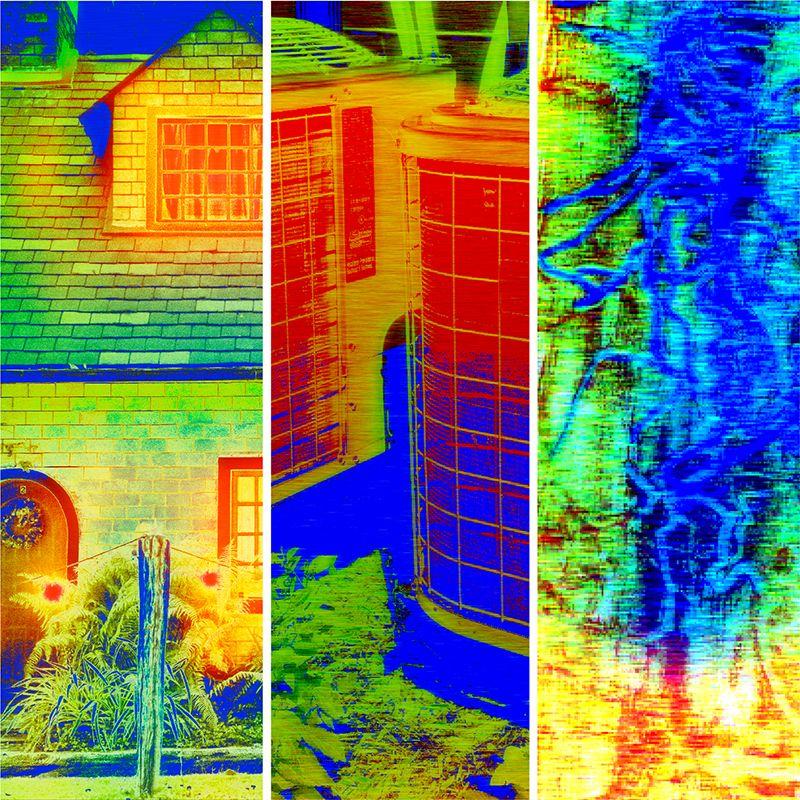
Thermal imaging and moisture meters identify hidden damp areas.
Companies like Inspections and More FL use moisture mapping to guide dehumidification strategy.
Precision ensures efficient drying.
Why Timing Matters in Florida’s Climate
Palm Bay’s warm temperatures accelerate microbial growth.
Within 24 to 48 hours, damp materials can begin supporting mold development.
Delays increase:
• Structural damage
• Odor intensity
• Remediation costs
• Recovery time
Early dehumidification reduces these risks.
The sooner humidity stabilizes, the faster materials return to safe moisture levels.
How Long Dehumidification Typically Takes
Drying timelines vary depending on:
• Extent of moisture spread
• Type of materials affected
• Outdoor humidity levels
• Whether structural demolition was required
Most controlled drying projects run several days, with ongoing monitoring.
Stopping too early can allow residual moisture to remain inside framing or slabs.
Verification through moisture readings protects long-term results.
Preventing Recurring Moisture Issues
After hidden intrusion and drying, homeowners can reduce recurrence by:
• Inspecting roofs before storm season
• Sealing window and door penetrations
• Monitoring indoor humidity year-round
• Servicing HVAC systems regularly
• Checking crawl spaces after heavy rain
• Addressing small leaks immediately
Moisture management is continuous in Palm Bay’s climate.
Proactive maintenance reduces emergency drying needs.
Why Local Experience Matters
Moisture behavior in Palm Bay differs from inland Sanford and even nearby Merritt Island.
Soil conditions, coastal wind patterns, and slab construction styles influence how moisture spreads and dries.
Professionals familiar with:
• Palm Bay neighborhood construction trends
• Typical slab foundation behavior
• Local storm intensity patterns
• HVAC condensation challenges
can design dehumidification plans suited to the region.
Localized knowledge prevents under-drying and unnecessary demolition.
A Practical Next Step
If your Palm Bay home has experienced hidden water intrusion and indoor air feels damp, scheduling a moisture evaluation is a smart move.
Dehumidification is not just about comfort.
It’s about restoring safe moisture levels before mold growth or structural damage develops.
In Florida’s humid coastal environment, moisture rarely disappears without intervention.
Handled early and properly, dehumidification protects your home’s structure, air quality, and long-term stability.
Hidden water doesn’t fix itself.
But controlled drying can.
