
In Slab Foundation Houses in Melbourne: A Closer Look at Structural Dryouts
Slab foundation homes are common throughout Melbourne.
From established neighborhoods in West Melbourne to coastal properties closer to the Indian River Lagoon, many homes here are built directly on concrete slabs. It’s a practical construction method for Florida soil conditions — but when moisture enters the picture, drying becomes more complex than most homeowners expect.
In slab foundation houses, water doesn’t just sit on the surface.
It moves through concrete, wicks into drywall, seeps beneath flooring, and lingers in places you can’t see.
That’s where structural dryouts become critical.
Why Slab Homes in Melbourne Are Vulnerable to Hidden Moisture
Melbourne’s climate creates steady moisture pressure on buildings.
Homes here deal with:
• High year-round humidity
• Heavy summer thunderstorms
• Wind-driven coastal rain
• Elevated groundwater after storms
• Salt-laden air exposure
Concrete is porous.
When soil becomes saturated after prolonged rain, moisture vapor can migrate upward through the slab. Even minor plumbing leaks embedded in or beneath the slab can introduce moisture that spreads slowly over time.
Because slab homes don’t have crawl spaces, moisture has nowhere to dissipate beneath the structure.
It rises directly into the living area.
How Moisture Spreads in Slab Foundations
Water intrusion in slab homes often begins in subtle ways.
Common sources include:
• Roof leaks traveling down exterior walls
• Plumbing leaks within slab lines
• Window seal failures during storms
• Sliding door threshold leaks
• Groundwater pressure after heavy rain
Once moisture reaches the slab, it can:
• Wick into drywall behind baseboards
• Saturate flooring underlayment
• Break down adhesive layers
• Increase indoor humidity
By the time visible signs appear, moisture may have spread across several feet of concrete.
Structural dryouts target these hidden areas.
Signs a Structural Dryout May Be Necessary
Melbourne homeowners often report:
• Musty odors near floors
• Slight cupping of wood or laminate flooring
• Darkened grout lines
• Baseboards pulling away from walls
• Persistent indoor humidity despite AC use
Surface cleaning won’t solve these issues.
If moisture remains inside the slab or wall framing, drying must occur at the structural level.
Waiting allows damage to expand.
What a Structural Dryout Involves in Slab Homes
Structural dryouts in slab foundation houses follow a specific process.
First, moisture detection confirms the extent of dampness.
This may include:
• Pin and pinless moisture meter readings
• Thermal imaging scans
• Slab moisture testing
• Humidity measurements
Once moisture mapping is complete, drying begins.
Dryouts typically involve:
• Removal of affected flooring
• Baseboard removal
• Controlled demolition of damp drywall when necessary
• Strategic air mover placement
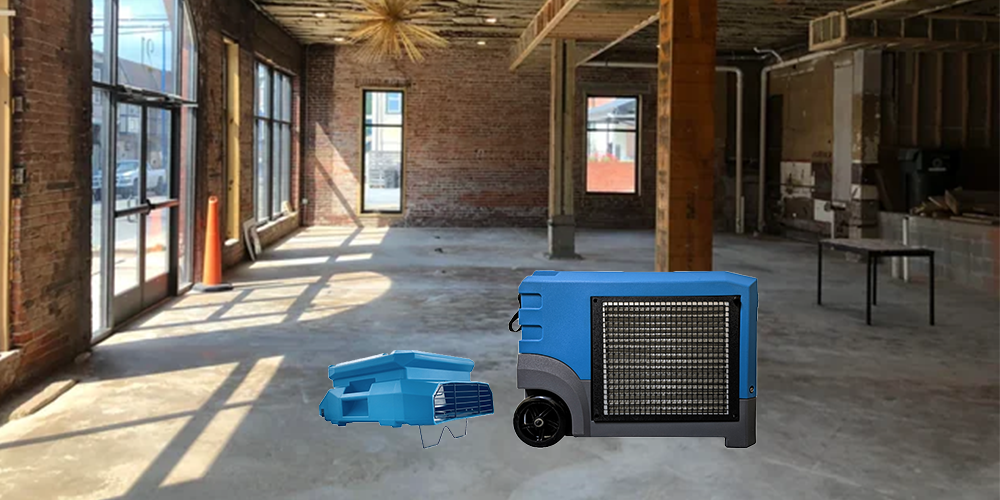
• Commercial-grade dehumidification
• Continuous moisture monitoring
The goal is to return concrete and framing materials to safe moisture levels.
Stopping too early increases recurrence risk.
Why Dehumidification Is Critical in Melbourne
In coastal Melbourne, outdoor humidity often remains elevated long after rain stops.
Air movers alone increase evaporation but do not remove moisture from the air.
Without dehumidifiers:
• Indoor humidity rises
• Evaporation slows
• Materials reabsorb moisture
• Drying stalls
Structural dryouts require both airflow and dehumidification working together.
Controlled humidity creates an environment where concrete and framing can release trapped moisture effectively.
Slab Plumbing Leaks and Extended Drying
When plumbing lines within or beneath slabs leak, moisture spreads slowly across the concrete.
By the time flooring shows signs of warping, the affected area may extend beyond visible damage.
Structural dryouts in these cases often take longer.
Moisture meters monitor the slab over several days to ensure stabilization before reconstruction begins.
Replacing flooring prematurely traps moisture beneath new materials.
That often leads to repeat repairs.
Preventing Mold During the Drying Process
Melbourne’s warm climate accelerates microbial growth.
If structural drying is delayed, mold may begin forming within 24 to 48 hours on damp materials.
Structural dryouts often include:
• Air filtration
• Surface cleaning of exposed framing
• Monitoring for microbial presence
• Containment when necessary
Companies like Inspections and More FL prioritize identifying the moisture source before and during drying to prevent repeat contamination.
Moisture control comes first.
The Importance of Verification
One of the most overlooked aspects of structural dryouts is verification.
Concrete and wood may appear dry at the surface while internal moisture remains elevated.
Professional drying includes repeated moisture readings to confirm safe levels before rebuilding.
Verification protects:
• New flooring installations
• Cabinet bases
• Interior wall finishes
• Long-term structural stability
Without confirmation, moisture may reappear weeks later.
Preventing Future Slab Moisture Issues
Melbourne homeowners can reduce recurrence by:
• Monitoring indoor humidity
• Inspecting plumbing regularly
• Sealing exterior penetrations
• Ensuring proper yard drainage
• Scheduling roof inspections before storm season
• Checking for groundwater pooling after heavy rain
Moisture management in slab homes is ongoing in Florida’s climate.
Proactive maintenance reduces emergency dryouts.
Why Local Experience Matters
Slab foundation behavior in Melbourne differs from inland cities like Sanford and even nearby Palm Bay.
Coastal groundwater levels, salt exposure, and storm intensity influence how moisture migrates through concrete.
Professionals familiar with:
• Melbourne soil conditions
• Typical slab construction methods
• Local storm patterns
• HVAC condensation behavior
can design drying strategies tailored to the region.
Localized knowledge ensures structural dryouts address the root cause — not just the symptoms.
A Practical Next Step
If your slab foundation home in Melbourne shows signs of persistent moisture after heavy rain or a plumbing issue, scheduling a moisture evaluation is a practical step.
Structural dryouts protect the integrity of the slab-to-living-space connection.
In Florida’s humid environment, moisture doesn’t disappear on its own.
Handled early and thoroughly, structural drying restores stability before mold growth or material failure escalates the situation.
Slab homes are durable — but only when moisture is properly managed.
