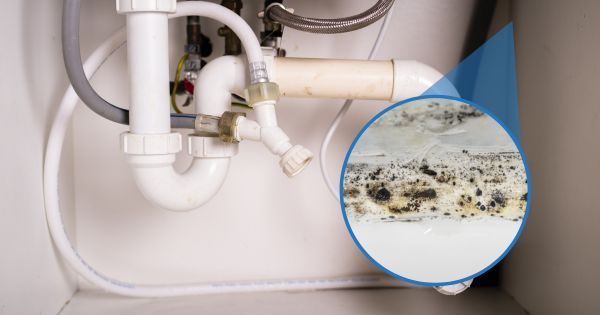
After Plumbing Leaks in Palm Bay: A Closer Look at Mold Remediation
In Palm Bay, plumbing leaks are more common than most homeowners realize. A slow drip under a sink, a cracked supply line behind a wall, or a minor pipe joint failure can quietly introduce moisture into structural materials. Because Florida’s climate is already humid, that added moisture often lingers longer than expected.
After a plumbing leak, the visible water is only part of the issue. What truly determines whether mold remediation becomes necessary is how long moisture remained inside walls, floors, or ceilings.
In Palm Bay’s coastal environment, quick detection and structured remediation are critical to protecting your property.
Why Plumbing Leaks Are Especially Risky in Florida
Plumbing leaks can happen anywhere — but in Palm Bay, environmental conditions amplify their impact.
High Ambient Humidity
Even after water is cleaned up, elevated humidity slows drying.
Slab Foundations
Many Palm Bay homes sit on slabs. Water can seep beneath flooring and become trapped.
Warm Temperatures
Florida’s climate allows mold to grow year-round when moisture is present.
Hidden Pipe Locations
Supply lines and drains often run inside wall cavities where leaks go unnoticed.
When moisture remains trapped for more than 24–48 hours, microbial growth can begin.
Where Plumbing Leak Moisture Commonly Spreads
Water rarely stays where the leak occurs.
After a plumbing failure, moisture can:
- Wick upward into drywall
- Travel laterally beneath flooring
- Soak insulation inside walls
- Saturate subfloor materials
- Pool inside cabinet bases
- Enter ceiling cavities from upper-level leaks
By the time a stain or odor appears, the affected area may be larger than expected.
Early Warning Signs Mold May Be Developing
Palm Bay homeowners often notice:
- Musty odors near kitchens or bathrooms
- Soft drywall around plumbing fixtures
- Warped laminate or hardwood flooring
- Bubbling paint
- Cabinet base swelling
- Persistent humidity in one area
Sometimes there are no obvious signs at all until a professional inspection is performed.
Why Surface Cleaning Isn’t Enough
After a plumbing leak, many property owners attempt:
- Wiping down visible water
- Running fans
- Replacing a small drywall section
- Applying household cleaners
These steps may remove surface moisture but often miss hidden dampness inside framing or subfloors.
Mold remediation becomes necessary when moisture has penetrated porous materials and microbial growth has begun.
Simply cleaning the surface does not eliminate embedded mold colonies.
How Mold Remediation Begins After a Leak
A structured approach typically starts with proper moisture detection.
Moisture Mapping
Professionals use moisture meters and thermal imaging to determine how far water traveled.
Containment
If mold is confirmed, affected areas are isolated to prevent spore spread.
Removal of Saturated Materials
Wet drywall, insulation, or flooring may require removal.
HEPA Air Scrubbing
Air filtration equipment captures airborne particles during remediation.
Structural Drying
High-capacity dehumidifiers and air movers reduce moisture levels.
Companies such as Inspections and More FL combine detection and drying before beginning reconstruction, ensuring materials are truly dry.
Why Timing Matters in Palm Bay
Florida’s climate accelerates mold growth.
If remediation is delayed:
- Mold spreads into adjacent wall cavities
- Framing may absorb additional moisture
- Odors intensify
- Air quality declines
- Repair costs increase
What begins as a minor leak can become a larger remediation project if not addressed quickly.
The Role of Dehumidification in Remediation
After leak repair and material removal, controlled drying is essential.
Professional dehumidifiers:
- Lower indoor humidity
- Encourage moisture release from framing
- Prevent condensation buildup
- Support full structural recovery
Portable household units often cannot keep pace with Palm Bay’s humidity levels.
Measured drying ensures materials reach safe moisture content before rebuilding.
When Mold Encapsulation May Be Used
If structural wood framing remains intact but has been cleaned and dried, mold encapsulation may be appropriate.
Encapsulation seals treated surfaces and helps prevent future microbial growth — but only after moisture correction is complete.
Applying sealants to damp materials traps moisture and leads to recurring problems.
Preventing Future Plumbing-Related Mold Issues
Palm Bay homeowners can reduce risk by:
- Inspecting under sinks regularly
- Monitoring water bills for unexplained increases
- Checking appliances for supply line wear
- Maintaining water heater connections
- Scheduling moisture evaluations after any leak
- Keeping indoor humidity within recommended levels
Plumbing leaks are often minor — until moisture is allowed to remain.
Why Local Experience Matters
Moisture behavior after plumbing leaks in Palm Bay differs from drier climates.
Professionals familiar with Palm Bay, Cocoa, Melbourne, Merritt Island, and Sanford understand:
- Coastal humidity cycles
- Slab vapor interaction
- Storm-season compounding moisture
- HVAC condensation risks
Local experience allows faster identification of hidden spread and more effective drying strategies.
Inspections and More FL works specifically within Florida’s humid conditions, focusing on stabilizing moisture before cosmetic repairs resume.
A Practical Next Step
If your Palm Bay property has experienced a plumbing leak — even a small one — don’t rely on surface drying alone.
A professional moisture evaluation determines whether mold remediation is necessary and how extensive the affected area may be.
In Florida’s coastal climate, early action protects structural materials, flooring systems, and indoor air quality.
Addressing both the moisture source and any resulting mold growth once — thoroughly — prevents recurring problems later.