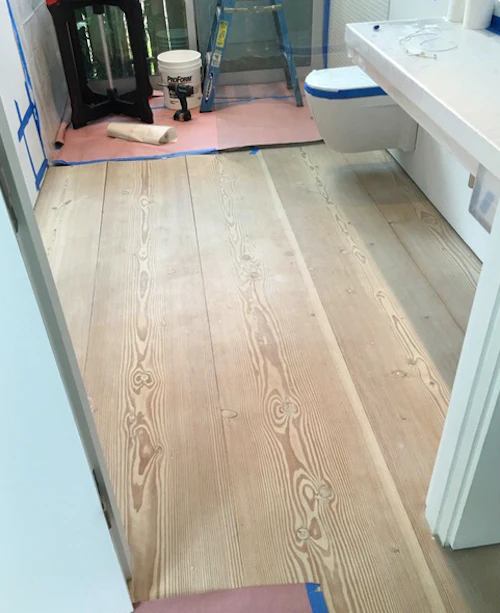
Why Anti-Microbial Fogging Becomes Necessary in Palm Bay Under Hardwood Flooring
Hardwood flooring adds warmth and character to Palm Bay homes and commercial interiors. But in Florida’s humid coastal climate, wood flooring systems are constantly exposed to moisture pressure — from slab vapor, plumbing leaks, storm intrusion, and elevated indoor humidity.
When moisture gets trapped under hardwood flooring, microbial growth can begin quietly. In certain situations, anti-microbial fogging becomes a necessary part of the remediation process — not as a shortcut, but as a controlled step within a larger moisture correction plan.
Why Hardwood Flooring Is Vulnerable in Palm Bay
Palm Bay’s environment creates persistent moisture exposure.
High Coastal Humidity
Outdoor air carries elevated moisture levels year-round.
Slab Foundations
Many Palm Bay properties are built on concrete slabs. Concrete is porous and can transmit vapor upward.
Storm Season
Heavy rainfall saturates soil and increases vapor pressure beneath slabs.
AC Condensation
Extended cooling cycles can introduce moisture through ductwork or condensate lines.
Minor Plumbing Leaks
Slow leaks near kitchens, laundry areas, or bathrooms often migrate beneath flooring before being detected.
Once moisture is trapped beneath hardwood, airflow is limited. The underside of boards and subfloor materials become ideal environments for microbial growth.
What Happens When Moisture Lingers Under Hardwood
When moisture remains beneath flooring:
- Wood absorbs water and begins to cup or warp
- Adhesives weaken
- Subfloor materials stay damp
- Dust and organic debris feed microbial growth
- Odors develop
By the time visible flooring damage appears, microbial activity may already be active underneath.
Because hardwood sits tightly over the subfloor, the affected area often extends beyond what is visible on the surface.
Why Anti-Microbial Fogging Becomes Necessary
Anti-microbial fogging becomes necessary when:
- Microbial growth has been confirmed
- Containment is in place during remediation
- Airborne particles need to be reduced
- Odors persist after material removal
- Subfloor cavities require supplemental treatment
Fogging disperses a fine mist designed to reduce microbial presence on exposed surfaces and within accessible cavities.
However, fogging is not a substitute for drying or removal of saturated materials.
In Palm Bay’s humid climate, it must follow moisture correction — not replace it.
The Common Mistake: Fogging Without Drying
One of the most frequent errors seen locally is applying fogging treatments before structural drying is complete.
If:
- The slab remains damp
- Subfloor materials hold moisture
- Indoor humidity stays elevated
Microbial growth can return, even after fogging.
Proper sequencing matters:
- Moisture detection
- Removal of saturated materials (if necessary)
- Structural drying
- Containment
- Air scrubbing
- Anti-microbial fogging
- Moisture source correction
Companies such as Inspections and More FL integrate fogging as part of a complete remediation plan rather than using it as a standalone solution.
Why Palm Bay’s Climate Makes Fogging More Relevant
In drier climates, minor moisture events may resolve more quickly.
In Palm Bay:
- Humidity slows evaporation
- Soil saturation increases slab vapor transmission
- Back-to-back storms compound moisture exposure
- Cooling systems run continuously
Even after flooring removal or drying, residual microbial presence may remain in lower cavities.
Fogging helps reduce microbial load during controlled remediation — especially in enclosed under-floor areas.
When Hardwood Flooring Is Removed
In some cases, sections of hardwood may require removal to access saturated subfloor materials.
After removal:
- Air scrubbers filter airborne particles
- Dehumidifiers lower humidity
- Subfloors are dried and cleaned
- Anti-microbial fogging may be applied to accessible cavities
Fogging supports environmental stabilization before reconstruction begins.
It helps protect adjacent areas from cross-contamination.
Why Surface Cleaning Isn’t Enough
Homeowners sometimes attempt:
- Mopping floors with cleaning agents
- Spraying surface treatments along seams
- Running portable dehumidifiers
These approaches do not reach beneath hardwood layers.
Moisture trapped below the surface must be detected and addressed professionally.
Fogging only becomes appropriate after confirmation of microbial presence and completion of structural drying.
Preventing Recurrence Under Hardwood Floors
Long-term protection includes:
- Monitoring indoor humidity (ideally 45–55%)
- Inspecting appliances for slow leaks
- Maintaining HVAC condensate systems
- Improving exterior drainage
- Scheduling moisture evaluations after storms
- Addressing slab vapor concerns when identified
Under-floor moisture in Palm Bay is often environmental — not just accidental.
Proactive moisture management reduces the need for remediation.
Why Local Experience Matters
Moisture behavior under hardwood in Palm Bay differs from inland properties.
Professionals familiar with Palm Bay, Cocoa, Melbourne, Merritt Island, and Sanford understand:
- Coastal humidity cycles
- Slab vapor transmission patterns
- Storm-related infiltration
- AC condensation risks
Local expertise ensures fogging is used appropriately — as a supportive measure within a complete moisture control plan.
Inspections and More FL works within Florida’s humid coastal conditions, focusing on correcting moisture drivers before recommending supplemental treatments like anti-microbial fogging.
A Practical Next Step
If your Palm Bay property shows signs of musty odors, warped hardwood, or recent moisture exposure, a professional evaluation is the right first step.
Anti-microbial fogging may become necessary — but only after confirming moisture conditions and stabilizing the structure.
In Florida’s coastal climate, controlling moisture beneath hardwood flooring protects both structural materials and indoor air quality.
When applied at the right stage, fogging supports long-term recovery rather than temporary relief.