Air Blower Installation in Cocoa During Extreme Humidity: How to Prevent Recurring Damage
In this kind of environment, moisture doesn’t always come from dramatic leaks or flooding. Sometimes it builds slowly — in wall cavities, beneath flooring, inside attics, or along slab edges. That’s when air blower installation becomes necessary.
Why Extreme Humidity Is a Real Structural Concern in Cocoa
Cocoa sits close to the coast, exposed to Atlantic moisture patterns and heavy summer rainfall. During extreme humidity periods:
- Indoor humidity levels can rise above safe ranges
- Slab foundations absorb ground moisture
- Crawl spaces trap damp air
- Attics experience condensation buildup
- HVAC ducts begin sweating
When humidity remains elevated for days or weeks, building materials absorb moisture gradually.
Wood framing, drywall, insulation, and subflooring don’t need standing water to be affected — sustained humidity alone is enough.
What Air Blower Installation Actually Does
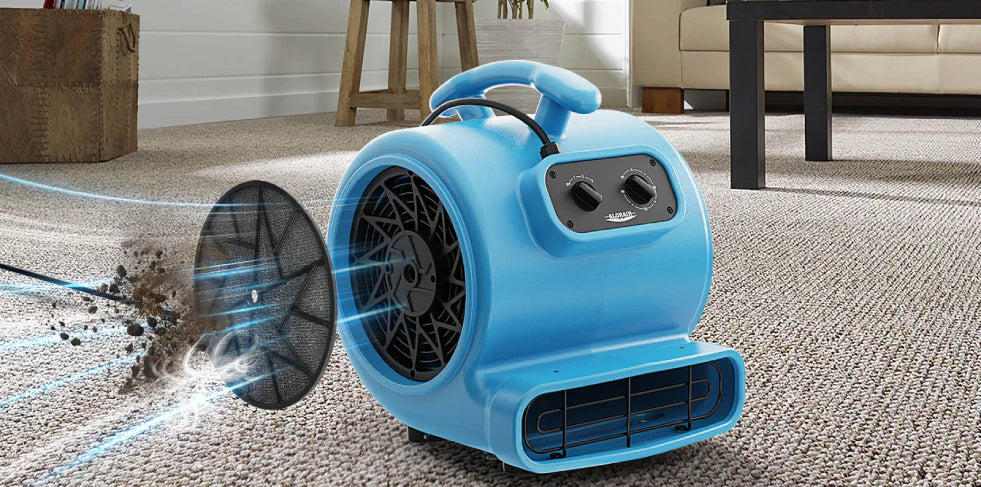
Air blower installation refers to placing high-velocity air movers strategically to increase airflow across damp or high-humidity areas.
The purpose is to:
- Accelerate evaporation
- Prevent moisture from settling into structural materials
- Support dehumidification systems
- Stabilize affected areas
- Reduce the chance of mold development
Air blowers work best when combined with moisture detection and dehumidifiers. They create movement; dehumidifiers remove moisture from the air.
In Cocoa’s climate, airflow is often the missing piece in preventing recurring damage.
Where Recurring Humidity Damage Typically Appears
In Cocoa homes, repeated moisture exposure during humid seasons often impacts:
Slab Edges and Flooring
Concrete slabs can release moisture upward when soil is saturated. Hardwood and laminate flooring may begin cupping or separating.
Wall Bases
Exterior-facing walls absorb moisture from humid air and ground contact.
Attics
Hot, stagnant attic air combined with humidity leads to condensation on roof decking.
Crawl Spaces
Raised homes trap humid ground air beneath flooring systems.
HVAC Ductwork
Cold ducts in hot, humid attics produce surface condensation that drips onto insulation.
Without controlled airflow, these areas remain damp long enough to create long-term problems.
Common Signs Airflow Support Is Needed
Property owners in Cocoa may notice:
- Persistent musty odors
- Slight warping in flooring
- Increased indoor humidity readings
- AC running constantly without comfort improvement
- Insulation feeling heavy or damp
- Minor staining along baseboards
Even without visible water intrusion, these are early warning signs that airflow and humidity control are not keeping up.
Why Standard AC Systems Aren’t Enough
Air conditioning removes some humidity, but it has limitations.
AC systems:
- Cycle on and off
- Are designed for comfort, not structural drying
- May not run long enough to remove deep moisture
- Can contribute to condensation if ducts are poorly insulated
During extreme humidity in Cocoa, the AC alone often cannot maintain optimal moisture balance.
Air blower installation supports targeted drying where the AC cannot reach effectively.
How Professionals Approach Air Blower Installation
A structured approach prevents overuse or improper placement.
Step 1: Moisture Assessment
Before installing air movers, professionals measure:
- Indoor humidity levels
- Moisture content in walls or flooring
- Attic and crawl space conditions
This ensures airflow is directed where needed.
Step 2: Strategic Placement
Air blowers are positioned to:
- Push damp air toward dehumidifiers
- Increase circulation along slab edges
- Improve airflow in wall cavities (if opened)
- Reduce stagnant air pockets
Placement is precise — not random.
Step 3: Dehumidification Support
Industrial dehumidifiers operate simultaneously to remove evaporated moisture from the air.
Without dehumidification, air blowers alone would only move humid air around.
Step 4: Monitoring
Moisture levels are monitored daily to prevent over-drying or missed damp zones.
Companies experienced in Brevard County, such as Inspections and More FL, understand how Cocoa’s humidity patterns influence drying timelines and airflow strategies.
How Air Blower Installation Prevents Recurring Damage
When used properly during extreme humidity periods, air blowers help prevent:
- Mold growth inside wall cavities
- Wood framing expansion and warping
- Flooring adhesive breakdown
- Insulation degradation
- HVAC condensation buildup
- Lingering musty odors
In Florida, repeated small moisture events often cause more damage over time than one large incident.
Controlled airflow reduces cumulative impact.
Long-Term Prevention Strategies for Cocoa Homes
Air blower installation is often part of a larger humidity management plan.
Property owners can reduce recurring damage by:
- Monitoring indoor humidity (target 45–55%)
- Ensuring attic ventilation is functioning
- Inspecting crawl spaces during rainy seasons
- Servicing HVAC systems annually
- Sealing gaps near windows and doors
- Checking slab perimeter for moisture intrusion
- Scheduling seasonal moisture inspections
Homes in nearby Merritt Island and Melbourne face similar coastal humidity, but Cocoa properties often experience intense inland storm bursts that elevate moisture quickly.
Proactive airflow management makes a difference.
Why Local Coastal Experience Matters
Extreme humidity in Cocoa behaves differently than in dry climates.
Professionals familiar with local conditions understand:
- Slab moisture migration patterns
- Storm-driven humidity spikes
- Salt air effects on materials
- Attic heat-humidity cycles
- How quickly microbial growth begins in warm conditions
Correct airflow strategy depends on knowing how moisture behaves in this specific environment.
Experience reduces unnecessary demolition and improves long-term stability.
A Practical Perspective for Cocoa Property Owners
Air blower installation during extreme humidity in Cocoa is not a cosmetic measure. It’s a structural protection strategy.
When humidity remains elevated and early warning signs appear, targeted airflow combined with dehumidification prevents recurring damage before it spreads.
In Florida’s coastal climate, moisture control is continuous — not seasonal.
With timely assessment, strategic air blower placement, and consistent humidity management, Cocoa homes can stay stable, dry, and protected even during the most humid months of the year.