
Air Blower Installation in Cocoa in Older Florida Homes: What Property Owners Should Understand
Older homes in Cocoa have character. Solid construction. Established neighborhoods. Mature landscaping. But when it comes to moisture control, many of these homes were built in a very different era.
Ventilation standards were different. Vapor barriers were limited or nonexistent. Crawl spaces were common. Slab-on-grade foundations didn’t always include modern moisture protection.
When water intrusion or elevated humidity affects these properties, air blower installation often becomes part of the structural drying process. But many property owners misunderstand what air blowers actually do — and when they’re truly necessary.
Let’s break down what Cocoa homeowners should understand about air blower installation in older Florida homes.
Why Older Cocoa Homes Struggle With Moisture
Cocoa’s coastal climate creates steady moisture pressure:
- High year-round humidity
- Heavy seasonal rain
- Elevated groundwater levels
- Long AC operating seasons
- Warm nighttime temperatures
Older construction adds additional factors:
- Minimal slab vapor barriers
- Aging plumbing lines
- Original duct insulation
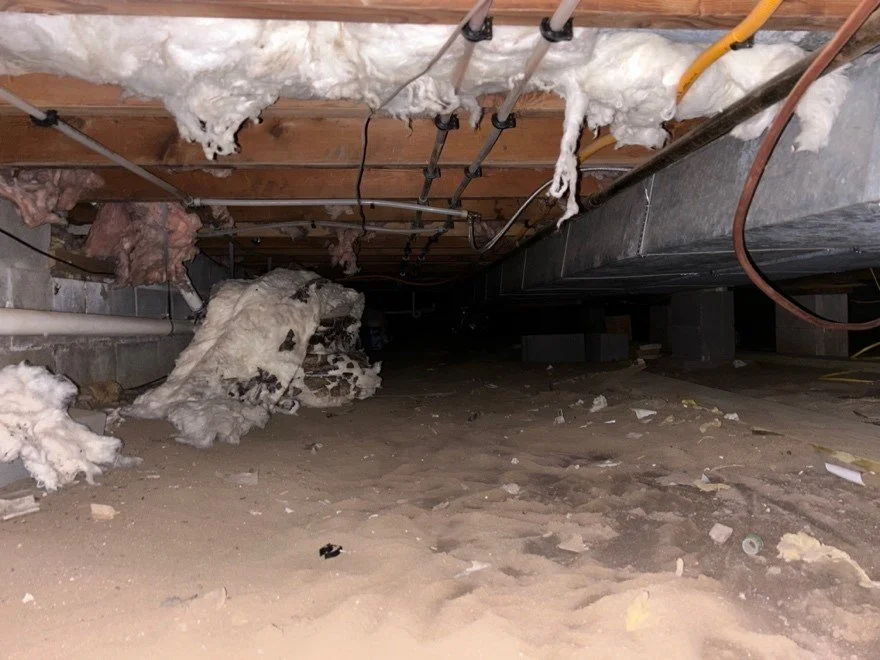
- Crawl spaces without sealed vapor barriers
- Older roof flashing systems
When water intrusion happens — even minor leaks — moisture doesn’t dry quickly on its own.
That’s where controlled airflow becomes critical.
What Air Blowers Actually Do
Air blowers (also called air movers) are high-velocity fans designed to increase evaporation from wet surfaces.
They work by:
- Moving air across damp materials
- Accelerating moisture evaporation
- Supporting dehumidification systems
- Reducing drying time
- Preventing stagnant air pockets
They do not remove moisture from the air on their own. That’s the job of dehumidifiers.
Air blowers and dehumidifiers work together during structural drying.
When Air Blower Installation Becomes Necessary
Air blowers are commonly used in Cocoa homes after:
- Plumbing leaks
- Roof failures
- AC condensation overflows
- Slab moisture migration
- Crawl space dampness
- Hurricane or storm intrusion
In older homes, even small moisture events can spread quickly through framing and subfloor systems.
Without forced airflow, materials may remain damp for extended periods.
Why Natural Drying Isn’t Enough in Cocoa
Opening windows to “air it out” often increases indoor humidity in coastal Florida.
Outdoor air in Cocoa frequently carries high moisture levels.
When humidity remains elevated:
- Drywall releases moisture slowly
- Wood framing stays damp
- Subfloors retain moisture
- Crawl spaces become stagnant
Air blowers create controlled circulation that supports proper drying — something passive ventilation cannot accomplish in this climate.
Step-by-Step: How Air Blowers Are Used in Older Homes
Step 1: Moisture Detection and Mapping
Before equipment is installed, professionals identify:
- Damp drywall
- Elevated slab moisture
- Saturated insulation
- Crawl space humidity levels
- Framing moisture readings
Thermal imaging and moisture meters define the affected footprint.
This ensures blowers are placed strategically.
Step 2: Source Correction
Air blowers should never be installed before fixing the moisture source.
This may include:
- Plumbing repair
- Roof patching
- Drain line clearing
- Crawl space sealing
Drying without correction leads to recurring problems.
Step 3: Controlled Equipment Placement
Air blowers are positioned to:
- Direct airflow across damp surfaces
- Avoid blowing directly into unaffected areas
- Prevent spreading debris
- Maintain balanced airflow patterns
In older Cocoa homes with narrow hallways or tight crawl spaces, placement must be precise.
Step 4: Pairing With Dehumidification
Air blowers increase evaporation.
Dehumidifiers remove the evaporated moisture from the air.
Without dehumidifiers, air blowers alone may simply redistribute moisture.
This is especially important in Cocoa’s humid environment.
Step 5: Ongoing Monitoring
Moisture levels are checked daily.
Airflow patterns may be adjusted based on readings.
Drying continues until materials reach acceptable moisture content.
Companies like Inspections and More FL emphasize measurement-based drying because Florida humidity makes assumptions risky.
Special Considerations in Older Cocoa Homes
Crawl Spaces
Many older homes include vented crawl spaces.
Air blowers may be used to increase circulation beneath the structure.
However, long-term solutions often include vapor barrier upgrades.
Hardwood Flooring
Older hardwood floors may trap moisture beneath boards.
Air blowers can assist with surface drying, but specialized systems may be required for subfloor moisture.
Plaster Walls
Some older homes include plaster instead of drywall.
Plaster dries differently and may require extended airflow.
Slab Vapor Issues
If moisture is migrating upward from the slab, air blowers must be paired with humidity control and possibly further evaluation.
Cost Factors Property Owners Should Consider
Air blower installation costs depend on:
- Size of the affected area
- Duration of drying
- Number of units required
- Environmental humidity levels
- Whether additional demolition is necessary
Early response typically reduces equipment time and overall cost.
Delays increase drying duration and expand the moisture footprint.
Why Quick Action Matters
In Cocoa’s climate, the first 24–72 hours after moisture intrusion are critical.
Prompt air blower installation:
- Limits moisture spread
- Reduces risk of mold development
- Protects structural framing
- Preserves flooring and drywall
- Shortens restoration timelines
Waiting allows moisture to migrate deeper into materials.
Long-Term Moisture Prevention Strategies
After drying is complete, property owners should:
- Maintain plumbing systems
- Inspect roofs annually
- Monitor indoor humidity
- Maintain AC systems
- Inspect crawl spaces periodically
- Evaluate slab moisture in older properties
Proactive monitoring prevents repeated drying projects.
Why Local Experience Matters
Air blower installation in older Cocoa homes requires understanding:
- Coastal humidity behavior
- Slab-on-grade construction patterns
- Crawl space moisture dynamics
- Realistic drying timelines in Florida air
- Storm-driven moisture patterns
Local professionals recognize how these factors affect airflow planning.
A Practical Next Step
If your older Cocoa home has experienced a leak or persistent dampness, don’t rely on natural airflow alone.
Professional air blower installation — combined with proper dehumidification and moisture verification — ensures materials truly dry.
In Florida’s coastal climate, airflow isn’t just about comfort. It’s about protecting the structure from hidden moisture damage and preventing larger remediation projects later.
