
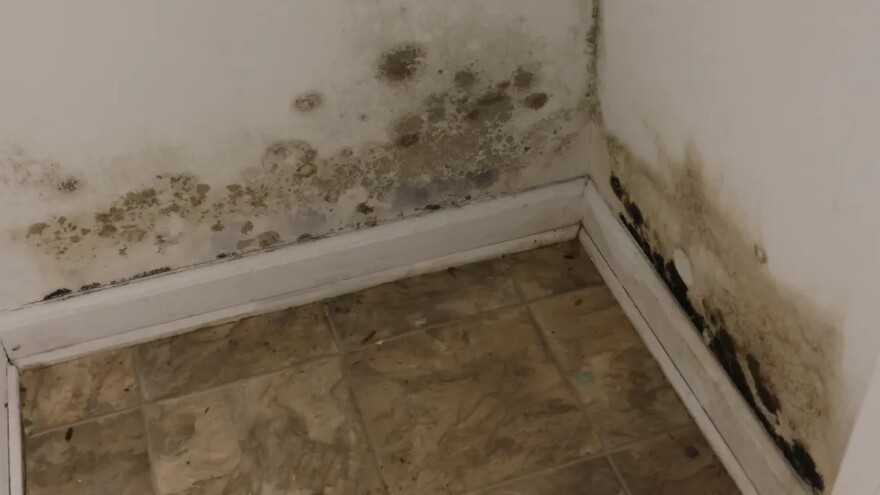
Coastal living in Melbourne has its perks — ocean air, steady breezes, and beautiful waterfront neighborhoods. But that same coastal environment creates one of the most persistent indoor challenges homeowners face: recurring moisture problems.
If you’ve already had anti-microbial fogging performed in your Melbourne property and the musty odor or microbial growth keeps returning, you’re not alone. In coastal properties, fogging alone rarely solves the long-term issue. The real question isn’t whether fogging works — it’s why the underlying moisture conditions allow the problem to reappear.
Let’s break down why anti-microbial fogging in Melbourne coastal properties sometimes becomes a repeating service instead of a permanent solution.
What Anti-Microbial Fogging Actually Does
Anti-microbial fogging disperses a fine mist of treatment solution into affected areas. The mist reaches tight spaces, porous surfaces, and hard-to-access voids where wiping or scrubbing isn’t practical.
It’s typically used:
- After mold remediation
- During odor treatment
- When microbial contamination is suspected in wall cavities
- Following water intrusion events
- As a supportive step in larger remediation plans
Fogging helps reduce microbial particles and neutralize residual contaminants. But it is not moisture control. It is not structural drying. And it is not a replacement for correcting environmental imbalances.
In Melbourne’s coastal climate, that distinction matters.
Why Coastal Properties in Melbourne Are Different
Melbourne sits along the Atlantic, and coastal properties experience year-round humidity pressure. Even when there’s no active leak, ambient moisture levels remain elevated.
Coastal homes deal with:
- Salt-laden air
- Frequent summer storms
- High groundwater levels
- Persistent humidity above 60%
- Wind-driven rain
- Extended AC usage
Salt exposure gradually weakens building materials. Flashing, sealants, and exterior trim deteriorate faster. Small gaps develop over time, allowing moisture entry during storms.
Even when repairs are made, indoor humidity often stays higher than ideal — especially in homes close to the water.
When humidity remains elevated, microbial growth can return after fogging.
Why Problems Keep Returning
The most common reason problems return is simple: moisture was never fully corrected.
Fogging treats contamination, but it does not remove:
- Damp insulation
- Wet framing
- Saturated drywall
- Condensation cycles
- High indoor humidity
If indoor humidity consistently exceeds 60%, microbial growth can redevelop on organic surfaces such as wood, drywall paper, and dust accumulation.
In coastal Melbourne homes, recurring contributors often include:
Oversized AC systems
Short cycling cools air quickly but doesn’t remove enough moisture.
Poor attic ventilation
Trapped humid air above ceilings creates ongoing dampness.
Crawl space moisture
Unsealed or unconditioned crawl spaces introduce humidity into living areas.
Duct condensation
Cold air ducts in hot, humid attics create ongoing moisture points.
Slab moisture migration
High water tables allow moisture to wick upward through concrete.
If these environmental issues remain, fogging becomes a temporary reset rather than a long-term fix.
Common Signs Recurring Moisture Is Present
Homeowners in Melbourne coastal neighborhoods often report:
- Musty odors returning within months
- Visible spotting reappearing in similar areas
- Persistent humidity despite AC use
- Condensation near vents
- Damp feeling walls or floors
- Allergy-like irritation during humid months
These patterns indicate that moisture imbalance still exists somewhere in the structure.
Fogging may temporarily reduce microbial load, but without humidity stabilization, recurrence is likely.
Hidden or Overlooked Moisture Sources in Coastal Homes
Many coastal properties have hidden vulnerabilities.
Roof penetrations weakened by salt air
Small flashing separations allow minor water intrusion.
Window and door frame degradation
Sealants break down faster near the coast.
High humidity crawl spaces
Moist air rises into the living space.
Inadequate vapor barriers
Older homes may lack proper moisture protection beneath slabs.
Bathroom exhaust fans venting into attics
Warm humid air becomes trapped overhead.
Without identifying these contributing factors, fogging becomes repetitive.
Why DIY Fogging or Surface Sprays Don’t Solve It
Some homeowners attempt store-bought foggers or surface disinfectants.
These solutions often:
- Fail to penetrate porous materials
- Ignore hidden damp areas
- Do not address airflow or humidity
- Provide only surface-level treatment
In some cases, fogging without containment can even distribute particles further if active mold growth is disturbed.
Proper anti-microbial fogging is controlled and used as part of a coordinated remediation strategy.
Professional Inspection & Detection in Coastal Properties
When recurring problems occur, a deeper inspection is usually necessary.
A thorough evaluation may include:
Visual inspection of attic and crawl spaces
Thermal imaging to identify hidden moisture
Moisture detection tools for walls and flooring
Indoor humidity monitoring
Air quality evaluation when appropriate
HVAC system assessment
The goal is to determine why moisture persists.
Inspections and More FL frequently finds that recurring coastal mold issues stem from environmental imbalance rather than one-time water events.
The Right Way to Approach Recurring Problems
If anti-microbial fogging has been performed before and issues return, the solution usually requires expanding beyond fogging.
A proper recovery plan may include:
Containment if active growth is present
Safe mold removal
Structural dryouts
Dehumidification systems installation
Air blower installation to improve circulation
Crawl space sealing
Ventilation upgrades
Duct insulation improvements
Roof or flashing repairs
Mold encapsulation where appropriate
Dehumidification is often the most critical long-term fix in Melbourne coastal properties. Maintaining indoor humidity between 45% and 55% dramatically reduces recurrence risk.
Fogging then becomes a supportive measure — not the primary defense.
Long-Term Protection Strategies for Coastal Melbourne Homes
To prevent recurring problems, property owners should:
- Install whole-home dehumidification systems
- Monitor humidity regularly
- Inspect attics and crawl spaces annually
- Maintain HVAC systems before peak summer
- Address minor roof or flashing issues immediately
- Improve ventilation balance
- Seal crawl spaces if applicable
- Schedule post-storm inspections
Coastal living requires proactive moisture management.
Why Local Experience Matters
Melbourne coastal homes behave differently than inland properties in places like Sanford or even parts of Palm Bay.
Salt air accelerates material wear. Humidity remains elevated longer. Storm exposure is more frequent. High water tables influence slab conditions.
Professionals familiar with these patterns can identify subtle causes quickly — and prevent repeated fogging cycles.
Inspections and More FL works with Melbourne coastal homeowners and property managers to design long-term solutions that stabilize humidity and protect structural materials.
When to Reevaluate
If your coastal Melbourne property has undergone fogging but odors or spotting return, it’s not necessarily a failure of the treatment. It’s often a sign that deeper moisture issues remain.
Anti-microbial fogging becomes effective when used as part of a comprehensive moisture correction plan.
Florida’s coastal climate isn’t changing. But with proper dehumidification, ventilation correction, and targeted remediation, recurring microbial problems don’t have to be the norm.
Fogging treats the symptom.
Moisture control fixes the cause.
And in Melbourne’s coastal environment, long-term protection depends on addressing both.
