
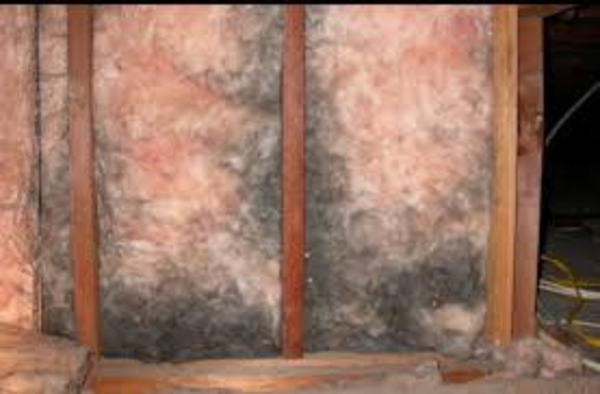
Extreme humidity on Merritt Island is not seasonal — it’s a regular part of coastal living. When moisture levels spike during long summer stretches or after heavy storm systems, homes don’t just feel uncomfortable. They absorb that moisture.
And when building materials absorb moisture, structural damage can begin quietly.
That’s where structural dryouts become critical.
In Merritt Island, structural dryouts are not just emergency services after major flooding. They are often necessary during prolonged periods of extreme humidity to prevent gradual weakening of framing, subflooring, drywall, and insulation.
Understanding how dryouts work — and when they’re needed — can prevent long-term structural problems in coastal Florida homes.
What a Structural Dryout Actually Means
A structural dryout is a controlled process designed to remove moisture from building materials — not just from the air.
It goes beyond placing a fan in a room.
A proper structural dryout targets:
- Wall framing
- Roof decking
- Subflooring
- Drywall cavities
- Insulation
- Concrete slabs
In Merritt Island homes, extreme humidity can saturate materials even without a visible water event. After a storm, small intrusions combined with high ambient moisture can leave wood and drywall damp for extended periods.
If those materials remain wet long enough, structural integrity begins to decline.
Why Extreme Humidity Is So Hard on Merritt Island Homes
Merritt Island sits between major water bodies, and that coastal positioning means the air often stays heavy with moisture.
Extreme humidity periods typically occur:
- During summer storm cycles
- After tropical systems pass offshore
- During extended rainy weeks
- When onshore winds carry moisture inland
When humidity exceeds 60% for long periods, porous materials begin absorbing moisture from the air itself.
Wood framing expands. Drywall softens. Insulation traps damp air. Even concrete slabs can wick moisture upward when the surrounding soil remains saturated.
Because coastal humidity lingers overnight, materials often never fully dry before the next humidity cycle begins.
Over time, this repeated moisture absorption weakens structural components.
Common Signs Structural Moisture Is Building Up
Structural damage rarely starts with dramatic collapse. It begins subtly.
Homeowners in Merritt Island may notice:
- Persistent musty odors
- Warped trim or baseboards
- Slight floor softening
- Doors sticking from wood expansion
- Nail pops in drywall
- Uneven cooling patterns
- Elevated indoor humidity despite AC running
These are warning signs that moisture may be accumulating within structural elements.
During extreme humidity periods, AC systems often struggle to keep up. Cooling the air is not the same as drying building materials.
Hidden Areas Most at Risk
Certain areas of Merritt Island homes are especially vulnerable during humidity spikes:
Attic spaces
Hot attic air combined with coastal humidity creates condensation on roof decking and framing.
Crawl spaces
Unsealed crawl spaces allow humid air to circulate beneath flooring systems.
Wall cavities
Moisture can become trapped between insulation and drywall.
Subflooring over slabs
High water tables and saturated soil increase vapor movement upward.
HVAC duct runs
Cold ducts in humid attics create condensation zones.
Because these areas are hidden, moisture accumulation often goes unnoticed until structural changes appear.
Why DIY Drying Methods Often Fail
When humidity rises, homeowners sometimes respond by:
- Lowering thermostat settings
- Running portable dehumidifiers
- Opening windows for airflow
- Using household fans
While these steps may improve surface comfort, they rarely remove moisture embedded within framing or subfloor materials.
Portable units typically lack the capacity to dry large structural areas. Opening windows in high humidity often introduces more moisture.
Without moisture detection tools, there’s no way to confirm whether materials have returned to safe moisture levels.
Structural dryouts require controlled airflow, professional-grade dehumidification, and ongoing monitoring.
How a Professional Structural Dryout Works
In Merritt Island homes, structural dryouts begin with proper assessment.
Visual inspection identifies visible damp areas and potential intrusion points.
Moisture detection tools measure moisture content in framing, drywall, and subflooring.
Thermal imaging can reveal hidden moisture pockets behind walls and ceilings.
Once affected areas are identified, equipment is strategically placed.
High-capacity dehumidifiers reduce ambient humidity.
Air movers increase airflow across damp surfaces.
In some cases, small access openings are created to allow airflow into wall cavities.
If mold growth is suspected, containment procedures and air scrubbing may be necessary during the process.
The goal is to return materials to safe moisture content — not just dry the air temporarily.
Why Dehumidification Is Central to the Process
In extreme humidity conditions, structural dryouts depend heavily on dehumidification.
Dehumidifiers remove moisture from both air and materials. As air becomes drier, embedded moisture migrates outward from wood and drywall.
Without dehumidification, airflow alone is insufficient.
In many Merritt Island homes near the water, installing long-term dehumidification systems after a dryout prevents recurrence during future humidity spikes.
Preventing Structural Damage During Humidity Surges
Homeowners can reduce risk by:
- Monitoring indoor humidity (ideal range 45–55%)
- Scheduling HVAC maintenance before summer
- Ensuring attic ventilation is balanced
- Sealing crawl spaces where appropriate
- Addressing minor roof or flashing issues promptly
- Scheduling inspections after major storms
- Installing whole-home dehumidification in high-risk coastal areas
Because humidity exposure is ongoing in Merritt Island, prevention must be proactive.
Why Coastal Experience Matters
Structural drying in Merritt Island differs from inland drying.
High water tables, salt air exposure, and coastal wind patterns all influence moisture behavior.
Professionals familiar with local construction understand:
- How slab foundations respond to saturated soil
- How attic ventilation affects condensation cycles
- How storm patterns impact roof integrity
- How coastal humidity alters drying timelines
This knowledge allows for accurate moisture mapping and efficient dryout planning.
Inspections and More FL works with homeowners and property managers throughout Merritt Island to identify moisture buildup early — before it progresses into structural deterioration.
When to Schedule a Structural Evaluation
If your home feels persistently humid, shows subtle signs of expansion or softening, or recently experienced storm exposure during extreme humidity conditions, it may be time to evaluate structural moisture levels.
Structural damage in coastal Florida often develops gradually — not suddenly.
The sooner moisture is stabilized, the less invasive repairs become.
Extreme humidity is a fact of life on Merritt Island.
But with timely structural dryouts, proper dehumidification, and routine inspections, that humidity doesn’t have to compromise the strength and stability of your home.
Keeping your home cool is important.
Keeping its structure dry is what truly protects it long term.
