
Behind Interior Walls in Palm Bay: A Closer Look at Dehumidification
In Palm Bay, moisture problems often begin where homeowners cannot see them — behind interior walls. What appears to be a minor stain on drywall or a faint musty odor inside a bedroom can signal elevated moisture trapped within wall cavities. In Florida’s humid coastal climate, once moisture becomes enclosed inside a wall system, it rarely dries on its own.
Interior walls contain wood framing, insulation, electrical wiring, and drywall backing. When water intrusion or prolonged humidity affects these enclosed spaces, dampness can remain long after surfaces appear dry. In Palm Bay, where outdoor humidity stays elevated most of the year, dehumidification becomes a critical step in stabilizing hidden wall environments.
Understanding how moisture behaves behind interior walls — and how professional dehumidification works — helps homeowners protect their structure before small issues become major repairs.
How Moisture Gets Behind Interior Walls
Hidden moisture inside walls typically begins with a small and often unnoticed source. Common causes in Palm Bay homes include:
- Slow plumbing leaks inside wall cavities
- Roof leaks traveling downward through framing
- Window flashing failures during heavy storms
- Wind-driven rain penetrating siding
- AC condensate line leaks
- Duct sweating in hot attic spaces
- Slab moisture migration along base plates
Because these sources release water gradually, damage may not be immediately visible. Drywall can wick moisture upward, insulation can absorb water like a sponge, and framing can hold dampness long after the initial intrusion.
By the time surface symptoms appear, moisture may already be spread across multiple wall sections.
Why Palm Bay Homes Are Especially Vulnerable
Palm Bay’s environment increases the difficulty of drying interior wall cavities.
High Coastal Humidity
Outdoor air consistently carries moisture. When humid air enters a home, wall cavities struggle to release trapped dampness.
Slab Foundation Construction
Many Palm Bay homes sit on concrete slabs. Moisture can travel from the slab edge into lower drywall and framing.
Frequent Heavy Rain
Wind-driven rain during summer storms can introduce water into small exterior gaps.
Warm Temperatures
Heat accelerates microbial activity inside damp materials.
Because of these conditions, moisture behind walls often lingers longer than homeowners expect.
What Happens When Moisture Remains Behind Walls
When wall cavities stay damp, several structural issues can develop:
- Insulation loses thermal performance
- Wood framing absorbs moisture
- Drywall backing softens
- Fasteners begin to corrode
- Indoor humidity rises
- Musty odors become persistent
Left untreated, elevated moisture may support mold growth inside enclosed spaces.
The challenge is that interior walls restrict airflow. Natural evaporation is slow without intervention.
Why Household Drying Methods Are Not Enough
Homeowners often respond by running fans or placing a portable dehumidifier in the room. While this may dry surface air, it rarely dries materials inside wall cavities.
Wall cavities are enclosed compartments. Air circulation does not naturally reach insulation and framing inside them. Moisture trapped behind drywall can remain elevated even if the room feels dry.
Surface dryness does not equal internal dryness.
Professional dehumidification addresses both the air and the hidden materials.
How Professional Dehumidification Works Behind Walls
Effective drying behind interior walls in Palm Bay follows a structured process.
1. Moisture Detection
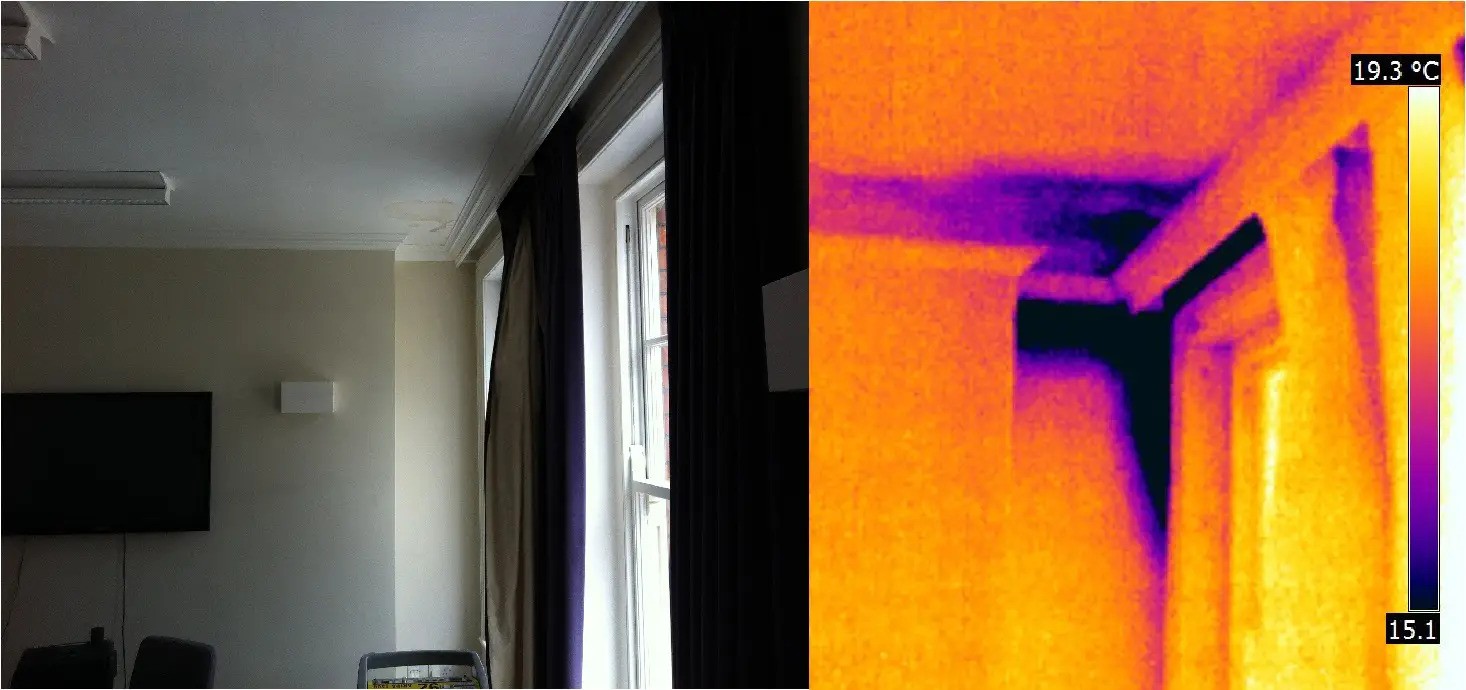
Moisture meters and thermal imaging identify damp areas inside wall cavities without unnecessary demolition.
2. Targeted Access
Small openings may be created at strategic points to allow airflow inside the cavity.
3. Directed Airflow
Air movers push controlled airflow along the wall surface and into cavity openings.
4. Commercial Dehumidifiers
High-capacity units remove moisture from indoor air, accelerating evaporation from framing and insulation.
5. Continuous Monitoring
Moisture readings are taken regularly to confirm progress.
6. Insulation Evaluation
If insulation is heavily saturated, removal may be necessary to achieve full drying.
Professionals such as Inspections and More FL understand how Palm Bay’s humidity affects drying speed and adjust equipment placement accordingly.
Cost Factors in Behind-Wall Dehumidification
Several variables influence the cost of drying interior walls.
Size of the Affected Area
Larger wall sections require more airflow and equipment.
Duration of Moisture Exposure
The longer moisture remains, the deeper it penetrates materials.
Accessibility
Multi-story homes or tight wall spaces increase labor time.
Insulation Replacement
Wet insulation may require removal and replacement.
Equipment Operation Time
Commercial dehumidifiers and air movers may run for multiple days.
Early detection significantly reduces these cost factors.
Signs Moisture May Be Present Behind Walls
Palm Bay homeowners should watch for:
- Musty or stale odors
- Bubbling or peeling paint
- Warped baseboards
- Soft or spongy drywall
- Stains that reappear after cleaning
- Elevated indoor humidity levels
These symptoms often indicate hidden dampness inside wall cavities.
Prompt inspection prevents further spread.
Why Delaying Dehumidification Increases Risk
When moisture remains trapped behind walls:
- It can migrate into adjacent rooms
- It may raise overall indoor humidity
- Structural framing can weaken
- Mold growth becomes more likely
- Repairs become more invasive and costly
In Palm Bay’s humid climate, waiting even a few weeks can increase the extent of drying required.
Early dehumidification protects structural components and reduces long-term expense.
Long-Term Prevention Strategies
Preventing recurring wall moisture requires consistent maintenance.
- Inspect plumbing connections regularly
- Maintain roof flashing and exterior seals
- Monitor indoor humidity levels
- Clean AC condensate lines
- Improve attic ventilation
- Schedule inspections after major storms
Proactive moisture management reduces the likelihood of behind-wall drying projects.
Why Local Experience Matters
Palm Bay’s coastal environment influences how moisture behaves inside homes. Slab foundations, groundwater levels, and seasonal storms create unique drying challenges.
Local professionals understand:
- How moisture migrates along base plates
- How humidity affects wall cavity drying
- When insulation must be removed
- How long structural drying typically takes in Florida
Inspections and More FL works within these environmental conditions regularly, providing practical and accurate moisture solutions.
A Practical Perspective on Interior Wall Drying
Moisture behind interior walls in Palm Bay homes is rarely obvious at first. What begins as a small plumbing leak or storm-related intrusion can quietly develop into a larger structural issue.
Professional dehumidification ensures that moisture is removed not only from the air but from inside wall cavities where problems often begin.
In Florida’s demanding coastal climate, early detection and structured drying protect framing, insulation, and indoor stability. Addressing hidden moisture promptly keeps minor concerns from becoming major repairs and preserves the long-term integrity of your Palm Bay home.
