
How Mold Encapsulation Protects Properties in Cocoa During Storm Season
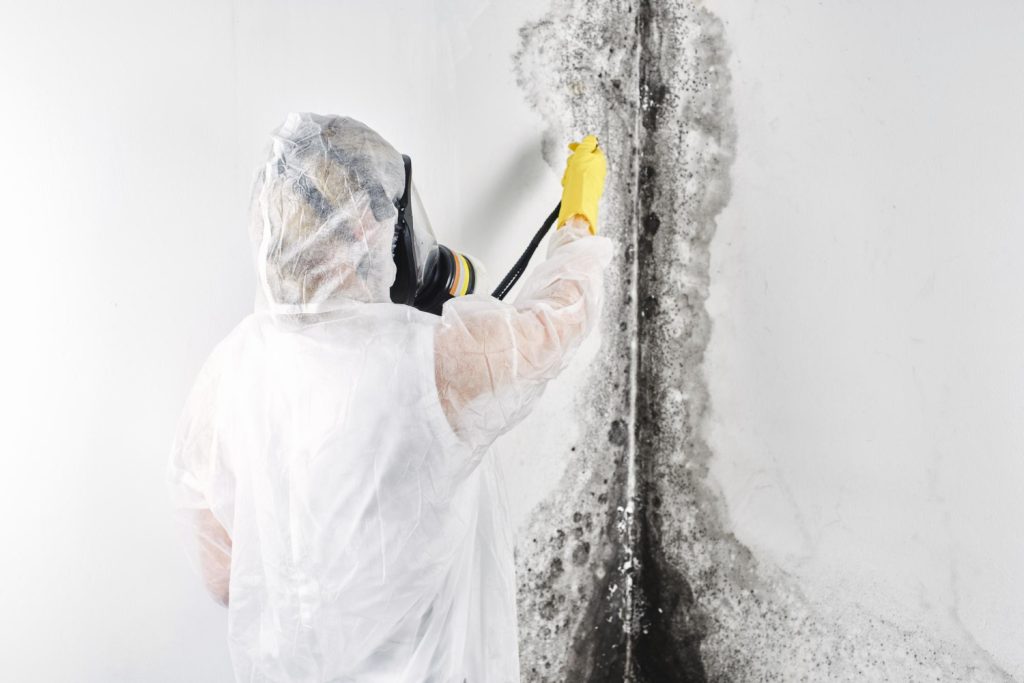
Storm season in Cocoa isn’t just about wind and rain. It’s about what happens afterward.
Between tropical systems, stalled summer thunderstorms, and days of high humidity near the Indian River Lagoon, properties in Cocoa face repeated moisture exposure from June through November. Even homes that avoid direct flooding often experience elevated humidity, minor roof intrusion, or AC condensation overload during heavy storm cycles.
When mold develops during or after storm season, proper removal is essential. But long-term protection often requires one additional step: mold encapsulation.
Let’s explore how encapsulation works, why it becomes especially valuable during Cocoa’s storm season, and how it protects properties beyond basic remediation.
Why Storm Season Creates Mold Risk in Cocoa
Cocoa’s coastal environment intensifies storm-related moisture problems.
Wind-Driven Rain
Strong coastal winds push rain under roof shingles, through soffits, and around window frames. Water can enter wall cavities without obvious exterior damage.
Elevated Groundwater
Heavy rainfall saturates soil quickly. Slab foundations absorb ground moisture, increasing vapor transmission into living spaces.
Prolonged Humidity
After storms pass, humidity remains high for days. Materials that became damp during rainfall struggle to dry naturally.
AC System Strain
Air conditioners work overtime to manage humidity. Clogged condensate lines during peak humidity events can add internal moisture to storm-related exposure.
All of these factors create ideal conditions for mold growth on:
- Roof sheathing
- Wall framing
- Subfloors
- Crawl space joists
- Concrete slabs
Storm season isn’t a single event — it’s a sustained period of moisture stress.
What Mold Encapsulation Actually Does
Mold encapsulation is a protective coating applied after proper mold remediation and drying.
It is not a shortcut or a way to cover up contamination.
Encapsulation:
- Seals porous structural surfaces
- Locks down microscopic residues
- Adds moisture resistance
- Helps prevent future microbial growth
In Cocoa properties during storm season, encapsulation is commonly applied to:
- Attic roof decking
- Crawl space framing
- Subfloors beneath removed flooring
- Exposed wall studs
- Concrete slab surfaces
It strengthens treated areas against Florida’s recurring humidity.
Why Mold Often Returns Without Encapsulation
One of the most common lessons learned in Cocoa properties is that mold can return if only surface cleaning is performed.
Storm season brings repeated humidity spikes. Even after proper mold removal, porous materials remain vulnerable.
Without encapsulation:
- Framing absorbs moisture again
- Slab vapor penetrates upward
- Residual spores reactivate
- Humidity fluctuations trigger regrowth
Encapsulation adds a defensive barrier during months when moisture pressure remains high.
Common Storm-Related Mold Locations in Cocoa
During and after storm season, inspections often uncover mold in:
Attics
Wind-driven rain and high humidity affect roof sheathing and insulation.
Crawl Spaces
Ground saturation increases vapor levels below homes.
Under Flooring
Slab moisture rises during prolonged rainfall.
Air Handler Closets
Condensation issues worsen during heavy humidity cycles.
Encapsulation becomes part of the stabilization plan once moisture sources are corrected.
The Proper Process Before Encapsulation
Encapsulation must follow a structured sequence.
Step 1: Moisture Detection
Using thermal imaging and moisture meters to confirm affected areas.
Step 2: Source Correction
Repairing roof leaks, improving drainage, clearing AC drain lines.
Step 3: Mold Removal
Cleaning or removing contaminated materials.
Step 4: Structural Drying
Using air movers and dehumidifiers to reach safe moisture levels.
Step 5: Surface Preparation
Ensuring framing or slab surfaces are clean and dry.
Step 6: Encapsulation Application
Applying professional-grade antimicrobial sealant evenly.
Encapsulation is only effective when applied to properly dried surfaces.
How Encapsulation Adds Storm Season Protection
During Cocoa’s storm season, encapsulation provides several benefits.
Moisture Resistance
Sealants reduce vapor penetration into treated surfaces.
Stabilization of Porous Materials
Wood framing and subfloors become less susceptible to humidity fluctuations.
Odor Control
Encapsulation helps lock down residual staining and odor sources.
Reduced Recurrence Risk
Homes treated properly are less likely to experience repeat growth during subsequent storms.
Storm season often brings back-to-back humidity spikes. Encapsulation helps treated materials withstand those cycles.
Long-Term Moisture Management During Storm Season
Encapsulation works best alongside ongoing prevention strategies.
Cocoa homeowners can:
- Inspect roofs before hurricane season
- Maintain gutters and drainage systems
- Flush AC condensate lines quarterly
- Improve attic ventilation
- Install crawl space vapor barriers
- Monitor indoor humidity
- Schedule post-storm moisture evaluations
Storm season requires proactive attention.
Why Local Experience in Cocoa Matters
Cocoa properties face unique coastal conditions.
Local professionals understand:
- Indian River Lagoon humidity patterns
- Salt air corrosion effects
- Slab foundation vapor behavior
- Storm surge moisture pathways
- Attic ventilation challenges
Experience across Cocoa, Palm Bay, Melbourne, Merritt Island, and Sanford provides insight into how storm-related moisture behaves in Florida homes.
Inspections and More FL approaches encapsulation as part of a complete moisture management plan tailored to local conditions.
A Calm, Practical Recommendation
If your Cocoa property experienced mold during storm season — or if you’ve had repeated humidity-related issues — it’s worth evaluating whether encapsulation should be part of the solution.
Encapsulation isn’t about covering up a problem. It’s about strengthening properly treated surfaces against Florida’s recurring moisture stress.
Storm season may return every year. With correct remediation, controlled drying, and protective encapsulation, your property can remain stable through each cycle.
Managing moisture proactively protects both your structure and your long-term investment.
Image Generation Prompts
- Attic roof sheathing coated with white antimicrobial encapsulation sealant in Cocoa Florida home, no people, no text, realistic lighting
- Crawl space floor joists sealed with mold encapsulation coating and vapor barrier installed, no people, clean realistic environment
