
Dehumidification in Palm Bay in Coastal Properties: When to Schedule an Evaluation
Living in Palm Bay’s coastal areas comes with steady ocean breezes, warm temperatures, and unfortunately, persistent humidity. For many homeowners, high indoor humidity feels like a normal part of Florida life. But in coastal properties, excessive moisture inside the home is more than just discomfort — it can quietly lead to structural damage, mold growth, and long-term indoor air quality concerns.
Dehumidification isn’t just something you think about after flooding or visible water damage. In Palm Bay’s coastal climate, it often becomes necessary even without a major water event. The key question many property owners ask is: When should I schedule a professional evaluation?
Understanding how humidity behaves in coastal homes helps answer that clearly.
Why Coastal Palm Bay Properties Struggle With Humidity
Palm Bay sits close enough to the Atlantic to feel the constant influence of salt air and moisture-laden breezes. Even on sunny days, the air holds a high moisture content.
Coastal properties deal with:
- Elevated year-round humidity
- Heavy seasonal rain
- Wind-driven moisture infiltration
- Salt air corrosion affecting seals and materials
- Warm temperatures that slow drying
Homes near the coast often experience humidity levels that remain consistently above 60% if not properly controlled.
When indoor humidity rises above safe levels, moisture begins to affect building materials — even without visible leaks.
What Dehumidification Really Does
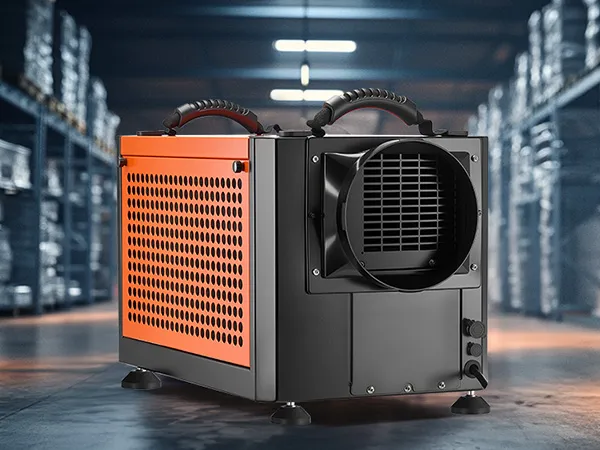
Professional dehumidification reduces moisture levels inside the air and building materials. Unlike simply running your air conditioner, dedicated dehumidification systems:
- Remove excess water vapor from the air
- Stabilize indoor humidity
- Support drying of damp materials
- Reduce mold growth risk
- Improve indoor comfort
In coastal Palm Bay homes, dehumidification often works alongside HVAC systems to maintain balanced indoor conditions.
Signs It’s Time to Schedule an Evaluation
Many homeowners assume they’ll know when there’s a serious humidity issue. In reality, the signs are often subtle.
You should consider scheduling a dehumidification evaluation if you notice:
- Persistent musty odors
- Windows frequently fogging inside
- Sticky or damp feeling air
- Warped baseboards or trim
- Peeling paint
- Air conditioner running constantly
- Indoor humidity readings above 55–60%
- Mold spots appearing in corners or closets
Even if these signs seem minor, they may indicate a larger humidity imbalance inside the structure.
Why AC Alone Isn’t Always Enough
Air conditioning systems remove some moisture during cooling cycles. But in coastal Palm Bay homes, AC units often struggle to keep up.
Common issues include:
- Oversized units that cool too quickly without dehumidifying
- Poor attic insulation increasing heat load
- Leaky ductwork drawing in humid air
- Short cycling that limits moisture removal
When AC systems cannot adequately manage humidity, indoor moisture levels rise quietly.
Dehumidification systems are specifically designed to target moisture control, not just temperature.
When to Schedule an Evaluation After Heavy Rain
Palm Bay frequently experiences heavy summer rainstorms and tropical weather patterns. Even if your home didn’t flood, extended rain can elevate indoor humidity significantly.
You should schedule an evaluation if:
- Your home feels noticeably more humid after a storm
- You smell dampness days after rainfall
- Flooring feels slightly warm or damp
- HVAC seems to struggle more than usual
Storm-driven humidity can penetrate through:
- Exterior wall systems
- Window seals
- Roof systems
- Attic ventilation
Professional evaluation ensures moisture levels return to safe ranges.
Coastal Construction and Moisture Movement
Many coastal Palm Bay homes use construction methods that are durable but still susceptible to humidity buildup.
Slab foundations can allow vapor intrusion when soil remains saturated. Stucco exteriors can retain moisture after storms. Attics may trap humid air if ventilation is unbalanced.
Moisture doesn’t need visible water to create damage. Prolonged elevated humidity alone can:
- Swell wood framing
- Soften drywall
- Weaken adhesives
- Encourage microbial growth
Scheduling a dehumidification evaluation helps determine whether indoor moisture is environmental or structural.
After Plumbing Leaks or Minor Water Intrusion
Even small plumbing leaks can leave residual moisture behind walls or beneath flooring.
In coastal environments like Palm Bay, that residual moisture dries slowly. Without proper dehumidification, damp materials may remain saturated longer than expected.
If you’ve recently experienced:
- A leaking supply line
- Water heater malfunction
- Appliance overflow
- AC condensation issue
an evaluation ensures moisture levels have stabilized fully.
High Water Tables and Vapor Intrusion
Palm Bay’s coastal geography includes areas with elevated water tables. When soil moisture increases, vapor pressure beneath slab foundations can push moisture upward into homes.
This process is often invisible but may cause:
- Flooring adhesive breakdown
- Tile grout darkening
- Subtle musty smells
- Persistent humidity readings
A professional moisture and humidity assessment can determine whether vapor intrusion is contributing to indoor moisture imbalance.
Why DIY Solutions Often Fall Short
Many homeowners attempt to manage humidity by:
- Purchasing portable dehumidifiers
- Running AC continuously
- Opening windows for airflow
- Using fans
Portable units may help small spaces but rarely address whole-home humidity issues.
Opening windows in Palm Bay often introduces more humid air, worsening the situation.
Professional dehumidification strategies consider:
- Home size
- Airflow patterns
- Insulation performance
- Structural moisture levels
- HVAC integration
Without evaluating the full system, DIY approaches often treat symptoms rather than causes.
What a Professional Evaluation Includes
A thorough dehumidification evaluation in a Palm Bay coastal property may include:
- Indoor humidity measurements
- Moisture meter readings on walls and flooring
- Thermal imaging to detect hidden dampness
- HVAC system assessment
- Inspection of attic and crawl spaces
- Exterior drainage review
This process identifies whether humidity is coming from:
- Structural intrusion
- Poor ventilation
- HVAC imbalance
- Slab vapor migration
Companies like Inspections and More FL approach coastal humidity issues with a full-property perspective rather than focusing on a single room.
Preventing Long-Term Moisture Issues
In coastal Palm Bay homes, prevention is ongoing.
Homeowners can reduce risk by:
- Monitoring indoor humidity with digital hygrometers
- Servicing HVAC systems regularly
- Ensuring proper attic ventilation
- Maintaining roof integrity
- Sealing exterior penetrations
- Scheduling routine property evaluations
Maintaining indoor humidity below 55% is ideal for preventing mold and material deterioration.
Why Local Coastal Experience Matters
Humidity management in Palm Bay differs from inland areas.
Professionals familiar with:
- Coastal wind patterns
- Salt air impact
- High water table behavior
- Slab foundation vapor movement
- Florida building materials
are better equipped to recommend effective dehumidification strategies.
Inspections and More FL works with coastal properties throughout Palm Bay, understanding how Florida’s climate interacts with residential construction.
Local experience ensures accurate diagnosis and practical solutions.
A Practical Time to Schedule an Evaluation
If your coastal Palm Bay property feels consistently humid, develops recurring musty odors, or struggles to maintain comfortable indoor conditions, it’s time to consider scheduling an evaluation.
You don’t need visible flooding to justify it. Persistent humidity alone can slowly impact structural materials.
In Florida’s coastal environment, proactive moisture management protects both comfort and long-term property value.
When humidity becomes a pattern rather than an occasional issue, that’s your sign. Scheduling a professional dehumidification evaluation ensures your home remains stable, dry, and well-protected in Palm Bay’s demanding coastal climate.
