
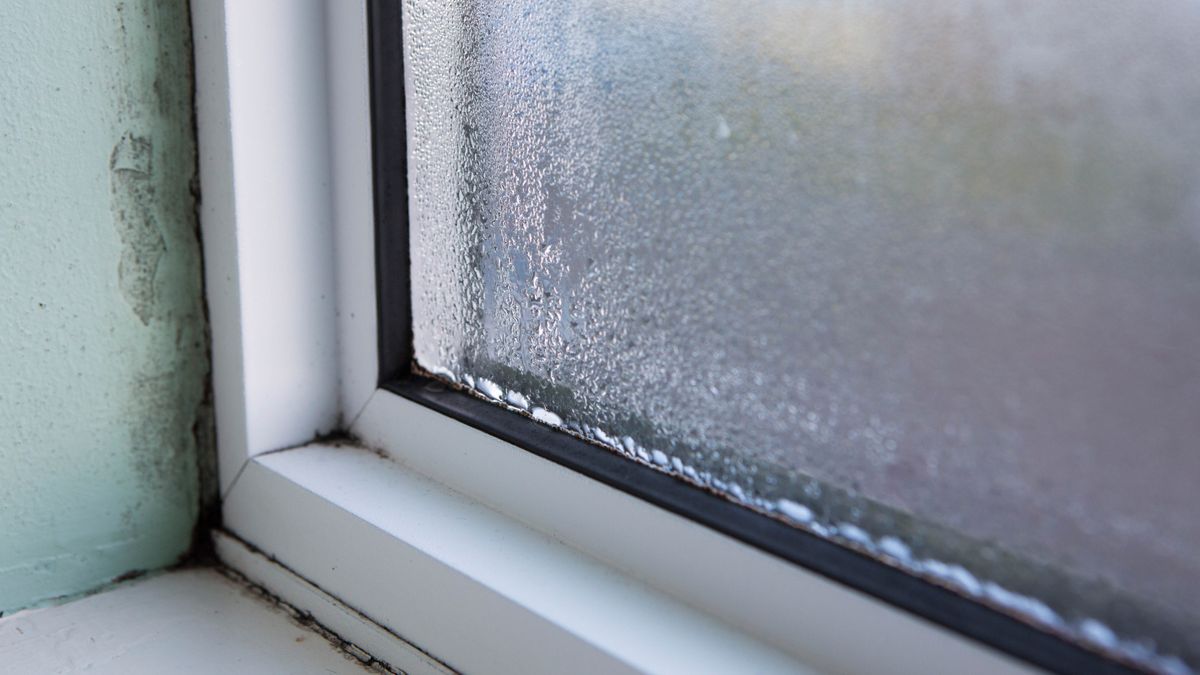
Dehumidification in Palm Bay Rental Properties: Long-Term Protection Strategies
Owning rental property in Palm Bay comes with predictable challenges. Turnovers. AC maintenance. Storm season prep. And one issue that quietly affects almost every unit at some point — humidity.
In Florida, moisture isn’t occasional. It’s constant. When indoor humidity isn’t properly managed, it doesn’t just create comfort complaints. It affects drywall, insulation, flooring systems, and long-term property value.
For landlords and property managers in Palm Bay, Melbourne, Cocoa, and surrounding areas, dehumidification isn’t just a short-term fix after water intrusion. It’s a long-term protection strategy.
Let’s look at how dehumidification protects rental properties and what strategies help prevent recurring issues.
Why Rental Properties in Palm Bay Face Higher Moisture Risk
Rental properties operate differently than owner-occupied homes.
Common factors include:
- Tenants lowering AC usage to reduce power bills
- Windows occasionally left open during humid days
- Blocked vents from furniture placement
- Delayed reporting of minor leaks
- High occupancy rates increasing indoor moisture
In Palm Bay’s humidity, even small changes in AC usage or ventilation habits can increase indoor moisture levels quickly.
Rental properties also often have consistent occupancy turnover, meaning systems are constantly adjusting to new usage patterns.
Humidity builds quietly — especially in multi-unit buildings or older construction.
What Happens When Humidity Isn’t Controlled
When indoor humidity stays elevated over time, materials begin absorbing moisture.
That can lead to:
- Warped baseboards
- Bubbling paint
- Damp drywall behind furniture
- Musty odors
- Soft spots near slab edges
- Increased AC strain
- Insulation losing effectiveness
Left unchecked, prolonged humidity can contribute to mold growth behind walls and inside closets.
That’s where structured dehumidification plays a key role.
The Role of Dehumidification in Rental Properties
Dehumidification removes excess moisture from the air before it saturates building materials.
In Palm Bay rental units, this is especially important because:
- AC systems run frequently but don’t always maintain optimal humidity levels
- High outdoor humidity can infiltrate when doors and windows are opened
- Slab-on-grade foundations may release vapor during heavy rain seasons
A controlled indoor humidity environment protects both the building and the tenant experience.
When Rental Properties Most Need Dehumidification
Certain scenarios increase moisture risk in Palm Bay rentals:
After storms
Even minor roof or window intrusion can elevate humidity inside walls.
After plumbing leaks
Wall cavities may hold moisture long after surface repairs.
AC system inefficiencies
Short cycling or clogged drain lines increase condensation.
Vacant units
If AC systems are turned off between tenants, humidity builds quickly.
High occupancy periods
More people inside a unit means more moisture from daily activities.
Dehumidification can be used reactively after intrusion or proactively to maintain stable conditions.
Step-by-Step: How Professional Dehumidification Protects Rentals
Step 1: Moisture Detection
Before placing equipment, technicians evaluate:
- Indoor humidity levels
- Drywall moisture readings
- Slab moisture levels
- HVAC system performance
- Attic or ceiling cavity conditions
Moisture mapping ensures equipment placement is targeted.
Step 2: Source Correction
Drying cannot succeed if the moisture source remains active.
This may involve:
- Clearing AC drain lines
- Repairing roof leaks
- Sealing windows
- Fixing plumbing
- Adjusting ventilation systems
Long-term protection always starts with correcting the source.
Step 3: Equipment Placement
Commercial-grade dehumidifiers are installed in affected areas.
Air movers may be used to increase evaporation from damp surfaces.
In larger rental complexes, multiple units may be needed for consistent coverage.
Step 4: Controlled Humidity Stabilization
Dehumidifiers operate until indoor humidity reaches stable levels.
Monitoring ensures:
- Drywall moisture returns to acceptable ranges
- Slab moisture levels decrease
- Insulation remains dry
In Palm Bay’s climate, this step prevents recurring dampness.
Step 5: Ongoing Monitoring
For long-term protection, landlords may implement:
- Periodic humidity checks
- Seasonal moisture inspections
- HVAC performance reviews
Preventative monitoring avoids emergency remediation later.
Long-Term Dehumidification Strategies for Property Managers
To protect rental properties in Palm Bay, consider these strategies:
Maintain AC Systems Proactively
Regular maintenance reduces:
- Drain line clogs
- Condensate overflow
- Short cycling
- Airflow imbalances
AC systems are the first line of humidity control.
Monitor Indoor Humidity
Installing simple digital hygrometers in units provides early warning signs.
If humidity regularly exceeds stable ranges, adjustments can be made before damage occurs.
Keep AC Running in Vacant Units
Turning systems off during vacancies allows humidity to build rapidly.
Even low-level operation helps prevent material absorption.
Inspect After Major Storms
Heavy rainfall can elevate slab moisture and attic humidity.
Quick inspections prevent hidden damage.
Schedule Routine Moisture Evaluations
Periodic inspections by professionals familiar with Palm Bay’s climate can identify:
- Minor condensation patterns
- Slab vapor concerns
- Early-stage moisture behind walls
Companies like Inspections and More FL often help rental property owners implement moisture-first strategies to reduce long-term repair costs.
Why Palm Bay’s Climate Demands a Proactive Approach
Florida’s humidity doesn’t take a break.
Palm Bay properties face:
- Extended humid seasons
- Storm-driven moisture
- High groundwater levels
- Salt exposure affecting HVAC components
- Slab foundations prone to vapor migration
In this environment, waiting until mold appears is expensive.
Proactive dehumidification reduces:
- Structural deterioration
- Tenant complaints
- Insurance claims
- Turnover-related repairs
- Large-scale remediation projects
Humidity control is far less costly than demolition and rebuild.
The Financial Advantage of Long-Term Moisture Control
For rental property owners, dehumidification protects:
- Interior finishes
- Flooring investments
- HVAC equipment
- Tenant satisfaction
- Property resale value
Stable indoor humidity also reduces odor issues that often lead to vacancy delays.
Moisture prevention is an operational strategy — not just a repair tactic.
A Practical Next Step for Palm Bay Landlords
If you manage rental properties in Palm Bay and notice recurring humidity concerns, musty odors, or minor drywall issues, don’t wait for visible mold.
A structured moisture evaluation provides clarity on:
- Current humidity conditions
- Hidden moisture levels
- HVAC performance
- Slab vapor concerns
Dehumidification, when used proactively, protects the property long term and reduces expensive emergency remediation later.
In Florida’s climate, moisture management isn’t optional. It’s part of responsible property ownership.
