How Moisture Detection Protects Properties in Melbourne After Roof Failures
In Melbourne, roof failures don’t always announce themselves with a dramatic ceiling collapse.
Sometimes it starts with a few lifted shingles after a storm. A small flashing gap around a vent pipe. Minor wind-driven rain during hurricane season. The visible damage may look limited — but what happens beneath the surface is where the real risk begins.
When roofing systems fail in Melbourne’s humid coastal climate, moisture doesn’t just drip and dry. It spreads. It absorbs into insulation, drywall, and framing. And if it isn’t properly detected early, structural damage and mold growth can develop quietly.
What Happens After a Roof Failure in Melbourne
Roof damage allows water intrusion in ways homeowners don’t always expect.
Common entry points include:
- Lifted shingles
- Damaged underlayment
- Cracked flashing
- Compromised ridge vents
- Failed skylight seals
- Wind-driven rain penetration
In Melbourne, heavy storms combined with coastal winds push water sideways under roofing materials. That water may travel several feet before dripping down.
By the time a ceiling stain appears, moisture may already be sitting inside insulation and framing.
Why Roof Leaks Are More Complicated in Coastal Florida
Melbourne’s climate makes roof-related moisture problems more severe.
High Humidity
Even small leaks dry slowly in Florida’s moisture-heavy air.
Salt Air Exposure
Salt can weaken fasteners and flashing over time.
Frequent Storm Cycles
Repeated rain events compound minor damage.
Attic Heat
Hot attic spaces trap moisture and accelerate material deterioration.
Hurricane Season
Wind-driven rain can enter through even small roof gaps.
These environmental factors mean that once moisture enters, it rarely evaporates quickly on its own.
Why Visual Inspection Isn’t Enough
After a roof failure, many homeowners rely on surface checks.
They may:
- Look for ceiling stains
- Feel drywall for dampness
- Check for dripping water
- Replace damaged shingles
The problem is that moisture often spreads before visible damage appears.
Water can:
- Soak insulation
- Saturate roof decking
- Travel along rafters
- Collect inside wall cavities
- Pool above ceiling drywall
Without professional moisture detection tools, these hidden damp zones remain untreated.
How Moisture Detection Works
Moisture detection focuses on identifying water intrusion inside building materials — not just on the surface.
In Melbourne homes, professionals may use:
Moisture Meters
These measure dampness in drywall, wood framing, and subfloors.
Thermal Imaging
Infrared cameras identify temperature differences caused by moisture behind walls and ceilings.
Attic Evaluations
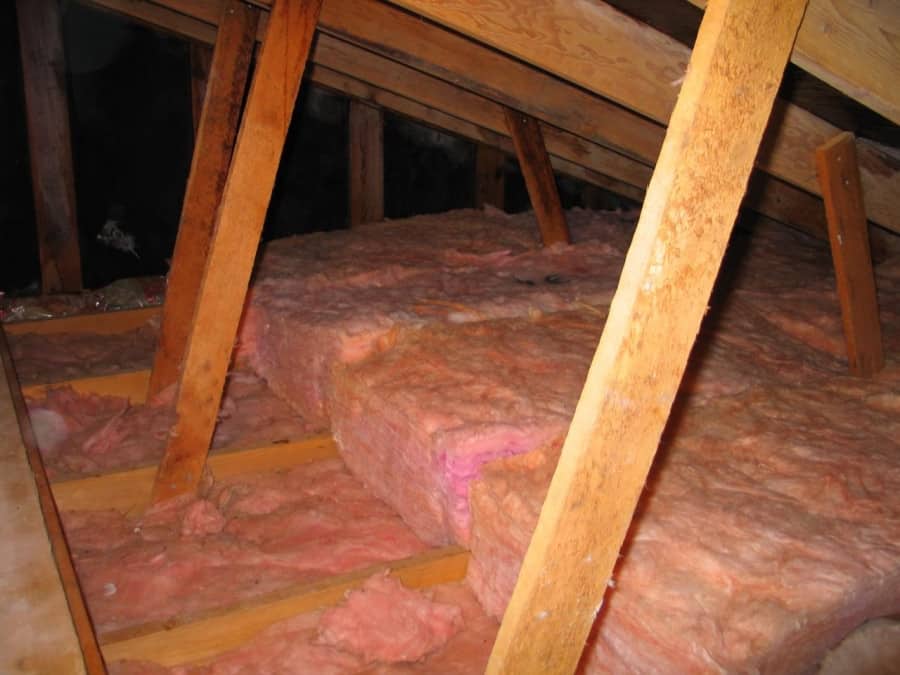
Inspecting insulation for saturation and roof decking for hidden leaks.
Humidity Monitoring
Tracking indoor moisture levels after repairs.
Exterior Roof Assessment
Checking for ongoing vulnerabilities.
Companies like Inspections and More FL use these methods to pinpoint hidden moisture before structural damage develops.
Areas Most at Risk After Roof Failures
In Melbourne properties, roof leaks often affect:
Attic Insulation
Water soaks insulation before reaching ceilings.
Roof Decking
Plywood decking can weaken if repeatedly saturated.
Ceiling Joists
Moisture traveling along rafters may affect framing.
Interior Wall Cavities
Water can move downward inside walls.
HVAC Ductwork in Attics
Duct insulation may trap moisture and spread contamination.
Early detection prevents these areas from remaining damp long enough to support mold growth or wood rot.
Structural Risks If Moisture Goes Undetected
If moisture remains inside building materials, it can lead to:
- Wood rot in rafters
- Roof decking deterioration
- Insulation collapse
- Ceiling sagging
- Mold development
- Fastener corrosion
Melbourne’s humid climate accelerates this process.
Salt air exposure can also speed up corrosion once materials become wet.
Early moisture detection reduces long-term structural repair costs.
The Role of Moisture Detection in Preventing Mold
Mold requires moisture to grow.
After roof failures, damp insulation and framing create ideal conditions. Even if the visible leak stops, trapped moisture may remain for weeks.
Moisture detection allows professionals to:
- Identify damp zones
- Determine drying needs
- Prevent mold colonization
- Avoid unnecessary demolition
When paired with structural dryout and dehumidification, early detection protects indoor air quality.
Professional Drying After Roof Failures
If moisture is detected, the next step may involve:
Controlled Containment
Isolating affected areas.
Removal of Saturated Materials
Replacing insulation if necessary.
Structural Drying
Using air movers and dehumidifiers to restore safe moisture levels.
Air Scrubbing
Filtering airborne particles during drying.
Monitoring
Ensuring materials return to baseline moisture readings.
Skipping proper drying often leads to recurring ceiling stains and hidden mold issues.
Why Timing Matters in Melbourne
After a storm passes, many homeowners focus on exterior roof repairs first.
But waiting weeks to evaluate interior moisture increases risk.
Melbourne’s humidity slows evaporation, meaning moisture remains trapped longer than expected.
Scheduling a moisture inspection soon after roof damage:
- Reduces mold risk
- Protects framing
- Prevents insulation collapse
- Limits repair scope
- Avoids structural weakening
Early action is almost always less expensive than delayed remediation.
Preventing Future Roof-Related Moisture Problems
Melbourne homeowners can reduce risk by:
Inspecting Roofs After Major Storms
Even minor shingle movement can allow water intrusion.
Checking Attics Seasonally
Look for damp insulation or discoloration.
Monitoring Indoor Humidity
Keep levels below 60%.
Repairing Flashing Promptly
Small gaps become larger issues over time.
Scheduling Professional Evaluations
Especially after hurricane season.
Homes in Palm Bay, Cocoa, Merritt Island, and Sanford face similar storm pressures, but Melbourne’s coastal exposure increases vulnerability.
Why Local Experience Matters
Roof failures in Florida behave differently than in drier climates.
Professionals familiar with Melbourne understand:
- Wind-driven rain patterns
- Coastal humidity cycles
- Common roofing vulnerabilities
- Attic ventilation challenges
- Salt air effects on materials
Inspections and More FL approaches roof-related moisture with a prevention-focused mindset — locating hidden damp areas before they become structural problems.
That local experience improves accuracy and reduces unnecessary demolition.
Protecting Your Property After Roof Damage
A repaired roof does not automatically mean a dry home.
Hidden moisture left behind after roof failures can slowly compromise structural components and indoor air quality.
Moisture detection provides clarity.
It identifies whether:
- Insulation is saturated
- Framing is damp
- Ceiling cavities require drying
- Mold risk is present
In Melbourne’s humid climate, early moisture evaluation is one of the most effective ways to protect your property after storm damage.
Acting quickly protects your structure, your indoor air, and your long-term investment.