
How Air Blower Installation Protects Properties in Sanford When AC Condensation Becomes a Problem
In Sanford, air conditioning systems run for most of the year. Between long summers, humid afternoons, and warm evenings, AC units rarely get a break. While these systems are designed to remove moisture from indoor air, they also produce condensation as part of normal operation.
When that condensation isn’t draining properly — or when ducts and components begin to sweat excessively — moisture can quietly build up inside walls, ceilings, and floors. What starts as a small condensation issue can quickly turn into a structural moisture problem.
That’s where professional air blower installation becomes a key protective step. In Sanford’s humid climate, controlled airflow is often the difference between minor inconvenience and long-term damage.
What the Issue Is
Air conditioning systems remove humidity by pulling moisture from indoor air. That moisture is supposed to exit through condensate drain lines. But when something goes wrong — clogged lines, improper insulation, restricted airflow, or aging equipment — condensation begins to collect where it shouldn’t.
Common problem areas include:
- AC closets
- Ceiling cavities near air handlers
- Around supply vents
- Inside wall cavities where ducts run
- Beneath slab-level flooring near interior walls
Moisture from condensation may drip slowly over time. It may not cause a dramatic leak, but it saturates drywall, insulation, and framing gradually.
Without intervention, that moisture remains trapped.
Why This Happens So Often in Sanford
Sanford’s environment amplifies condensation issues.
High Indoor-Outdoor Humidity Difference
When hot, humid outdoor air meets cold AC-cooled surfaces, condensation forms easily.
Continuous System Operation
AC systems in Sanford often run nearly nonstop. Extended runtime increases the volume of condensation produced.
Slab Foundation Construction
Many Sanford homes are built on slab foundations. When condensation drips near floor level, moisture can migrate along slab edges and into lower wall cavities.
Aging Ductwork and Insulation
Older homes may have deteriorating duct insulation. Exposed metal ducts can sweat heavily in high humidity.
Clogged or Poorly Maintained Drain Lines
Blocked condensate lines are one of the most common causes of hidden moisture buildup.
In Florida’s climate, condensation issues rarely resolve themselves without active drying.
Common Signs Property Owners Notice
When AC condensation becomes a problem, homeowners may notice subtle indicators before major damage occurs.
These may include:
- Musty odors near vents
- Damp drywall around AC closets
- Soft spots near supply registers
- Ceiling stains below attic ductwork
- Warped baseboards
- Increased indoor humidity despite AC use
Sometimes homeowners assume a roof leak is the cause, when the real issue is condensation inside the home’s mechanical system.
Hidden Moisture Areas That Require Attention
Condensation-related moisture often hides in areas that aren’t immediately visible.
Behind Interior Walls
Cold ducts inside warm walls create surface condensation, which soaks insulation and framing.
Under Flooring
Moisture dripping along slab edges can spread beneath laminate or engineered wood flooring.
Inside Ceiling Cavities
Condensation around air handlers or return lines may saturate insulation above living spaces.
Inside Closet and Utility Spaces
Enclosed areas with limited airflow trap moisture longer.
Because these areas lack natural ventilation, drying requires targeted airflow.
Why DIY Drying Is Usually Not Enough
When homeowners notice dampness, they often try placing household fans nearby.
While helpful as an immediate response, DIY efforts typically fall short.
Insufficient Air Velocity
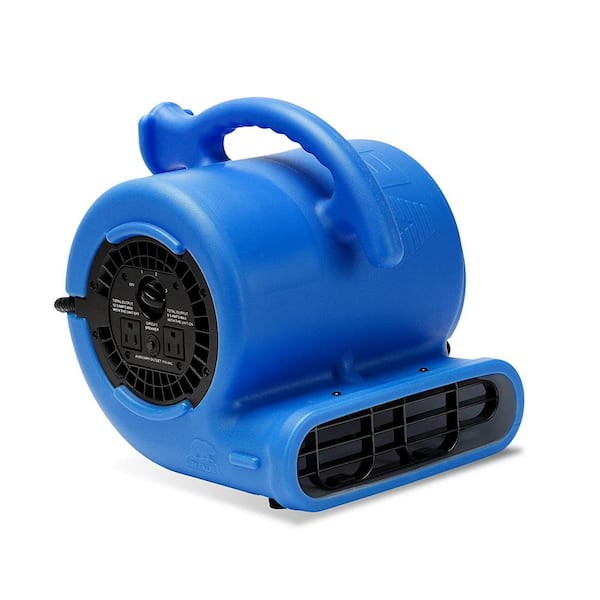
Professional air movers are designed to produce high-velocity airflow across surfaces. Household fans circulate air but do not create focused drying patterns.
No Moisture Verification
Without professional moisture meters, it’s impossible to confirm when materials are fully dry.
Humidity Remains High
Drying requires removing moisture from the air as well as from surfaces. In Sanford’s climate, dehumidification must accompany airflow.
Hidden Cavities Go Untreated
Air directed into open rooms may not reach behind drywall or beneath flooring.
Proper air blower installation ensures airflow is directed where it’s needed most.
Professional Inspection & Detection Explained
Before air blower installation begins, a structured inspection determines the extent of moisture spread.
In Sanford properties, this process typically includes:
Visual Assessment
Inspecting AC closets, ceiling areas, and baseboards.
Moisture Meter Testing
Measuring moisture levels inside drywall and flooring materials.
Thermal Imaging
Locating hidden damp areas behind surfaces.
Humidity Evaluation
Assessing overall indoor moisture conditions.
Professionals like Inspections and More FL interpret findings within the context of Florida’s high humidity baseline, ensuring accurate diagnosis.
Proper Air Blower Installation Process
Air blower installation is strategic, not random.
Targeted Equipment Placement
Air movers are positioned to direct airflow across affected areas and into moisture-prone cavities.
Controlled Airflow Patterns
Air is directed in consistent patterns to maximize evaporation from surfaces.
Dehumidification Support
Professional dehumidifiers remove moisture from the air, allowing materials to release trapped dampness.
Structural Dryouts
If slab edges or lower walls are saturated, drying equipment focuses on those zones.
Monitoring and Adjustment
Moisture readings are taken regularly. Equipment placement is adjusted as drying progresses.
Air Scrubbing (If Needed)
If airborne particles increase during drying, HEPA air scrubbers stabilize indoor air.
The goal is complete, verified drying — not temporary surface dryness.
Long-Term Protection Strategies
Once condensation issues are resolved, prevention becomes critical.
- Schedule regular HVAC maintenance
- Clear condensate drain lines routinely
- Insulate exposed ductwork
- Monitor indoor humidity levels
- Install supplemental dehumidification if necessary
- Inspect slab edges and baseboards periodically
Addressing condensation early reduces the need for extensive structural drying later.
Why Local Experience Matters
Condensation behaves differently in Florida than in drier climates. High humidity affects drying timelines and moisture readings.
Local professionals understand:
- How slab foundations respond to repeated condensation
- Where duct sweating typically occurs in Sanford homes
- How to design airflow strategies suited to coastal humidity
- When air blower installation alone is sufficient — and when additional measures are needed
Inspections and More FL works within these conditions regularly, tailoring solutions to Sanford properties.
A Practical and Preventive Approach
When AC condensation becomes a problem, the focus shouldn’t be limited to stopping the drip. The real goal is protecting the structure.
Professional air blower installation accelerates drying, stabilizes materials, and reduces the risk of long-term damage. In Sanford’s humid climate, proactive airflow management isn’t just helpful — it’s essential.
Protecting your property means managing both the air you feel and the moisture you don’t see.
