
How Mold Remediation Protects Properties in Palm Bay After Flooding Events
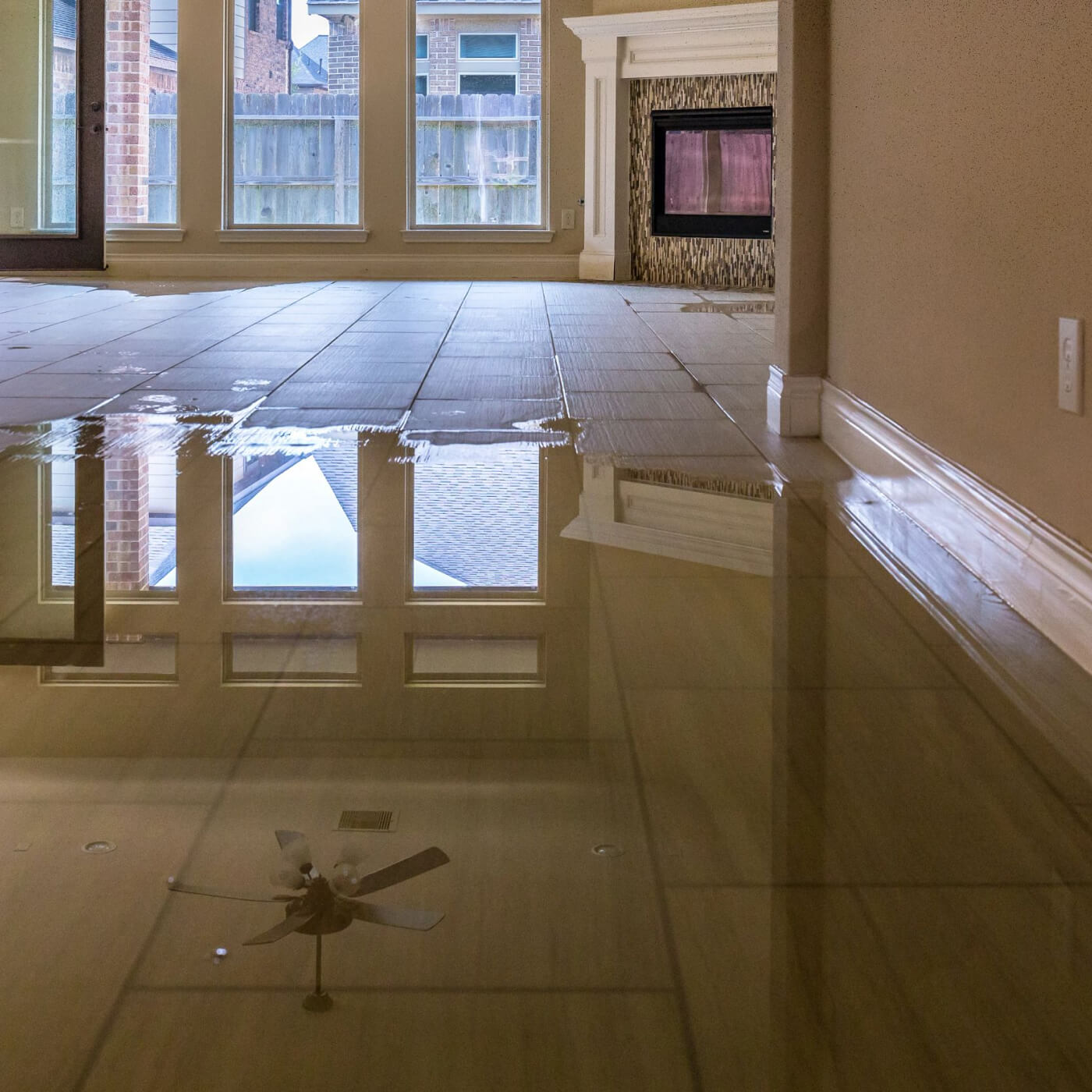
Flooding events in Palm Bay are not unusual. Between tropical systems, heavy summer downpours, and prolonged rainy periods, homes across the area regularly face water intrusion. Sometimes it’s a few inches of standing water. Other times it’s slow seepage under doors or through saturated exterior walls.
Once floodwater enters a home, the immediate focus is usually removal and cleanup. But the real protection happens after the visible water is gone. In Palm Bay’s warm, humid climate, mold can begin developing quickly in damp materials. That’s where professional mold remediation plays a critical role.
Mold remediation isn’t just about removing visible growth. It’s about protecting the structure, indoor air stability, and long-term value of the property.
What the Issue Is
Floodwater doesn’t stay on the surface. It soaks into:
- Drywall
- Baseboards
- Insulation
- Flooring and subflooring
- Cabinet bases
- Framing
Even after surfaces appear dry, moisture often remains inside walls and beneath floors. In Florida’s humidity, damp materials create conditions that allow mold to develop quietly within days.
Mold remediation addresses:
- Active mold growth
- Contaminated materials
- Airborne particles
- Lingering moisture
- Environmental imbalance
Without proper remediation, hidden mold can continue spreading long after flood cleanup seems complete.
Why Flood-Related Mold Is So Common in Palm Bay
Palm Bay’s environmental conditions make post-flood mold growth especially likely.
High Coastal Humidity
Even after storms pass, humidity remains elevated. Damp materials dry slowly, increasing the window for microbial growth.
High Water Tables
Groundwater levels rise after heavy rain, placing additional moisture pressure against slab foundations.
Slab Foundation Construction
Many Palm Bay homes sit directly on concrete slabs. When floodwater spreads, moisture remains close to living spaces.
Frequent Storm Cycles
Homes may experience multiple rain events before fully drying from the first one.
Warm Temperatures
Florida’s warmth accelerates microbial growth in damp materials.
These factors make immediate structural drying and mold remediation essential after flooding.
Common Signs After a Flooding Event
Homeowners in Palm Bay often notice:
- Musty odors
- Bubbling paint
- Warped flooring
- Swollen baseboards
- Soft drywall near the floor
- Increased indoor humidity
- Visible spotting on walls or ceilings
Sometimes visible mold appears within days. Other times, odors are the first warning sign.
Even if visible growth is limited, microscopic contamination may still be present.
Hidden Areas Where Mold Develops
Floodwater travels farther than most homeowners realize.
Behind Lower Drywall
Water wicks upward from the slab into wall cavities.
Under Flooring
Laminate, tile underlayment, and hardwood trap moisture beneath the surface.
Inside Insulation
Wet insulation holds moisture for extended periods.
Cabinet Bases and Toe-Kicks
Particle board absorbs water quickly and dries slowly.
HVAC Systems
High humidity after flooding can circulate particles through ductwork.
Mold remediation must address both visible and hidden contamination zones.
Why Basic Cleanup Is Not Enough
After flooding, many homeowners focus on drying surfaces and disinfecting visible areas.
While this is important, it often misses deeper issues.
Surface Drying Doesn’t Remove Hidden Moisture
Fans and towels dry exposed areas, but moisture inside walls may remain.
Household Cleaners Don’t Solve Structural Problems
Bleach does not remove mold inside porous materials.
Airborne Particles Remain
Disturbing mold without containment can spread spores throughout the home.
Humidity Remains Elevated
Without dehumidification, moisture continues feeding growth.
Professional mold remediation goes beyond cleanup — it stabilizes the entire indoor environment.
Professional Inspection & Detection Explained
After flooding in Palm Bay, a proper remediation process begins with evaluation.
This typically includes:
Visual Inspection
Examining baseboards, flooring, ceilings, and likely water entry points.
Moisture Mapping
Using professional meters to measure moisture inside materials.
Thermal Imaging
Identifying hidden damp zones behind surfaces.
Humidity Assessment
Determining whether indoor conditions support ongoing growth.
Air Quality Evaluation
Assessing whether airborne contamination requires filtration support.
Companies like Inspections and More FL understand how Palm Bay’s coastal humidity affects moisture readings and drying timelines.
Proper Mold Remediation Process
Mold remediation after flooding follows structured steps designed to protect the property.
Containment
Affected areas are isolated to prevent cross-contamination.
Removal of Compromised Materials
Heavily saturated drywall, insulation, or flooring may require controlled removal.
Surface Cleaning
Non-porous materials are cleaned thoroughly.
Air Scrubbing
HEPA air scrubbers capture airborne particles during remediation.
Structural Dryouts
Air movers and dehumidifiers remove trapped moisture from building materials.
Anti-Microbial Treatment (When Appropriate)
Targeted treatments may be applied after cleaning and drying.
Final Verification
Moisture levels are monitored until materials return to acceptable ranges.
This comprehensive approach ensures mold does not continue developing after the visible cleanup phase.
How Mold Remediation Protects the Structure
Professional remediation protects Palm Bay properties in several ways.
Prevents Structural Deterioration
Dry framing and subflooring maintain strength and stability.
Reduces Recurring Odors
Eliminating hidden moisture prevents persistent musty smells.
Stabilizes Indoor Air
Air scrubbing reduces airborne particles.
Preserves Property Value
Addressing issues early prevents long-term damage.
Minimizes Future Repairs
Complete drying reduces the risk of secondary growth.
In Florida’s climate, incomplete remediation often leads to repeated problems.
Long-Term Prevention Strategies
After flooding and remediation, prevention becomes critical.
- Inspect exterior drainage systems
- Seal door thresholds and window frames
- Maintain HVAC systems
- Monitor indoor humidity levels
- Schedule post-storm inspections
- Address minor leaks immediately
Proactive maintenance reduces the impact of future flooding events.
Why Local Experience Matters
Mold remediation in Palm Bay differs from remediation in dry climates. High humidity, slab construction, and coastal weather patterns all influence how moisture behaves.
Local professionals understand:
- How quickly materials absorb moisture in Florida
- Where floodwater typically spreads in slab homes
- How to interpret moisture readings accurately
- How to combine drying and air filtration effectively
Inspections and More FL works with these environmental conditions regularly, tailoring remediation plans to Palm Bay properties.
A Practical Step After Flooding
Flooding events are disruptive, but the long-term damage often comes from what remains after the water is gone.
Mold remediation protects Palm Bay homes by addressing hidden moisture, removing contamination, and stabilizing indoor air. Acting quickly and professionally after a flood reduces risk and supports long-term structural integrity.
In Florida’s coastal climate, proper remediation isn’t just cleanup — it’s protection for the future of the property.
