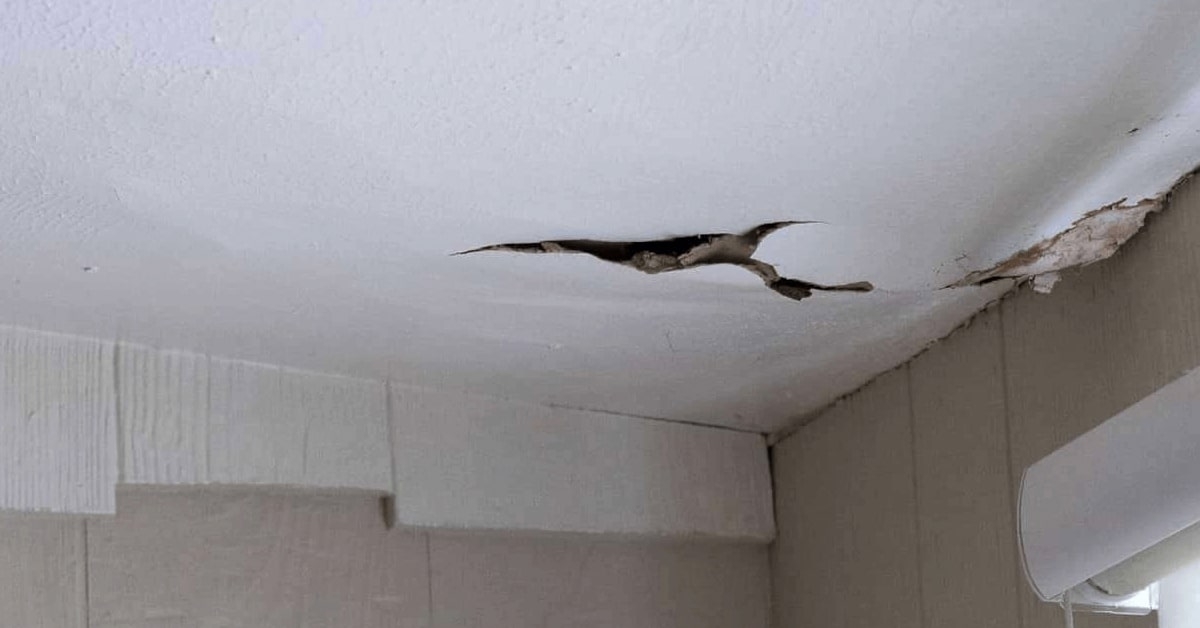
How Anti-Microbial Fogging Protects Properties in Merritt Island After Hidden Water Intrusion
Hidden water intrusion is one of the most common and most underestimated problems in Merritt Island homes. With properties surrounded by the Indian River Lagoon and Banana River, elevated humidity is part of daily life. Add heavy rainfall, wind-driven storms, aging roof systems, and slab foundations—and moisture can enter a home without obvious warning signs.
Unlike visible flooding, hidden water intrusion often develops slowly. A small roof leak, window seal failure, plumbing drip, or HVAC condensation issue may go unnoticed for weeks. During that time, moisture settles into insulation, drywall, subflooring, and framing. In Florida’s warm coastal climate, those damp materials create conditions where microbial growth can begin quickly.
After proper moisture correction and structural drying, anti-microbial fogging may become part of the recovery process. When used appropriately, it supports sanitation efforts, helps address airborne contaminants, and protects indoor air stability.
Understanding how anti-microbial fogging works—and how it protects properties in Merritt Island—helps homeowners approach recovery correctly after hidden moisture events.
Why Hidden Water Intrusion Is Common in Merritt Island
Merritt Island’s environment presents unique challenges for homeowners.
Several factors contribute to hidden intrusion:
Lagoon-Driven Humidity
Air moisture levels remain elevated even outside storm season.
Wind-Driven Rain
Storms push rain horizontally into small exterior gaps.
Salt Air Corrosion
Salt exposure weakens flashing, fasteners, and sealants over time.
Slab Foundation Construction
Many homes sit on slab foundations, allowing moisture migration at floor level.
Attic HVAC Installations
Cold ducts in hot attic spaces create condensation risk.
Because these conditions are constant, even small vulnerabilities can allow moisture entry.
What Happens When Moisture Remains Hidden
Hidden moisture often spreads silently.
Water may travel:
-
Along roof decking
-
Down framing members
-
Behind drywall
-
Beneath flooring systems
-
Into insulation layers
By the time a musty odor appears, microbial activity may already be present.
Even if visible mold growth is minimal, airborne particles may circulate through the home.
The First Priority: Moisture Correction and Drying
Before anti-microbial fogging is considered, moisture must be addressed.
The structured process typically includes:
-
Identifying and repairing the intrusion source
-
Conducting moisture mapping
-
Removing saturated materials
-
Deploying dehumidifiers and air movers
-
Confirming structural dryness
Without proper drying, fogging cannot provide long-term protection.
Companies such as Inspections and More FL often emphasize moisture stabilization before recommending fogging services.
What Anti-Microbial Fogging Does
Anti-microbial fogging disperses a fine mist of antimicrobial solution into the air and onto exposed surfaces.
It is designed to:
-
Reduce surface microbial presence
-
Address odor-causing bacteria
-
Supplement manual cleaning
-
Support sanitation efforts after remediation
-
Reduce airborne particulates during recovery
Fogging is most effective when used as a supporting step—not as a standalone solution.
How Fogging Protects Properties After Hidden Water Intrusion
1. Reduces Airborne Microbial Particles
After moisture events, spores and bacteria may circulate through HVAC systems or disturbed materials.
Airborne reduction improves indoor air stability during recovery.
2. Supports Post-Remediation Cleaning
After visible mold has been cleaned and contaminated materials removed, fogging helps address microscopic residues.
3. Addresses Odor Concerns
Hidden moisture often creates persistent musty smells.
Fogging helps reduce odor-causing bacteria lingering in the air.
4. Complements Structural Drying
When dehumidifiers and air movers are running, fogging can help prevent airborne contamination from spreading during drying.
5. Enhances Recovery Confidence
Homeowners gain reassurance knowing both surfaces and air have been addressed after hidden intrusion.
Challenges of Fogging in Coastal Environments
While fogging offers benefits, there are important considerations in Merritt Island’s climate.
High Humidity Must Be Controlled
Fogging should not occur while humidity remains elevated.
Hidden Damp Materials Must Be Removed
Fogging does not penetrate deeply into sealed wall cavities.
HVAC Systems May Require Inspection
Duct systems can circulate moisture-related particles.
Timing Is Critical
Fogging applied too early may be ineffective.
Proper sequencing is essential.
Common Hidden Water Intrusion Scenarios in Merritt Island
Roof Flashing Failure
Minor flashing gaps allow rainwater into attic spaces.
Window Seal Deterioration
Coastal exposure weakens exterior caulking.
Slab Edge Moisture
Heavy rain increases soil saturation around foundations.
Plumbing Drips
Slow leaks under sinks or behind appliances go unnoticed.
HVAC Condensation
Duct sweating in humid attic spaces introduces moisture.
In each scenario, moisture spreads quietly before signs appear.
The Role of Air Quality During Recovery
Hidden water intrusion affects not just surfaces—but indoor air.
In Florida’s humid climate:
-
Microbial particles activate more easily
-
Odors intensify
-
Humidity lingers
-
Air feels heavier
Air scrubbing and anti-microbial fogging often work alongside dehumidification to restore balance.
Cost Considerations
Costs vary depending on:
-
Size of affected area
-
Extent of prior mold growth
-
Equipment usage
-
Duration of drying
-
HVAC involvement
Early intervention typically lowers overall expense.
Delayed response increases remediation scope.
Preventing Future Hidden Intrusion
Merritt Island homeowners can reduce risk by:
-
Inspecting roof systems annually
-
Checking attic spaces after storms
-
Monitoring indoor humidity (45–55%)
-
Maintaining window and door seals
-
Servicing HVAC systems regularly
-
Scheduling moisture evaluations after heavy rainfall
Routine maintenance reduces recurrence.
Why Local Experience Matters
Merritt Island’s coastal environment includes:
-
Lagoon-driven humidity cycles
-
Salt air corrosion
-
Frequent storm systems
-
Elevated dew points
-
Slab-on-grade construction
Professionals familiar with Merritt Island, Cocoa, Melbourne, Palm Bay, and Sanford understand how Florida’s climate affects hidden moisture behavior.
Local knowledge ensures fogging is used appropriately—not excessively and not prematurely.
A Practical Takeaway for Merritt Island Homeowners
Hidden water intrusion can quietly compromise a property long before visible signs appear. After moisture is corrected and structural drying is complete, anti-microbial fogging can support sanitation efforts and reduce airborne microbial particles.
However, fogging must follow a structured process:
-
Moisture source correction
-
Comprehensive detection
-
Material removal when needed
-
Controlled drying
-
Humidity stabilization
-
Proper sequencing
When used correctly, anti-microbial fogging protects properties by addressing both surface and airborne concerns—helping restore indoor air stability after hidden intrusion events.
In Florida’s humid coastal climate, moisture management and air quality control go hand in hand. Addressing both ensures Merritt Island homes remain structurally sound and comfortable long after storm season passes.