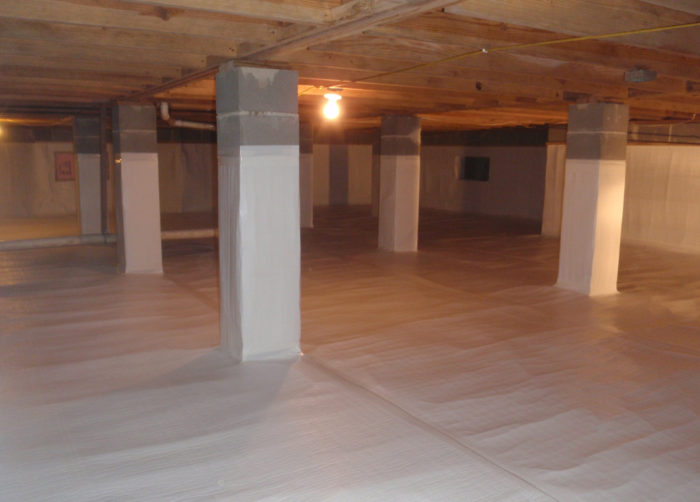
Understanding Structural Dryout Challenges in Merritt Island Crawl Spaces
Crawl spaces are one of the most overlooked areas of a home—until a moisture problem develops. In Merritt Island, where homes sit between the Indian River Lagoon and the Banana River, crawl spaces face continuous humidity exposure, seasonal storms, and fluctuating groundwater levels. When water intrusion occurs, structural dryouts in these confined areas present unique challenges.
Unlike slab foundation homes where moisture spreads through concrete, crawl spaces expose wood framing, subfloor systems, and insulation directly to damp air and ground moisture. Once wet, these materials can hold moisture longer than expected, especially in Florida’s humid coastal climate.
Understanding the challenges of structural dryouts in Merritt Island crawl spaces helps homeowners respond effectively and protect long-term structural integrity.
Why Crawl Spaces in Merritt Island Are Especially Vulnerable
Merritt Island’s environmental conditions create ongoing moisture pressure.
Several factors increase crawl space risk:
Elevated Groundwater
Heavy rain and storm systems can temporarily raise groundwater levels.
Lagoon-Driven Humidity
Moist coastal air infiltrates vented crawl spaces continuously.
Poor Drainage
Low-lying areas may experience soil saturation around foundations.
Storm Surge Events
Severe storms can introduce direct water intrusion into lower levels.
Limited Ventilation
Crawl spaces often have restricted airflow, slowing natural drying.
These conditions make moisture accumulation common.
How Water Enters Crawl Spaces
Crawl space moisture does not always come from flooding. It often results from:
-
Heavy rainfall saturating soil
-
Improper grading around foundations
-
Leaking plumbing lines
-
Condensation from HVAC ducts
-
Poor vapor barrier installation
-
Blocked exterior drainage
Water may seep through foundation vents or absorb upward from damp soil.
Once present, moisture spreads across structural components.
Why Structural Dryouts in Crawl Spaces Are More Complex
Drying a crawl space is different from drying a living area.
Challenges include:
-
Confined access
-
Limited headroom
-
Poor airflow
-
Insulation barriers
-
Wood framing saturation
-
Soil moisture interaction
Because of these obstacles, moisture often lingers longer than expected.
The Hidden Spread of Moisture in Crawl Spaces
Water in crawl spaces affects more than just the ground.
Moisture can:
-
Soak floor joists
-
Saturate subfloor panels
-
Dampen insulation
-
Raise indoor humidity
-
Travel into wall cavities
-
Cause wood swelling
Over time, untreated moisture may weaken structural components.
The First Step: Accurate Moisture Detection
Before drying begins, a thorough assessment is required.
Professionals typically use:
-
Moisture meters
-
Thermal imaging cameras
-
Hygrometers
-
Visual inspections of framing and insulation
Thermal imaging helps detect cooler areas that may indicate hidden dampness within framing.
Companies such as Inspections and More FL often emphasize moisture mapping before deploying drying equipment.
Removing Moisture Sources
Structural dryouts cannot succeed unless the source is corrected.
Common corrections may include:
-
Improving exterior drainage
-
Repairing plumbing leaks
-
Installing or repairing vapor barriers
-
Addressing duct condensation
-
Sealing foundation penetrations
Stopping active moisture intrusion is critical.
Insulation Removal Challenges
Wet insulation in crawl spaces becomes a moisture reservoir.
Saturated insulation:
-
Slows drying
-
Promotes mold growth
-
Reduces energy efficiency
Removing damp insulation improves airflow and drying effectiveness.
However, confined access makes removal more labor-intensive.
Deploying Drying Equipment in Crawl Spaces
Proper equipment placement is challenging due to space limitations.
Dryout strategies often include:
-
Low-profile air movers
-
Crawl space-rated dehumidifiers
-
Directed airflow channels
-
Controlled ventilation
Humidity must be reduced significantly to encourage evaporation from wood framing.
Outdoor air alone is rarely sufficient in Merritt Island’s humid climate.
Soil Moisture Interaction
Unlike interior rooms, crawl spaces sit directly above soil.
Even without visible standing water, damp soil can continue releasing moisture upward.
Effective dryouts may require:
-
Installing vapor barriers
-
Enhancing drainage systems
-
Improving encapsulation measures
Ignoring soil moisture can cause recurring humidity problems.
The Role of Dehumidification
Dehumidification is essential in crawl space dryouts.
Maintaining humidity between 45–55% supports:
-
Wood stabilization
-
Mold prevention
-
Faster drying
-
Reduced odor
Without humidity control, structural drying slows dramatically.
Preventing Mold During Structural Dryouts
Florida’s warm temperatures allow mold to grow quickly in damp crawl spaces.
Quick response reduces:
-
Wood staining
-
Musty odor development
-
Structural deterioration
-
Air quality concerns
Air filtration and anti-microbial treatments may support drying efforts when necessary.
Cost Factors in Crawl Space Structural Dryouts
Costs vary depending on:
-
Size of crawl space
-
Extent of moisture spread
-
Insulation removal needs
-
Duration of equipment use
-
Accessibility challenges
-
Vapor barrier replacement
Early intervention reduces long-term repair costs.
Delays increase structural involvement.
Long-Term Moisture Prevention in Merritt Island Crawl Spaces
Homeowners can reduce future dryout challenges by:
-
Inspecting crawl spaces annually
-
Installing durable vapor barriers
-
Maintaining proper exterior grading
-
Checking plumbing regularly
-
Monitoring humidity levels
-
Scheduling post-storm inspections
-
Ensuring HVAC duct insulation is intact
Proactive maintenance prevents recurring issues.
Why Local Experience Matters
Merritt Island presents specific environmental pressures:
-
Lagoon-driven humidity
-
Frequent thunderstorms
-
Elevated groundwater
-
Coastal air exposure
-
Seasonal storm systems
Professionals familiar with Merritt Island, Cocoa, Melbourne, Palm Bay, and Sanford understand how crawl spaces behave in Florida’s humid coastal climate.
Local expertise ensures drying strategies match real-world conditions.
A Practical Takeaway for Homeowners
Structural dryouts in Merritt Island crawl spaces present unique challenges due to confined spaces, soil moisture interaction, and persistent humidity.
Water spreads silently across framing, insulation, and subfloor systems. Surface dryness does not guarantee structural stability.
Effective dryouts require:
-
Source correction
-
Comprehensive moisture mapping
-
Insulation removal when necessary
-
Controlled dehumidification
-
Ongoing monitoring
In Florida’s coastal climate, crawl spaces demand attention after heavy rain or hidden moisture events.
By responding quickly and using structured drying methods, homeowners can prevent small moisture issues from escalating into structural damage or mold remediation—protecting both the integrity and longevity of their property.