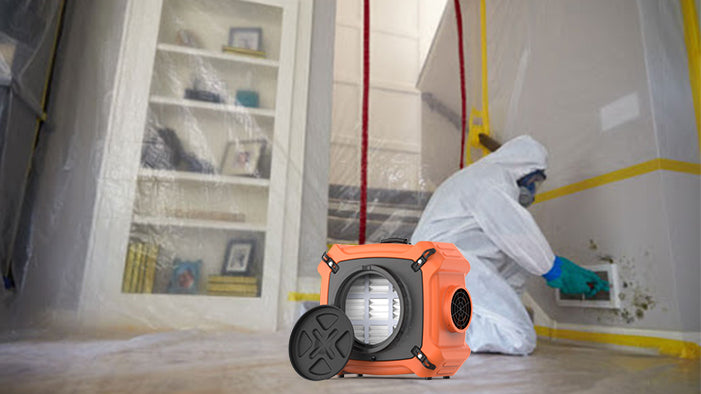
How Anti-Microbial Fogging Protects Properties in Sanford Coastal Properties
Living near the water in Sanford offers scenic views and steady breezes, but coastal exposure also brings constant humidity. Even when there’s no visible flooding, moisture lingers in the air, settles into materials, and creates ideal conditions for microbial growth.
In Sanford’s coastal-adjacent areas — especially near Lake Monroe and connected waterways — humidity rarely drops for long. After storms, plumbing leaks, or prolonged damp indoor conditions, mold spores and bacteria can settle on structural surfaces and in hard-to-reach areas.
That’s where anti-microbial fogging becomes part of the protection strategy. When used correctly, fogging helps neutralize residual microbial presence after cleaning and remediation, especially in humid coastal environments.
Understanding how it works — and when it’s appropriate — helps property owners protect their homes effectively.
What the Issue Really Is
Anti-microbial fogging is a process that disperses a fine mist of specialized solution into affected spaces after mold removal or moisture events.
It is not a standalone mold removal method. Instead, it is used:
- After visible mold has been cleaned
- After structural dryouts
- Following water intrusion
- When airborne contamination is suspected
- As a supplemental treatment in humid properties
In Sanford coastal homes, humidity allows spores to settle into porous materials and tight spaces. Fogging helps treat areas that wiping or brushing alone cannot reach.
It supports overall remediation — but does not replace proper moisture correction.
Why Coastal Sanford Properties Often Require Fogging
Coastal conditions increase microbial persistence.
Elevated Humidity
Moist air keeps surfaces damp longer.
Frequent Storms
Wind-driven rain increases hidden moisture intrusion.
Warm Temperatures
Heat accelerates mold and bacterial growth.
Slab and Crawl Space Construction
Ground moisture contributes to elevated indoor humidity.
AC Condensation
Ductwork in humid attics may contribute to spore distribution.
Homes in Cocoa, Merritt Island, and Melbourne waterfront areas experience similar moisture pressures.
In coastal Sanford properties, even after structural drying, microscopic spores can remain.
Fogging helps reduce residual contamination.
Common Situations Where Fogging Becomes Necessary
Property owners may consider anti-microbial fogging after:
- Hurricane or storm damage
- Hidden water intrusion
- Crawl space mold removal
- Attic mold remediation
- HVAC contamination
- Prolonged power outages
- Persistent musty odors
Fogging is especially useful when moisture has affected multiple rooms or when airborne contamination is a concern.
It adds an additional layer of protection.
Hidden Areas Fogging Helps Address
Anti-microbial fogging reaches areas such as:
- Inside wall cavities
- Behind cabinetry
- Around duct systems
- Attic framing
- Crawl space joists
- Under flooring edges
- Tight corners and seams
In humid environments, spores can settle in microscopic crevices.
Manual cleaning alone may not fully address these spaces.
Fogging distributes treatment evenly across surfaces.
Why DIY Fogging Often Falls Short
Homeowners sometimes purchase small foggers or aerosol treatments.
However, improper fogging can lead to:
- Uneven coverage
- Inadequate dwell time
- Over-saturation of materials
- Incomplete containment
- No moisture correction
Without professional evaluation, fogging may be applied when moisture is still present.
If humidity remains elevated, microbial growth can return.
In Florida’s coastal climate, fogging must be part of a larger moisture control plan.
Professional Inspection & Application Explained
Before anti-microbial fogging is performed in a Sanford coastal home, a structured process typically includes:
Visual Inspection
Identifying previously affected areas.
Moisture Verification
Confirming materials are dry.
HEPA Air Scrubbing
Reducing airborne particulates.
Containment
Ensuring controlled application.
Fogging Application
Dispersing treatment evenly throughout the space.
Ventilation & Settling Time
Allowing proper dwell and distribution.
Inspections and More FL frequently integrates fogging into broader remediation plans, particularly after coastal moisture events.
Fogging is applied only when appropriate and necessary.
The Science Behind Anti-Microbial Fogging
Fogging works by atomizing a treatment solution into microscopic droplets. These droplets remain suspended in the air long enough to settle onto exposed surfaces.
The treatment helps:
- Neutralize remaining mold spores
- Reduce bacterial presence
- Treat areas difficult to wipe manually
- Support odor reduction
However, fogging does not remove structural mold colonies embedded in materials.
That is why it follows cleaning, removal, and drying steps.
In Sanford’s humid coastal properties, fogging acts as a supplemental protective measure.
How Fogging Protects Coastal Homes Long-Term
When integrated correctly into remediation, fogging helps:
- Reduce residual contamination
- Support indoor air stabilization
- Protect cleaned structural surfaces
- Minimize recurrence risk
- Improve post-remediation confidence
Because humidity remains high in coastal areas, reducing airborne spore load helps prevent reactivation on damp surfaces.
Fogging supports overall microbial control.
Preventing Future Microbial Growth in Coastal Sanford Homes
To reduce the need for repeat fogging, homeowners should:
- Maintain indoor humidity between 45–55%
- Inspect roof flashing annually
- Seal slab cracks promptly
- Install crawl space vapor barriers
- Maintain HVAC systems regularly
- Improve attic ventilation
- Schedule post-storm moisture evaluations
Homes in Palm Bay, Melbourne, and Cocoa benefit from similar preventive strategies.
Fogging is most effective when moisture remains controlled long-term.
Why Local Florida Experience Matters
Microbial behavior in coastal Florida differs from drier regions.
Sanford’s:
- High dew points
- Frequent rain cycles
- Warm temperatures
- Slab and crawl space construction
- Coastal air exposure
… create sustained moisture pressure.
Professionals familiar with Central Florida construction understand when fogging is appropriate and when structural remediation must come first.
Inspections and More FL approaches anti-microbial fogging with this local expertise — ensuring it complements drying and remediation rather than replacing it.
Experience ensures effective application.
A Calm, Practical Next Step
If your Sanford coastal property has experienced moisture intrusion or mold remediation, anti-microbial fogging may provide added protection — but only after proper drying and cleaning.
Fogging works best as part of a structured moisture control strategy.
In Florida’s humid climate, moisture management is ongoing.
With proper inspection, remediation, and preventive care, coastal properties can remain stable, clean, and protected throughout the year.
Images