How Mold Removal Protects Properties in Melbourne When Indoor Air Feels Damp
If indoor air in your Melbourne home feels damp, heavy, or slightly musty, that sensation is often more than a comfort issue. In Florida’s humid climate, “damp air” usually signals elevated moisture levels — and moisture is the foundation for mold growth.
In Melbourne, as well as nearby Palm Bay, Cocoa, Merritt Island, and even inland toward Sanford, humidity is not occasional. It’s persistent. When indoor air feels damp for extended periods, building materials begin absorbing that moisture. If mold develops as a result, professional mold removal becomes necessary to protect both the structure and indoor air stability.
Understanding how mold removal works — and why it protects properties long-term — helps homeowners act early and avoid recurring damage.
What the Issue Really Is
When indoor air feels damp, it usually means relative humidity has climbed above the ideal indoor range of 45–55%. Once levels exceed 60% for extended periods, materials inside the home begin absorbing moisture.
Drywall absorbs humidity.
Wood framing retains moisture.
Insulation traps vapor.
Dust becomes a nutrient source for mold spores.
Mold spores are always present in the environment. But when moisture and warmth combine — especially in Florida — those spores can colonize surfaces quickly.
Mold removal becomes necessary when visible growth appears or when moisture has allowed hidden growth to develop behind walls, beneath flooring, or inside attic spaces.
Why This Happens So Often in Melbourne
Melbourne’s coastal climate creates steady moisture pressure on homes.
Persistent Humidity
Outdoor humidity often remains elevated throughout the year.
Frequent Storm Activity
Heavy rain increases indoor humidity and intrusion risk.
Warm Temperatures
Heat accelerates mold growth when moisture is present.
Slab Foundation Construction
Ground moisture can migrate upward in some homes.
Continuous AC Operation
Duct condensation may contribute to hidden dampness.
Homes in Merritt Island and Cocoa experience similar humidity patterns, particularly near waterfront areas.
When indoor air feels damp, it often means humidity control has been disrupted.
Common Signs Mold Removal May Be Necessary
Homeowners in Melbourne often notice:
- Musty odors
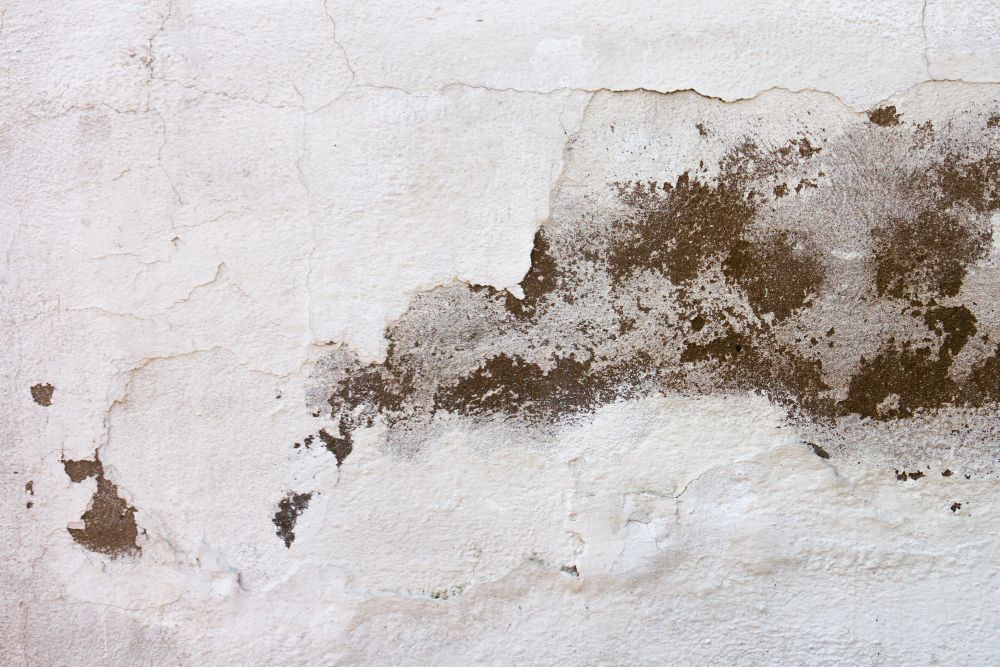
- Visible dark spots on drywall
- Warped baseboards
- Peeling paint
- Soft spots near flooring
- Elevated indoor humidity
- AC running longer than normal
Sometimes mold growth is visible. Other times, the air simply feels heavy and uncomfortable.
If the damp feeling persists despite cooling, mold may already be active inside structural materials.
Hidden or Overlooked Mold Zones
In Melbourne homes, mold frequently develops in concealed areas such as:
- Behind drywall on exterior-facing walls
- Beneath laminate or hardwood flooring
- Inside attic insulation
- Around HVAC air handlers
- Along slab edges
- Inside wall cavities near plumbing lines
Moisture spreads through porous materials, meaning the visible symptom may not reveal the full extent.
Professional detection tools help locate the complete contamination area.
Why DIY Mold Removal Usually Falls Short
When indoor air feels damp, some homeowners try:
- Spraying bleach on visible spots
- Running household dehumidifiers
- Opening windows for airflow
While helpful in minor situations, these steps often fail when mold has penetrated materials.
Surface Cleaning Is Limited
Bleach does not reach embedded mold roots in porous materials.
No Moisture Correction
Humidity remains elevated.
Spores Spread Easily
Disturbing mold without containment can redistribute spores.
Incomplete Drying
Fans alone do not dry internal cavities.
Florida’s humidity requires a controlled and measured approach.
Professional mold removal addresses both contamination and moisture.
Professional Inspection & Detection Explained
Before mold removal begins, a structured evaluation is performed.
In Melbourne homes, this typically includes:
Visual Inspection
Identifying visible growth and moisture indicators.
Moisture Meter Testing
Measuring drywall and wood moisture levels.
Thermal Imaging
Locating hidden damp areas behind surfaces.
Hygrometer Monitoring
Checking indoor humidity stability.
HVAC Inspection
Ensuring ducts are not spreading contamination.
Inspections and More FL frequently identifies hidden moisture pockets in homes where indoor air simply “feels damp.”
Accurate data guides proper remediation.
The Mold Removal Process
When mold removal becomes necessary, the structured process includes:
Containment
Sealing affected areas to prevent spore spread.
HEPA Air Scrubbing
Filtering airborne mold particles.
Safe Removal of Contaminated Materials
Removing drywall, insulation, or flooring if needed.
Antimicrobial Treatment
Cleaning and treating exposed structural surfaces.
Structural Dryout
Using air movers and dehumidifiers to reduce moisture.
Mold Encapsulation (When Appropriate)
Sealing treated wood surfaces.
Moisture Source Correction
Addressing leaks or ventilation issues.
Mold removal protects the property by eliminating active contamination and restoring moisture balance.
How Mold Removal Protects the Structure
Proper mold removal helps:
- Prevent wood rot
- Protect drywall integrity
- Preserve flooring systems
- Reduce indoor air contamination
- Stabilize insulation performance
- Prevent recurring damage
When indoor air feels damp, mold removal combined with humidity correction restores equilibrium.
Without remediation, damp conditions often lead to expanding contamination.
Preventing Damp Indoor Air in Melbourne Homes
Homeowners can reduce future mold risk by:
- Maintaining indoor humidity between 45–55%
- Cleaning AC condensate lines regularly
- Improving attic ventilation
- Inspecting roof flashing annually
- Sealing slab cracks
- Scheduling post-storm moisture evaluations
Homes in Palm Bay, Cocoa, Merritt Island, and Sanford benefit from similar preventive maintenance.
Humidity control is ongoing in Florida.
Why Local Florida Experience Matters
Mold behavior in Melbourne differs from dry climates.
The combination of:
- Coastal humidity
- Warm temperatures
- Frequent storms
- Slab and attic construction
… creates sustained moisture pressure.
Professionals familiar with Central Florida building styles understand how humidity migrates through materials and how indoor air stability affects mold growth.
Inspections and More FL approaches mold removal with this local expertise — focusing on long-term prevention rather than surface-level treatment.
Experience ensures the issue does not return.
A Calm, Practical Next Step
If indoor air in your Melbourne home feels persistently damp or musty, it may be time for a moisture and mold evaluation.
Mold removal protects your property by eliminating contamination and correcting moisture imbalance.
In Florida’s climate, damp air rarely resolves on its own.
But with proper inspection, controlled removal, and humidity stabilization, your home can return to a dry, balanced, and protected condition.