
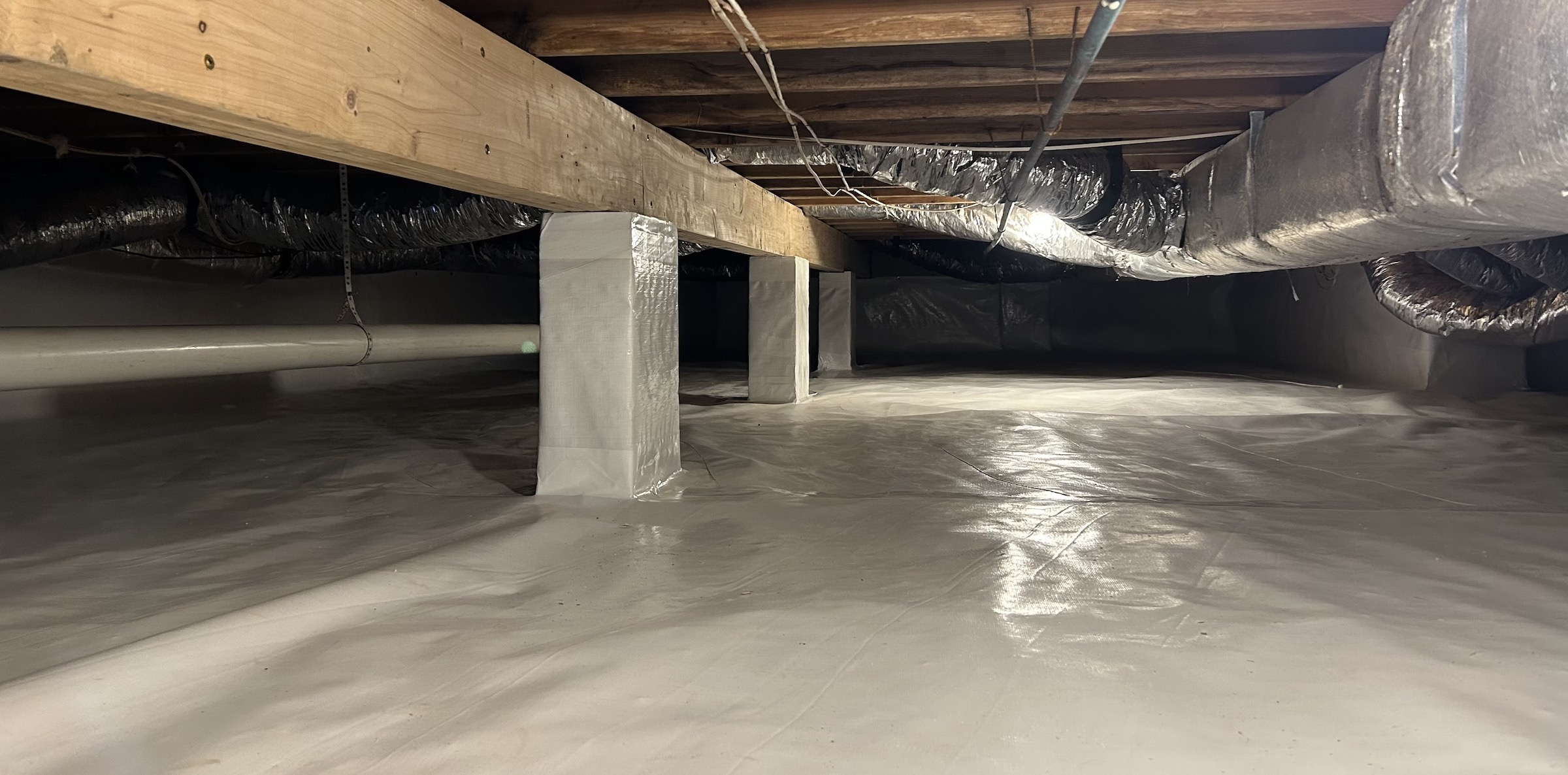
How Anti-Microbial Fogging Protects Properties in Sanford Crawl Spaces
Crawl spaces in Sanford don’t usually make it onto a homeowner’s weekend to-do list.
They’re dark. Tight. Easy to ignore.
But in Central Florida — especially in areas around Lake Monroe, the St. Johns River basin, and older Sanford neighborhoods — crawl spaces quietly deal with constant moisture pressure. After heavy rains, plumbing leaks, or long stretches of humidity, these hidden areas can become breeding grounds for microbial growth.
When that happens, anti-microbial fogging becomes one of the tools used to protect the structure.
But it’s important to understand what fogging does — and what it doesn’t do.
What Anti-Microbial Fogging Actually Is
Anti-microbial fogging involves dispersing a fine mist of treatment solution into an enclosed space. The fog is designed to reach surfaces that are difficult to access directly, including:
• Floor joists
• Subflooring
• Support beams
• Tight framing cavities
• Insulation surfaces
• Corners and crevices
The goal is to reduce microbial presence on exposed surfaces and help inhibit regrowth after moisture issues have been addressed.
It is not a shortcut for proper remediation.
It is a supplemental protective step — especially in crawl spaces where manual cleaning is difficult.
Why Crawl Spaces in Sanford Are Moisture-Prone
Sanford may not be directly on the coast like Cocoa, but it still experiences significant humidity and rainfall throughout the year.
Several local factors increase crawl space vulnerability:
• High water tables near the St. Johns River
• Prolonged summer humidity
• Heavy afternoon thunderstorms
• Older homes with vented crawl spaces
• Poor drainage around foundations
• Clay-heavy soil that retains water
After storms, saturated soil beneath homes evaporates upward. If vapor barriers are missing or damaged, that moisture rises into the crawl space and settles on framing.
Over time, wood moisture content increases.
That’s when microbial growth begins forming along joists and subflooring.
How Microbial Growth Spreads Beneath a Home
Moisture doesn’t stay localized.
Once framing absorbs humidity, the crawl space environment changes.
You may not see visible mold at first, but conditions may include:
• Elevated humidity above 60%
• Condensation on ducts
• Damp insulation
• Musty odors
Through what’s known as the “stack effect,” humid air rises from below the home into living spaces.
Homeowners upstairs may notice:
• Persistent musty smells
• Warping wood floors
• Increased indoor humidity
• Allergy-like symptoms indoors
Anti-microbial fogging helps protect structural surfaces once the moisture issue is corrected.
But moisture control must come first.
The First Step: Structural Drying
Fogging is never the first move.
Before anti-microbial treatment is applied, crawl spaces must be properly dried. This typically involves:
• Commercial dehumidifiers
• Air movers
• Moisture monitoring equipment
• Vapor barrier evaluation
• Drainage correction
If wood remains damp, fogging solutions will not prevent regrowth.
Moisture is the driver.
Once moisture levels are brought back within safe ranges, anti-microbial fogging can help provide additional protection.
What Fogging Helps Achieve
In Sanford crawl spaces, anti-microbial fogging can:
• Treat hard-to-reach surfaces
• Reduce microbial presence after cleanup
• Address odor-causing particles
• Provide an added layer of protection
• Help stabilize the environment post-remediation
Because crawl spaces are confined areas with limited airflow, fog dispersal allows treatment to reach surfaces manual wiping cannot.
It supports the broader remediation process.
It does not replace it.
When Fogging Is Typically Recommended
Anti-microbial fogging may be appropriate in Sanford crawl spaces when:
• There has been previous mold growth
• Minor surface microbial activity was identified
• A plumbing leak occurred beneath the home
• Humidity levels were elevated for an extended period
• Musty odors persist after drying
• Insulation removal exposed framing
It is often used after contaminated materials have been removed and structural drying is complete.
The timing matters.
Applying fogging too early, while moisture remains, limits effectiveness.
Common Misunderstandings About Fogging
Some homeowners assume fogging alone solves crawl space problems.
It doesn’t.
Fogging does not:
• Remove heavily contaminated materials
• Fix drainage issues
• Lower humidity permanently
• Repair structural damage
• Replace proper mold remediation
It is one step within a broader plan.
Without correcting moisture intrusion, microbial growth can return.
That’s why inspection and diagnosis matter first.
HVAC and Air Quality Considerations
Many Sanford homes have HVAC ductwork running through crawl spaces.
When microbial growth develops below the home, spores and odors can enter the duct system if leaks or gaps exist.
In these cases, addressing crawl space conditions protects indoor air quality upstairs.
After proper drying and treatment, evaluating duct integrity may also be necessary.
Clean air above starts with dry air below.
Long-Term Protection Strategies
After anti-microbial fogging and structural drying, prevention becomes the focus.
Smart long-term measures may include:
• Installing or repairing vapor barriers
• Improving exterior drainage grading
• Sealing foundation penetrations
• Encapsulating crawl spaces
• Monitoring humidity levels year-round
• Scheduling routine inspections
In Sanford’s humid climate, crawl spaces need ongoing attention — not just emergency response.
Moisture prevention reduces the need for repeated treatments.
Why Local Experience Matters
Sanford’s moisture challenges differ from coastal cities like Melbourne or Merritt Island.
The influence of nearby lakes and river systems creates sustained ground moisture pressure. Older vented crawl spaces common in historic Sanford neighborhoods respond differently than newer builds.
Professionals familiar with:
• Local soil retention patterns
• Common crawl space construction methods
• Seasonal rainfall cycles
• Humidity fluctuations inland
are better equipped to determine when fogging is appropriate — and when more extensive remediation is necessary.
Companies like Inspections and More FL evaluate the entire moisture picture before recommending any treatment.
That measured approach prevents unnecessary steps while ensuring real issues are addressed.
A Calm and Practical Next Step
If your Sanford home has a crawl space and you’ve noticed musty odors, elevated humidity, or past moisture issues beneath the structure, it’s worth having it evaluated.
Anti-microbial fogging can be an effective protective step — when used correctly and at the right time.
But it works best as part of a structured moisture control plan.
Crawl spaces may be hidden, but their condition affects the entire home.
Protecting them protects everything above.
