
How Dehumidification Protects Properties in Sanford After Hidden Water Intrusion
Hidden water intrusion is one of the most common — and most underestimated — problems in Sanford homes.
Unlike a burst pipe or obvious flood, hidden moisture creeps in quietly. It can come from a slow plumbing leak behind a wall, roof flashing that failed during a summer storm, AC condensation buildup, or wind-driven rain after heavy weather rolls through Central Florida.
By the time a homeowner notices something feels “off,” moisture has often been sitting inside building materials for weeks — sometimes months.
That’s where professional dehumidification becomes critical. Not as a comfort upgrade. Not as an afterthought. But as a science-based moisture control solution that protects your property from long-term structural damage.
Let’s break down why it matters so much in Sanford and surrounding areas like Palm Bay, Melbourne, Cocoa, and Merritt Island.
What Hidden Water Intrusion Really Means
Hidden water intrusion happens when moisture enters structural components without obvious surface damage.
In Sanford homes, common sources include:
- Slow plumbing leaks inside walls
- Minor roof leaks after storms
- Window seal failures during heavy rain
- Slab foundation moisture wicking upward
- AC drain line overflows
- High groundwater pressure after prolonged rainfall
You might not see standing water.
Instead, drywall absorbs moisture. Wood framing begins holding elevated moisture levels. Insulation traps damp air. Subfloors stay slightly wet but never fully dry.
Because Florida humidity is already high, materials don’t dry naturally the way they might in drier states.
And that’s where trouble begins.
Why This Happens So Often in Sanford
Sanford’s climate creates a perfect storm for moisture retention.
We deal with:
- Year-round humidity
- Heavy seasonal storms
- Afternoon rain bursts
- High water tables
- Warm attic temperatures
- Slab foundation homes
After a rain event, outdoor humidity often stays elevated for days. If water intrusion occurs during that window, drying becomes extremely difficult without mechanical help.
Homes in inland areas like Sanford and Palm Bay often sit on slabs, which means moisture from the soil can influence flooring materials. In coastal areas like Cocoa and Merritt Island, wind-driven rain adds additional stress to windows and roofing systems.
The environment doesn’t just allow moisture problems — it sustains them.
Common Signs Property Owners Notice
Hidden water intrusion rarely announces itself loudly.
Instead, you might notice:
- A faint musty smell that doesn’t go away
- Soft or slightly swollen baseboards
- Flooring that feels uneven
- Slight wall discoloration
- Increased indoor humidity
- AC running more frequently
- Subtle warping near door frames
Sometimes the home simply feels damp.
Other times, homeowners notice allergy irritation increasing but can’t pinpoint why.
Moisture often stays inside structural cavities long before visible mold appears.
Hidden or Overlooked Sources
In Sanford properties, we frequently see moisture hiding in places homeowners never inspect.
Behind Drywall
Water from small roof leaks or plumbing drips can saturate insulation and framing without staining the wall surface.
Under Flooring
Luxury vinyl, tile, and laminate can trap moisture underneath, especially in slab homes.
Attics
Improper ventilation combined with minor roof intrusion can keep attic decking damp for extended periods.
Crawl Spaces
Though less common in Sanford than in some other regions, properties with crawl spaces often retain humidity long after storms pass.
HVAC Systems
Air handlers located in closets can leak slowly, allowing moisture to build up around framing materials.
Without proper dehumidification, these areas remain damp far longer than homeowners realize.
Why DIY Drying Usually Falls Short
It’s natural to open windows, run ceiling fans, or place a small dehumidifier in the affected room.
But hidden water intrusion requires more than surface drying.
Here’s why DIY attempts often fail:
- Household dehumidifiers lack extraction capacity
- Fans circulate humid air without removing moisture
- Surface dryness does not equal structural dryness
- Moisture deep inside framing remains untouched
- Florida outdoor humidity often enters through open windows
Even if walls feel dry to the touch, internal materials may still contain elevated moisture content.
Without proper measurement tools, there’s no way to confirm dryness.
Professional Inspection & Detection Explained
A professional moisture inspection focuses on data — not guesswork.
When evaluating hidden water intrusion in Sanford homes, we typically use:
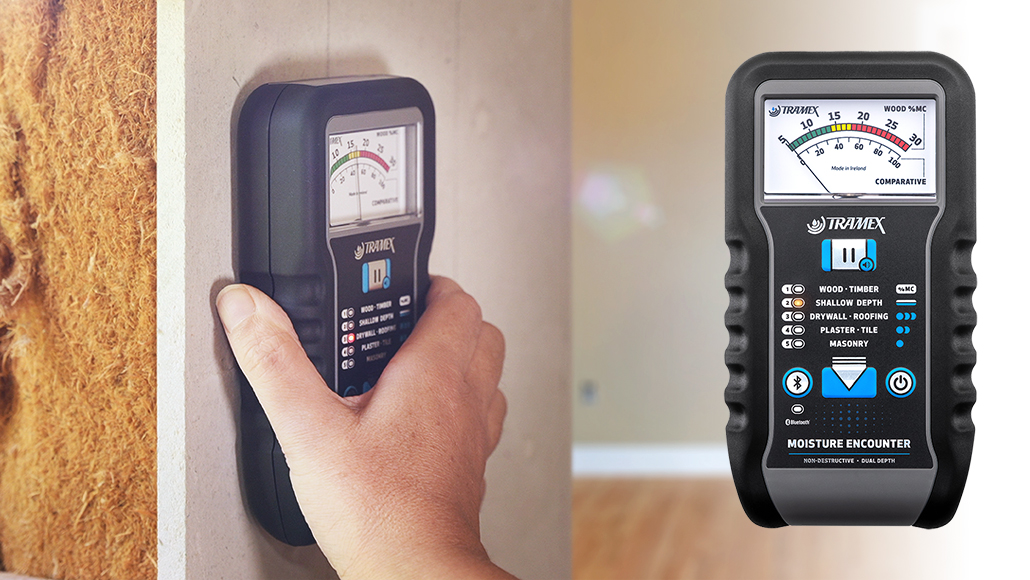
Moisture Meters
These tools measure moisture levels inside drywall, wood, and flooring materials.
Thermal Imaging Cameras
Thermal imaging identifies temperature differences that often indicate moisture behind walls.
Hygrometers
Used to measure indoor relative humidity levels throughout the property.
Visual Assessment
Looking for subtle indicators like nail pops, baseboard swelling, or paint bubbling.
Companies like Inspections and More FL focus on identifying where moisture migrated — not just where it entered.
Because moisture rarely stays confined to one spot.
Proper Dehumidification & Structural Drying Process
Once hidden moisture is confirmed, the protection process begins.
Step 1: Containment (If Needed)
If microbial growth is present, affected areas may be isolated to prevent spore movement.
Step 2: Water Source Correction
Before drying begins, the intrusion source must be corrected — whether that’s plumbing, roofing, drainage, or AC condensation.
Step 3: Commercial Dehumidification
This is the core of the protection strategy.
Professional-grade dehumidifiers:
- Remove large volumes of moisture daily
- Extract moisture from structural materials
- Lower indoor humidity quickly
- Prevent secondary damage
Unlike small residential units, commercial systems actively pull moisture from drywall, framing, and subfloor layers.
Step 4: Air Movement
Strategically placed air movers accelerate evaporation within wall cavities and flooring systems.
Step 5: Moisture Monitoring
Technicians continuously measure moisture levels until materials return to safe, dry standards.
Drying isn’t complete when the room “feels dry.” It’s complete when moisture readings confirm it.
Why Dehumidification Protects Your Property
Hidden moisture affects more than comfort.
If left unaddressed, it can lead to:
- Warped framing
- Subfloor deterioration
- Insulation breakdown
- Paint failure
- Indoor air quality issues
- Increased long-term repair costs
Dehumidification protects:
Structural Integrity
Dry framing remains strong and stable.
Flooring Systems
Subfloors and adhesives perform properly when moisture is controlled.
Indoor Air Quality
Lower humidity reduces airborne particulate growth.
AC Efficiency
Proper humidity levels allow HVAC systems to operate more efficiently.
In Florida, moisture control equals property protection.
How to Prevent Future Hidden Water Intrusion
Prevention requires vigilance, especially in Sanford’s climate.
Schedule Roof Inspections After Storms
Small flashing failures often go unnoticed.
Monitor Indoor Humidity
Aim to maintain 45%–55% relative humidity.
Maintain AC Drain Lines
Clogs are a frequent cause of hidden moisture.
Seal Windows and Doors Properly
Wind-driven rain can exploit weak seals.
Perform Routine Moisture Evaluations
Especially in older homes or slab properties.
After heavy rainfall or plumbing repairs, a moisture check provides peace of mind.
Why Local Experience Matters
Moisture behaves differently in Florida than in dry regions.
Understanding Sanford’s:
- High humidity cycles
- Storm patterns
- Slab foundation construction
- AC-heavy cooling systems
- Elevated groundwater levels
allows faster diagnosis and more accurate drying strategies.
Professionals experienced in Sanford, Melbourne, Palm Bay, Cocoa, and Merritt Island recognize how moisture migrates in local building styles.
That experience prevents unnecessary demolition while ensuring hidden dampness doesn’t linger.
A Calm, Practical Next Step
If you suspect hidden water intrusion in your Sanford property, don’t wait for visible damage to appear.
Moisture rarely fixes itself.
A professional moisture evaluation can determine whether dehumidification is needed and how extensive drying must be.
Inspections and More FL regularly assists property owners throughout Sanford and surrounding communities, focusing on measured solutions and long-term moisture control — not panic-driven decisions.
Hidden moisture doesn’t have to turn into a major problem.
With proper dehumidification and professional oversight, you protect your structure, preserve indoor air quality, and keep your property stable for years to come.
Because in Florida, the science of drying matters just as much as the repair itself.
