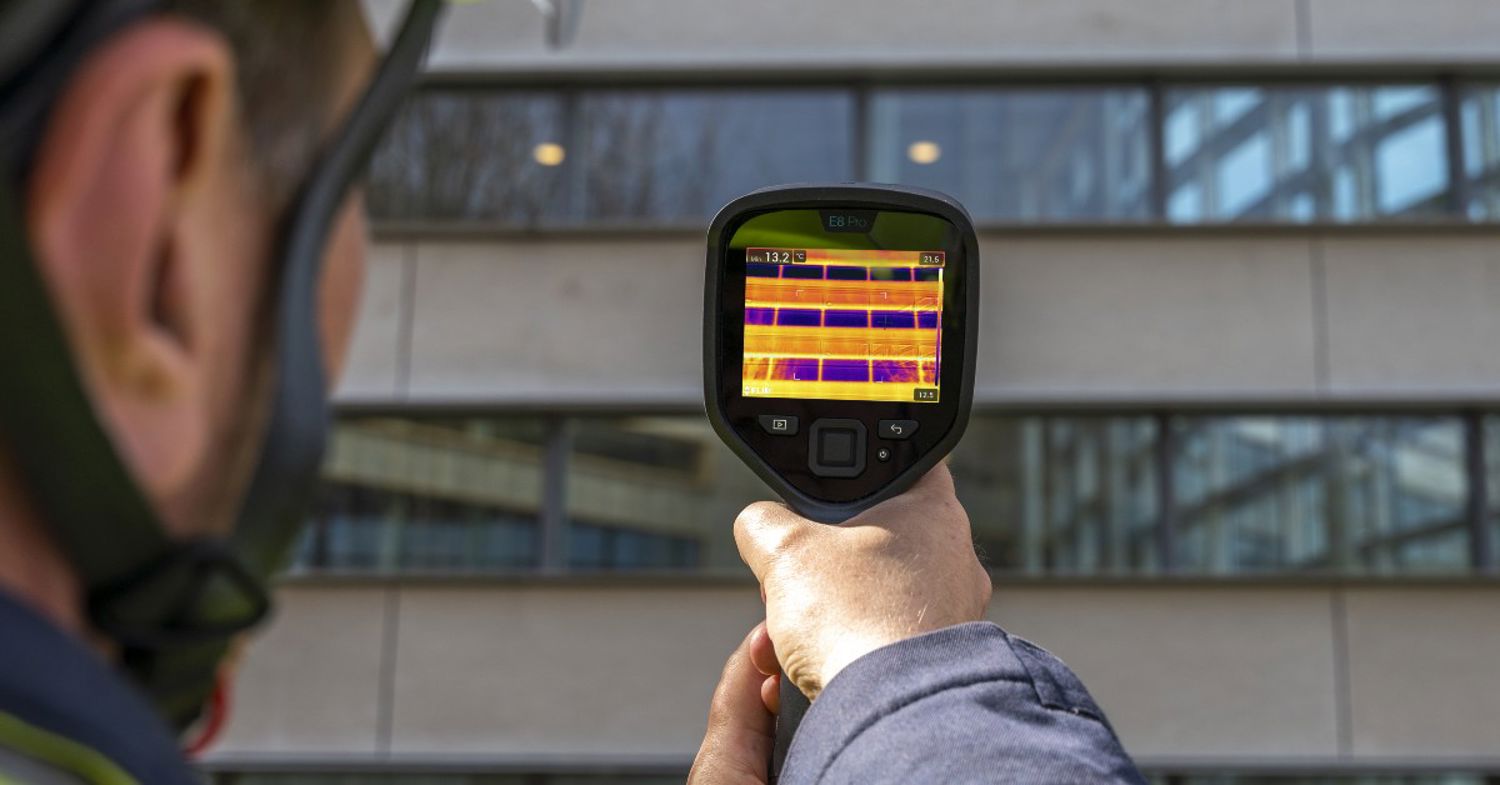
Why Thermal Imaging Inspections Become Necessary in Cocoa Waterfront Homes
Living on the water in Cocoa has its advantages. Scenic views of the Indian River Lagoon. Coastal breezes. Peaceful mornings overlooking the shoreline. But waterfront living also brings one constant factor: moisture.
In Cocoa’s waterfront neighborhoods — and in nearby Merritt Island, Melbourne, Palm Bay, and even inland toward Sanford — humidity and water exposure are part of daily life. Over time, that moisture doesn’t just affect docks and seawalls. It affects homes.
The challenge is that most moisture problems in waterfront properties begin quietly. There’s no dramatic flood. No obvious leak. Just subtle changes that develop behind walls, under floors, and above ceilings.
That’s why thermal imaging inspections have become increasingly necessary in Cocoa waterfront homes. They allow professionals to detect hidden moisture before it turns into structural damage or mold remediation.
What the Issue Really Is
Waterfront homes are constantly exposed to elevated humidity, wind-driven rain, and fluctuating groundwater levels. Even when there’s no visible leak, moisture can enter the structure through:
- Window frames
- Sliding glass doors
- Roof penetrations
- Exterior wall seams
- Slab edges
- Attic ventilation gaps
Once inside, moisture spreads into porous materials like drywall, insulation, and wood framing.
The problem is that hidden moisture doesn’t always leave visible stains right away. Surfaces can appear dry while internal cavities remain damp.
Thermal imaging inspections are designed to detect these hidden moisture pockets before visible damage appears.
Why This Happens So Often in Cocoa Waterfront Properties
Waterfront construction faces environmental pressures that inland homes may not experience as intensely.
Persistent Humidity
Outdoor humidity remains elevated year-round near the water.
Wind-Driven Rain
Storms push rain horizontally into small gaps around windows and siding.
Salt Air Exposure
Salt accelerates corrosion of fasteners, flashing, and HVAC components, increasing leak potential.
High Water Table
Groundwater levels rise quickly during heavy rain, affecting slab foundations.
Temperature Differences
Cool interior air meeting warm, humid outdoor air can create condensation inside wall cavities.
Homes along Cocoa’s waterfront, especially older properties, are particularly vulnerable to gradual moisture intrusion.
Common Signs Property Owners Notice
Waterfront homeowners may notice subtle changes long before visible mold or structural damage develops.
Common warning signs include:
- Musty or damp odors
- Slight paint bubbling
- Warped baseboards
- Minor ceiling discoloration
- Higher indoor humidity readings
- AC running longer than usual
- Dampness around sliding doors
These signs often indicate moisture is present inside materials — even if surfaces feel dry.
Thermal imaging helps confirm whether moisture is actively present or whether the issue is surface-level.
Hidden or Overlooked Moisture Zones in Waterfront Homes
In Cocoa waterfront properties, moisture frequently accumulates in:
- Exterior wall cavities facing the water
- Around large sliding glass doors
- Under window sills
- Beneath laminate or tile flooring
- Inside attic insulation
- Around roof penetrations
- Along slab edges near exterior walls
Condensation inside walls is especially common where warm humid air meets cool interior surfaces.
Without specialized equipment, these damp areas remain invisible.
Why Visual Inspections Alone Aren’t Enough
Many homeowners rely on visible stains to identify moisture problems.
But by the time staining appears, materials may already be saturated.
Visual inspection limitations include:
- Inability to see inside walls
- No measurement of internal moisture content
- Overlooking slab vapor migration
- Missing early-stage condensation buildup
Thermal imaging detects temperature variations that suggest hidden dampness — even when there’s no visible damage yet.
In Florida’s climate, early detection prevents larger repairs later.
Professional Inspection & Detection Explained
A thermal imaging inspection in a Cocoa waterfront home typically includes several components.
Visual Assessment
Reviewing common intrusion points like windows, doors, roofing, and slab edges.
Thermal Imaging Scan
Using infrared cameras to detect cooler areas that indicate moisture presence.
Moisture Meter Confirmation
Verifying readings in suspected damp areas.
Attic Evaluation
Checking insulation and ductwork for condensation.
HVAC Inspection
Ensuring ducts and condensate lines are not contributing to hidden moisture.
Inspections and More FL frequently uses thermal imaging to identify moisture intrusion in waterfront homes before it leads to mold growth or structural deterioration.
The goal is detection — not speculation.
The Science Behind Thermal Imaging
Thermal imaging cameras detect infrared radiation — essentially heat patterns.
When moisture is present inside a wall or ceiling, it changes how that area holds temperature. Wet materials often appear cooler because evaporation lowers surface temperature.
The infrared camera displays these variations as color differences.
However, thermal imaging does not guess. Readings are confirmed using moisture meters to ensure accuracy.
In Cocoa’s humid environment, this technology is especially valuable because condensation may not leave visible signs until damage progresses.
How Thermal Imaging Protects Waterfront Homes
Waterfront properties represent a significant investment.
Thermal imaging inspections protect that investment by:
- Detecting moisture early
- Preventing structural wood rot
- Avoiding insulation deterioration
- Reducing the likelihood of mold growth
- Identifying window and roof seal failures
- Confirming proper drying after storms
Homes in Merritt Island and Melbourne waterfront communities face similar risks, particularly after hurricane season.
Routine thermal inspections help ensure minor intrusion does not escalate.
What Happens If Moisture Goes Undetected
In waterfront environments like Cocoa, undetected moisture can lead to:
- Mold colonization inside walls
- Subfloor weakening
- Corrosion of fasteners
- Insulation breakdown
- Indoor air quality changes
- Costly drywall removal
Because humidity remains elevated near the water, moisture rarely evaporates completely on its own.
Thermal imaging allows homeowners to act before structural damage requires remediation.
Preventing Moisture Problems in Waterfront Homes
Thermal imaging works best alongside preventive maintenance.
Cocoa waterfront homeowners can reduce risk by:
- Inspecting window seals annually
- Maintaining roof flashing
- Monitoring indoor humidity
- Servicing HVAC systems regularly
- Checking attic ventilation
- Scheduling post-storm moisture inspections
- Sealing expansion joints along slabs
Proactive inspection is particularly important after heavy rain or tropical weather events.
Waterfront homes experience more wind pressure and moisture intrusion than inland properties.
Why Local Florida Experience Matters
Moisture behavior in Cocoa waterfront homes differs from inland properties.
The combination of:
- Elevated humidity
- Salt air exposure
- Wind-driven rain
- High groundwater levels
- Warm year-round temperatures
… creates a unique moisture pattern.
Professionals familiar with local construction understand where water tends to enter first and how to interpret thermal imaging accurately in Florida’s climate.
Inspections and More FL approaches thermal imaging inspections with this localized expertise — focusing on waterfront-specific intrusion points and humidity-related condensation patterns.
Understanding the environment makes detection more accurate.
A Calm, Practical Next Step
If you own a waterfront home in Cocoa and notice subtle signs of moisture — or if it’s been some time since your last inspection — a thermal imaging evaluation can provide clarity.
The goal isn’t to assume damage.
It’s to confirm whether hidden moisture is present before it becomes visible.
Waterfront living brings constant exposure to humidity and rain.
Thermal imaging ensures that what you can’t see today doesn’t become a larger issue tomorrow.