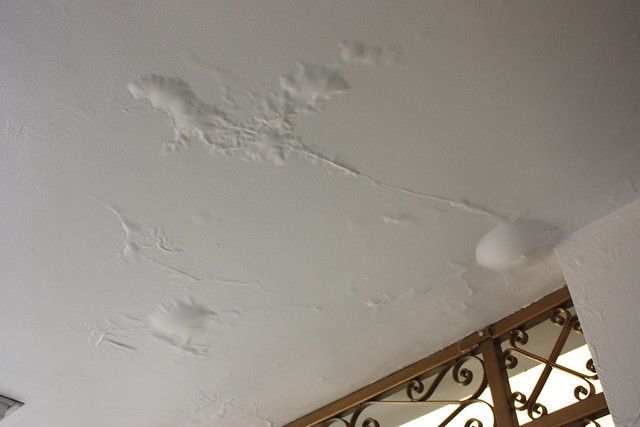
How Moisture Detection Protects Properties in Cocoa During Storm Season
In Cocoa, storm season isn’t a surprise — it’s a routine part of life. Heavy rain, tropical systems, wind-driven water, and days of high humidity create a constant moisture challenge for homeowners and property managers.
The biggest mistake during storm season isn’t the storm itself. It’s assuming everything is fine once the rain stops.
Moisture often spreads quietly behind walls, under flooring, and into attic spaces long before visible damage appears. That’s where professional moisture detection becomes one of the most valuable protective tools for Cocoa properties.
What Storm Season Really Does to Cocoa Homes
Storm systems impact homes in more ways than obvious flooding.
During and after heavy rain, properties experience:
- Wind-driven rain infiltration
- Roof stress and flashing movement
- Soil saturation around foundations
- Rising groundwater levels
- Elevated indoor humidity
- AC systems running continuously
Even if you never see standing water inside your home, moisture may still enter through:
- Exterior wall joints
- Window and door frames
- Roof penetrations
- Slab edges
- HVAC systems
In Florida’s warm climate, that hidden moisture doesn’t take long to create problems.
Why Cocoa Homes Are Especially Vulnerable
Cocoa’s coastal environment amplifies storm-related moisture issues.
High Water Table
After prolonged rain, groundwater levels rise quickly. Slab foundations can transmit vapor upward into interior spaces.
Coastal Humidity
Outdoor air remains humid even after storms pass. Natural drying slows significantly.
Wind-Driven Rain
Strong winds push rain horizontally into small structural gaps.
Aging Materials
Over time, sealants, flashing, and roofing materials degrade.
Continuous Cooling
AC systems work harder during humid periods, increasing condensation potential.
Moisture pressure builds from below, above, and outside — all at once.
The Problem With Waiting for Visible Damage
By the time homeowners notice:
- Ceiling stains
- Warped flooring
- Bubbling paint
- Musty odors
Moisture has usually been present for days or weeks.
In Cocoa’s storm season, mold can begin developing within 24–48 hours when moisture lingers in warm conditions.
Moisture detection protects properties by identifying dampness early — before structural damage spreads.
Where Hidden Moisture Usually Develops During Storm Season
Professional moisture detection often reveals problems in areas homeowners rarely check.
Behind Exterior Walls
Wind-driven rain can saturate insulation without immediate surface signs.
In Attics
Minor roof shifts during storms allow slow leaks that dampen roof decking and framing.
Beneath Flooring
Slab vapor transmission increases when soil becomes saturated.
Around Windows and Doors
Pressure-driven rain exposes weak seals.
Near HVAC Equipment
Extended AC operation increases condensation risk.
These areas may appear dry on the surface but remain damp internally.
How Professional Moisture Detection Works
Moisture detection is more than looking for wet spots.
A structured evaluation typically includes:
Visual Inspection
Checking roof lines, wall transitions, flooring edges, and exterior drainage.
Thermal Imaging
Infrared cameras detect temperature differences that suggest hidden dampness behind walls or beneath flooring.
Moisture Meter Testing
Confirming elevated moisture content in drywall, wood framing, or slab surfaces.
Humidity Measurement
Assessing whether indoor air conditions support drying.
Attic and Crawl Space Evaluation
Examining often-overlooked spaces after heavy rain events.
Companies such as Inspections and More FL use combined detection tools to create a moisture map of the property — identifying not only where moisture is present, but how far it has traveled.
How Moisture Detection Prevents Mold Growth
Mold requires sustained moisture.
When moisture detection identifies damp areas early:
- Structural drying can begin immediately
- Dehumidification can stabilize humidity levels
- Air circulation can be adjusted
- Affected materials can be dried before mold develops
This proactive approach prevents larger remediation projects later.
During Cocoa’s storm season, timing matters.
Protecting Slab Foundations During Storm Season
Slab homes are particularly vulnerable in Cocoa.
When soil remains saturated for extended periods, vapor pressure increases beneath foundations.
Moisture detection can:
- Identify elevated slab moisture
- Detect damp subfloor materials
- Confirm whether vapor intrusion is occurring
- Prevent flooring damage
Without detection, slab-related moisture may go unnoticed until flooring begins to warp.
The Role of Dehumidification After Detection
Once moisture is identified, professional dehumidification becomes critical.
High-capacity systems:
- Lower indoor humidity
- Encourage moisture release from structural materials
- Prevent condensation buildup
- Reduce mold risk
Portable household units rarely keep pace with Florida’s storm-season humidity levels.
Properly sized dehumidification protects both structure and indoor air.
Why DIY Checks Often Miss the Problem
Homeowners commonly rely on:
- Touch testing walls
- Looking for visible stains
- Running fans
- Opening windows
These methods do not detect moisture inside wall cavities or under flooring.
Surface dryness does not equal structural dryness.
Professional detection tools reveal hidden dampness long before visible damage appears.
Long-Term Protection During Repeated Storm Cycles
Cocoa frequently experiences multiple storms in one season.
If moisture remains from one event, the next storm compounds the issue.
Routine post-storm moisture evaluations:
- Confirm structural dryness
- Identify new intrusion points
- Prevent recurring mold cycles
- Protect property value
Proactive inspections are more effective than reactive repairs.
Why Local Experience Matters
Moisture behavior in Cocoa differs from inland regions.
Professionals familiar with Cocoa, Merritt Island, Melbourne, Palm Bay, and Sanford understand:
- Coastal wind-driven rain patterns
- Slab vapor transmission behavior
- Storm-related soil saturation
- AC condensation challenges common in Florida
Local experience allows faster identification of likely moisture pathways.
Inspections and More FL works specifically within these Florida coastal conditions, focusing on early detection and moisture stabilization before cosmetic repairs begin.
A Practical Next Step for Cocoa Property Owners
If your property has experienced heavy rain, tropical systems, or prolonged humidity during storm season, don’t wait for visible damage.
Moisture detection protects your home by identifying hidden dampness early — before mold growth, structural deterioration, or flooring failure occur.
In Florida’s demanding coastal climate, storm season requires vigilance.
A professional moisture evaluation provides clarity, confirms whether your home is truly dry, and protects your structure long after the storm clouds clear.