
How Moisture Detection Protects Properties in Palm Bay When AC Condensation Becomes a Problem
In Palm Bay, air conditioning systems run almost year-round. With long summers, high humidity, and warm coastal air, AC units are not a luxury — they are essential. But while these systems keep homes cool, they can also create hidden moisture issues when condensation is not properly managed.
AC condensation problems are one of the most common sources of unnoticed moisture in Palm Bay homes. When left undetected, that moisture can lead to mold growth, damaged drywall, warped flooring, and even structural deterioration.
Moisture detection plays a critical role in identifying these issues early — before visible damage appears. Let’s take a closer look at how AC condensation creates problems in Florida homes and how professional moisture detection protects properties long-term.
Why AC Condensation Is So Common in Palm Bay
Air conditioning systems remove heat and humidity from indoor air. As warm, humid air passes over cold evaporator coils, moisture condenses and drains away through a condensate line.
In Palm Bay’s humid climate, AC systems generate significant condensation daily. When everything works properly, that moisture drains safely outside.
However, problems arise when:
- Condensate lines clog
- Drain pans crack or overflow
- Duct insulation deteriorates
- Coils freeze and thaw
- Drain lines disconnect
- Humidity levels remain elevated
Even small drainage failures can release water inside wall cavities, ceilings, or attic spaces.
Because condensation develops gradually, moisture can spread silently.
How Condensation Moisture Spreads
AC systems are often located in:
- Attics
- Closets
- Garages
- Utility rooms
When condensate lines clog or drip pans overflow, water may leak onto:
- Drywall ceilings
- Framing
- Insulation
- Subflooring
- Baseboards
In slab foundation homes common throughout Palm Bay, condensation can also accumulate along ductwork running through attic spaces. Over time, duct sweating can dampen insulation and framing.
Unlike burst pipes, condensation leaks often go unnoticed until staining or musty odors appear.
Early Warning Signs of AC Condensation Problems
Homeowners may notice:
- Water stains on ceilings
- Musty smells near vents
- Peeling paint
- Warped baseboards
- Increased indoor humidity
- AC unit shutting off unexpectedly
- Dripping sounds inside walls
These signs often indicate moisture has already been present for some time.
Moisture detection allows professionals to locate hidden dampness before structural damage spreads.
Why Moisture Detection Is Essential
Surface stains only tell part of the story. In Florida’s humid environment, moisture may spread beyond visible areas.
Professional moisture detection includes:
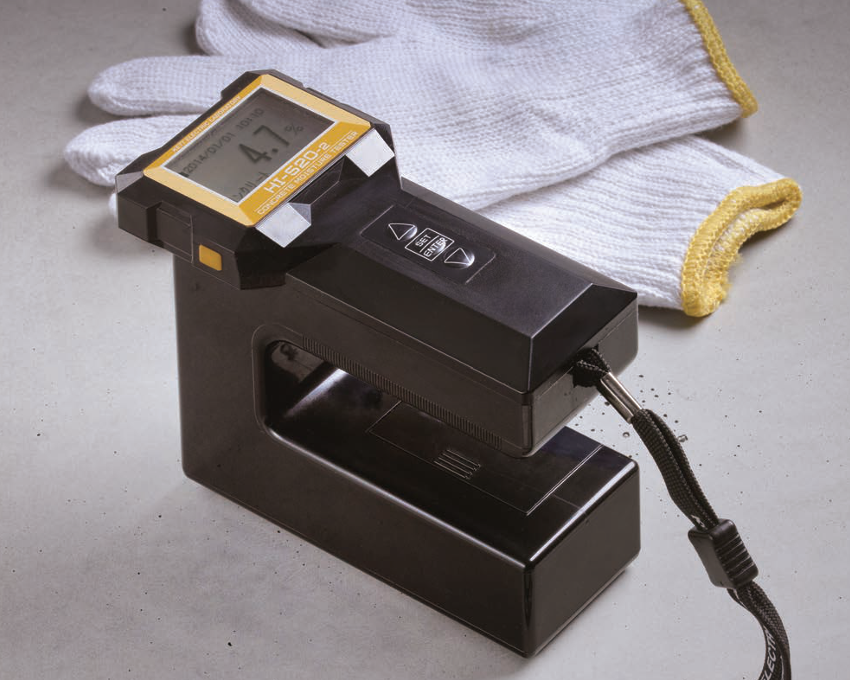
Moisture Meter Testing
Measuring moisture content inside drywall, framing, and flooring.
Elevated readings reveal hidden dampness even when surfaces feel dry.
Thermal Imaging
Infrared cameras detect temperature anomalies caused by moisture behind walls or ceilings.
This helps pinpoint affected areas without unnecessary demolition.
Humidity Monitoring
Checking indoor relative humidity levels to determine whether AC systems are effectively removing moisture.
Ideally, indoor humidity should remain between 45–55%.
Companies like Inspections and More FL use these tools to identify subtle moisture spread patterns common in Palm Bay homes.
How Moisture Detection Prevents Mold Growth
In Palm Bay’s warm climate, mold can begin forming within 24–48 hours when materials remain damp.
Early moisture detection allows for:
- Prompt drying
- Source correction
- Limited material removal
- Reduced contamination spread
Without detection, mold may develop behind walls or above ceilings before homeowners notice.
By identifying damp areas early, remediation can remain targeted and controlled.
Protecting Structural Integrity
Condensation leaks may seem minor, but prolonged exposure weakens building materials.
Moisture detection protects:
- Ceiling drywall
- Attic framing
- Insulation performance
- Subfloor stability
- HVAC duct integrity
Wood framing that remains damp for extended periods may begin deteriorating.
Early intervention prevents costly structural repairs.
Correcting the Source of Condensation
Moisture detection not only identifies damp areas — it helps determine why condensation is occurring.
Common AC-related issues include:
- Clogged drain lines
- Improper drain slope
- Damaged drain pans
- Inadequate duct insulation
- Oversized HVAC systems causing short cycling
- Poor attic ventilation
Identifying the root cause ensures the problem does not return after drying.
The Role of Controlled Drying
If elevated moisture is found, controlled drying may be necessary.
This often involves:
- Industrial dehumidifiers
- Air movers
- Opening small sections of drywall if needed
- Monitoring moisture levels daily
In Palm Bay’s humid environment, simply running the AC is rarely enough to dry saturated materials.
Drying must be verified before repairs begin.
Common Mistakes Homeowners Make
When condensation becomes a problem, some homeowners:
- Paint over stains
- Run household fans
- Ignore minor dripping
- Replace drywall without fixing drain lines
- Lower the thermostat repeatedly
These steps may temporarily hide symptoms but do not address underlying moisture.
Moisture detection provides clarity before unnecessary repairs are made.
Cost Factors to Consider
Costs for moisture detection and corrective action depend on:
- Size of affected area
- Extent of moisture spread
- Accessibility of HVAC components
- Duration of dampness
- Need for structural drying
Early detection significantly reduces overall repair costs.
Delays increase both contamination and structural involvement.
Long-Term Prevention Strategies
Palm Bay homeowners can reduce AC condensation risks by:
- Scheduling annual HVAC maintenance
- Flushing condensate lines regularly
- Monitoring indoor humidity
- Ensuring ducts are properly insulated
- Inspecting attic ventilation
- Checking drain pans for rust or cracks
- Addressing minor leaks immediately
Routine inspections help catch small issues before they escalate.
Why Local Palm Bay Experience Matters
Palm Bay homes face unique environmental conditions:
- High coastal humidity
- Frequent summer storms
- Slab foundation construction
- Year-round AC usage
Professionals familiar with these local factors understand how condensation behaves in Florida homes.
They know where moisture typically hides — and how to detect it before damage spreads.
A Practical, Protective Approach
AC condensation may seem like a minor inconvenience, but in Palm Bay’s humid climate, it can quickly become a serious moisture issue.
The proper response always follows a structured sequence:
Detect hidden moisture.
Correct the condensation source.
Dry affected materials thoroughly.
Verify moisture stabilization.
Monitor humidity long-term.
Moisture detection protects properties by identifying problems early, limiting mold growth, preserving structural integrity, and preventing unnecessary demolition.
In Florida’s climate, what starts as a small drip can quietly become a larger issue. With proactive moisture detection, Palm Bay homeowners can protect their properties from the silent damage caused by AC condensation problems.
