
Why Moisture Detection Becomes Necessary in Melbourne in Older Florida Homes
Older homes in Melbourne have character, craftsmanship, and history that many newer builds simply cannot replicate. From original hardwood floors to mature landscaping and established neighborhoods, these properties carry long-term value. But beneath that charm, older Florida homes face a consistent and often underestimated threat — hidden moisture.
In Melbourne’s humid coastal climate, moisture is not occasional. It is constant. Combine that with aging building materials, outdated construction standards, and decades of storm exposure, and you have a situation where moisture detection becomes essential rather than optional.
Understanding why moisture detection is necessary in older homes can prevent structural damage, mold growth, and expensive repairs down the road.
Melbourne’s Climate Puts Continuous Pressure on Older Structures
Melbourne sits along Florida’s Space Coast, where humidity remains elevated most of the year. Even during cooler months, moisture levels stay high compared to inland regions.
Older homes were often built without:
- Modern vapor barriers
- Advanced flashing systems
- Improved attic ventilation designs
- Sealed building envelopes
- Updated drainage systems
At the time of construction, these systems may not have been required. Over decades, exposure to:
- Heavy seasonal rain
- Hurricane-force winds
- Salt air corrosion
- High groundwater levels
- Constant HVAC use
gradually weakens structural defenses.
Moisture finds its way inside.
How Moisture Enters Older Homes
Moisture intrusion in older Florida homes often occurs gradually rather than dramatically.
Common entry points include:
Aging Roofing Systems
Shingles, flashing, and underlayment degrade over time. Even small gaps allow wind-driven rain to enter attic spaces.
Outdated Windows and Door Seals
Older caulking and weatherstripping deteriorate, creating small openings for moisture intrusion.
Slab Foundation Moisture Migration
Many older homes in Melbourne were built directly on concrete slabs without modern vapor barriers. After heavy rain, hydrostatic pressure may push moisture upward through the slab.
Aging Plumbing Systems
Original copper or galvanized pipes may develop slow leaks inside walls or beneath flooring.
HVAC Condensation
Older ductwork insulation may break down, allowing condensation to form in attic spaces.
These issues rarely cause immediate visible flooding. Instead, they allow moisture to accumulate slowly.
Why Moisture Spreads Silently in Older Homes
Once moisture enters, it rarely stays localized.
It may travel:
- Along roof decking
- Through wall cavities
- Beneath flooring
- Across ceiling joists
- Inside insulation layers
Because these areas are concealed, moisture often goes unnoticed for weeks or months.
In Melbourne’s warm climate, mold can begin forming within 24 to 48 hours when materials remain damp.
By the time homeowners notice a musty odor or ceiling stain, moisture may have already affected a larger area.
Early Warning Signs That Should Not Be Ignored
Older homes may show subtle signs of moisture intrusion:
- Persistent musty smells
- Bubbling paint
- Warped baseboards
- Slight drywall softening
- Discoloration on ceilings
- Increased indoor humidity
- Uneven or soft flooring
These symptoms often appear after moisture has been present for some time.
Moisture detection identifies the extent of hidden spread before major damage occurs.
Why Visual Inspection Alone Is Not Enough
In older homes, cosmetic surfaces may hide underlying issues.
Fresh paint can conceal drywall moisture. Flooring may appear intact while the subfloor underneath remains damp. Attics may look dry while roof decking retains elevated moisture content.
Professional moisture detection uses specialized tools to uncover what the eye cannot see.
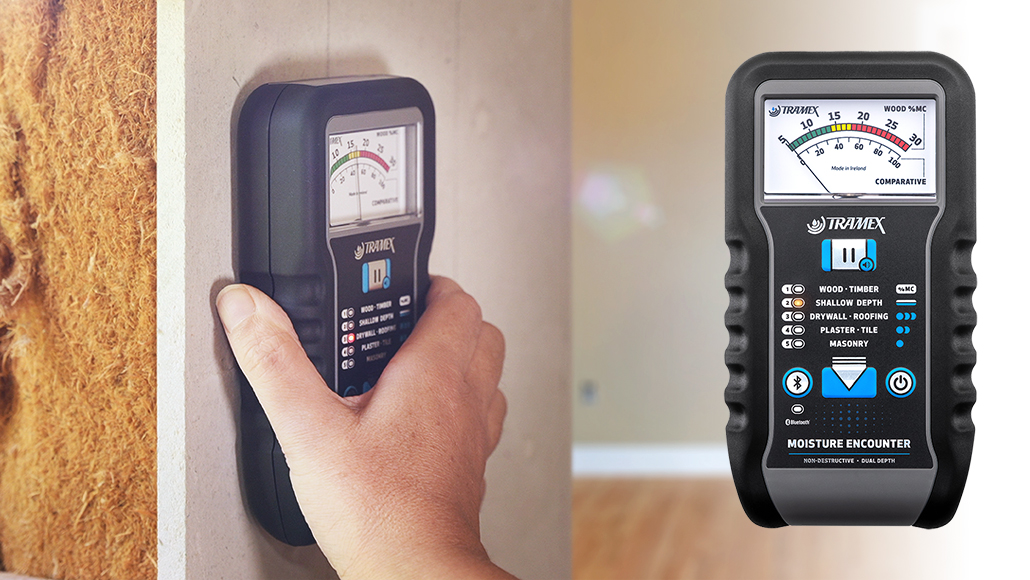
Moisture Meters
These measure moisture levels within drywall, framing, and flooring materials.
Elevated readings indicate hidden dampness.
Thermal Imaging
Infrared cameras detect temperature variations caused by moisture behind walls or ceilings.
This allows targeted investigation without unnecessary demolition.
Humidity Testing
Monitoring indoor humidity reveals whether HVAC systems are effectively controlling moisture.
Companies like Inspections and More FL rely on these tools to evaluate older Melbourne homes thoroughly.
Structural Risks of Undetected Moisture
Prolonged moisture exposure weakens building materials over time.
Potential risks include:
Wood Rot
Structural framing can deteriorate when moisture remains elevated.
Subfloor Damage
Damp subfloors may soften and lose load-bearing capacity.
Attic Decking Deterioration
Roof sheathing may weaken if repeatedly exposed to condensation or leaks.
Insulation Failure
Wet insulation loses thermal efficiency and may promote mold growth.
Moisture detection prevents minor issues from becoming structural concerns.
Mold Growth in Older Florida Homes
Melbourne’s humidity accelerates mold development.
When moisture remains trapped in:
- Wall cavities
- Attic framing
- Slab edges
- Flooring systems
microbial growth may occur quickly.
Moisture detection allows early drying, limiting contamination spread and reducing the need for extensive remediation.
Without detection, mold may develop behind walls for months before discovery.
Common Mistakes Homeowners Make
In older homes, some property owners:
- Paint over water stains
- Replace damaged drywall without investigating the source
- Assume small leaks will dry naturally
- Run fans instead of dehumidifiers
- Ignore minor musty odors
In Florida’s climate, moisture rarely evaporates completely without intervention.
Identifying the source is critical.
Cost Factors to Consider
Moisture detection is typically far less expensive than structural repair.
Costs vary depending on:
- Home size
- Accessibility of attic or crawl space
- Number of areas tested
- Extent of suspected moisture
Early detection significantly reduces overall repair expenses.
Waiting increases the likelihood of mold remediation and structural repair.
Long-Term Prevention Strategies for Older Homes
Melbourne homeowners can reduce risk by:
- Maintaining indoor humidity between 45% and 55%
- Scheduling annual roof inspections
- Upgrading ventilation where needed
- Servicing HVAC systems regularly
- Addressing plumbing leaks immediately
- Considering vapor barrier upgrades
- Scheduling periodic moisture evaluations
Preventive maintenance extends the lifespan of aging materials.
Why Local Experience Matters
Older homes in Melbourne face:
- Coastal humidity cycles
- Salt air exposure
- Frequent tropical systems
- Slab foundation construction
- Decades of environmental wear
Professionals familiar with local building styles understand how moisture behaves differently in older Florida construction.
That local knowledge ensures moisture detection is thorough and targeted.
A Structured Approach to Protecting Older Homes
Moisture detection is not about finding problems — it is about preventing them from escalating.
The proper sequence is:
Identify hidden moisture.
Locate the source.
Correct intrusion points.
Dry affected materials.
Monitor humidity levels long-term.
In Melbourne’s humid coastal climate, moisture detection becomes necessary in older homes because environmental pressure never truly stops.
By proactively identifying hidden dampness, homeowners protect structural integrity, prevent mold growth, and preserve the long-term value of their property.
In Florida, moisture rarely announces itself loudly. It spreads quietly. Detecting it early makes all the difference.
