
How Moisture Detection Protects Properties in Sanford After Heavy Rainstorms
Heavy rainstorms in Sanford don’t just soak lawns and fill retention ponds — they test every part of a home’s exterior envelope. Wind-driven rain, prolonged downpours, and saturated soil can introduce moisture into areas homeowners rarely inspect.
The problem is that storm-related moisture doesn’t always announce itself with visible leaks. In many Sanford homes, water intrusion remains hidden behind walls, beneath flooring, or inside attic insulation long after the skies clear.
That’s where professional moisture detection becomes critical.
Moisture detection protects properties by identifying hidden dampness early — before it leads to structural deterioration or costly remediation.
Let’s take a closer look at why this matters so much after heavy rainstorms in Central Florida.
Why Heavy Rainstorms Create Hidden Moisture Risks
Sanford experiences intense summer storms and hurricane-season rainfall. During these events:
- Wind forces rain under shingles and flashing
- Gutters overflow and saturate exterior walls
- Soil around slab foundations becomes saturated
- High water tables rise temporarily
- Outdoor humidity remains elevated for days
Even if no water is visibly dripping indoors, moisture may have entered through small gaps.
Common intrusion points include:
- Roof flashing seams
- Window frames
- Door thresholds
- Exterior wall penetrations
- Foundation cracks
Because Florida humidity slows drying, that moisture often lingers longer than homeowners expect.
Why Moisture Isn’t Always Visible
After a storm, drywall may look fine. Flooring may feel dry. Ceilings may show no staining.
But inside wall cavities or beneath flooring:
- Insulation may be damp
- Framing may be absorbing moisture
- Slab edges may hold elevated moisture
- Attic sheathing may remain wet
Without proper detection tools, these areas go unchecked.
Hidden moisture can persist quietly for days or weeks.
What Professional Moisture Detection Involves
Moisture detection goes beyond visual inspection.
In Sanford homes after heavy rainstorms, professionals typically use:
Moisture Meters
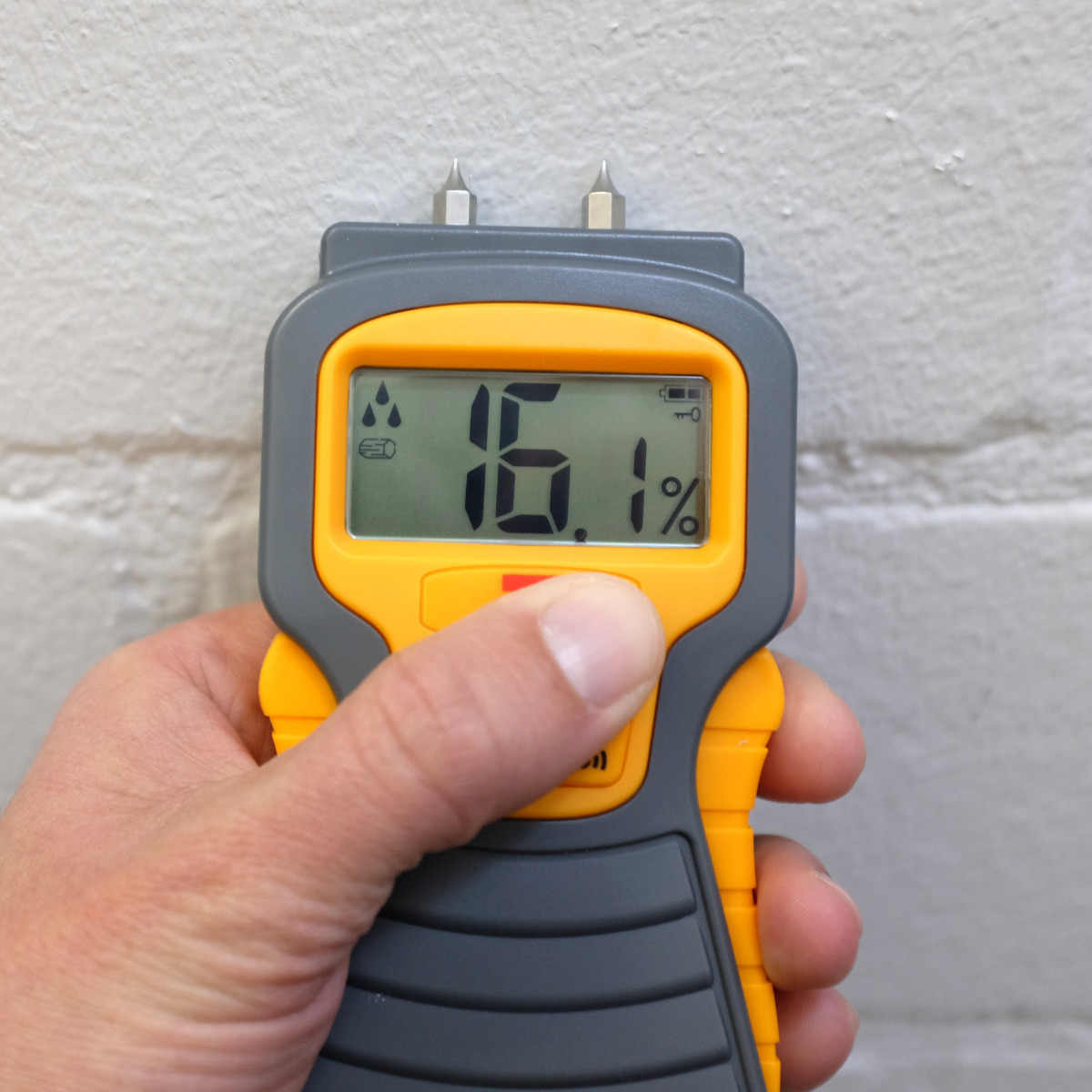
Pin and pinless meters measure moisture content in drywall, wood, and flooring.
Thermal Imaging
Infrared cameras identify temperature variations that may indicate damp areas.
Humidity Monitoring
Indoor relative humidity readings reveal environmental imbalance.
Attic and Crawl Space Inspection
Hidden structural areas are physically examined for elevated moisture.
These tools allow inspectors to locate problems before visible damage appears.
Slab Foundation Challenges in Sanford
Many Sanford homes are slab-on-grade construction.
After heavy rain:
- Soil around the slab becomes saturated
- Concrete absorbs moisture
- Water migrates upward
- Flooring systems trap dampness
Slab moisture often doesn’t create immediate visual signs.
Moisture detection along slab edges and baseboards helps identify rising dampness early.
Without detection, repeated saturation cycles can weaken lower wall assemblies over time.
Attic Moisture After Storms
Roof systems endure intense pressure during Florida storms.
Even without interior leaks, attic spaces may experience:
- Wind-driven rain intrusion
- Damp insulation
- Wet roof decking
- Elevated attic humidity
Moisture detection in attics often reveals hidden dampness days after a storm.
Early identification prevents long-term deterioration of roof framing.
Why Humidity Makes Early Detection So Important
Sanford’s high humidity slows evaporation.
After storms:
- Outdoor humidity remains elevated
- Indoor humidity may rise
- Natural drying is limited
- Repeated rainfall interrupts drying cycles
Moisture that might evaporate quickly in dry climates often remains embedded in Florida materials.
The longer moisture remains, the greater the risk of structural impact.
Early detection interrupts that cycle.
How Early Detection Saves Money
When moisture is detected early:
- Drying can begin immediately
- Damaged areas are limited
- Material removal may be avoided
- Mold growth risk decreases
- Repairs remain localized
When moisture is ignored:
- Drywall may deteriorate
- Flooring adhesives may fail
- Framing may weaken
- Larger remediation may become necessary
The difference in repair scope can be significant.
Early moisture detection often reduces long-term restoration costs.
The Role of Structural Drying After Detection
Once moisture is identified, drying begins.
In Sanford homes, this may include:
- Commercial dehumidifiers
- High-velocity air movers
- Controlled airflow
- Humidity stabilization
- Moisture monitoring until safe levels are reached
Drying verification is critical in Florida’s climate.
Surface dryness doesn’t always reflect internal moisture levels.
At Inspections and More FL, measured readings guide every stage of the process.
Why DIY Moisture Checks Fall Short
Homeowners often rely on visual inspection alone.
But without professional tools:
- Hidden wall moisture remains undetected
- Slab dampness goes unnoticed
- Attic moisture may be missed
- Humidity levels may not be monitored accurately
Affordable handheld tools lack the precision needed for structural evaluation.
Professional moisture detection provides reliable data — not guesswork.
Preventing Recurring Storm-Related Issues
Sanford homeowners can reduce post-storm moisture risks by:
- Scheduling roof inspections after major storms
- Checking attic insulation annually
- Monitoring indoor humidity (keep below 60%)
- Ensuring gutters and drainage systems function properly
- Scheduling periodic moisture evaluations
Storms are inevitable. Structural damage doesn’t have to be.
Why Local Experience Matters in Sanford
Moisture behavior in Central Florida differs from dry inland regions.
Local professionals understand:
- How high water tables affect slabs
- How humidity slows drying
- How storm cycles influence building materials
- How Sanford soil conditions vary by neighborhood
- How to interpret moisture readings accurately in humid environments
Experience across Sanford, Cocoa, Palm Bay, and Merritt Island ensures moisture detection strategies reflect Florida’s environmental realities.
Protecting Your Sanford Property After Heavy Rain
Heavy rainstorms introduce more than surface water. They create hidden moisture risks that can impact structural materials long after the storm ends.
Moisture detection protects Sanford properties by:
- Identifying hidden dampness early
- Guiding targeted drying
- Preventing unnecessary demolition
- Reducing mold risk
- Preserving structural integrity
In Florida’s humid climate, waiting for visible damage often means waiting too long.
If your Sanford home has experienced heavy rainstorms, a professional moisture evaluation can ensure hidden dampness is identified and addressed before small issues evolve into major repairs.
Proactive detection is one of the most effective ways to protect your property after severe weather.
