
Understanding Air Blower Installation Challenges in Cocoa After Roof Failures
Roof failures in Cocoa rarely end with just a shingle repair. Once wind-driven rain enters an attic, moisture spreads into insulation, roof decking, and structural framing. In Florida’s humid climate, that moisture doesn’t disappear quickly — and that’s where airflow correction often becomes necessary.
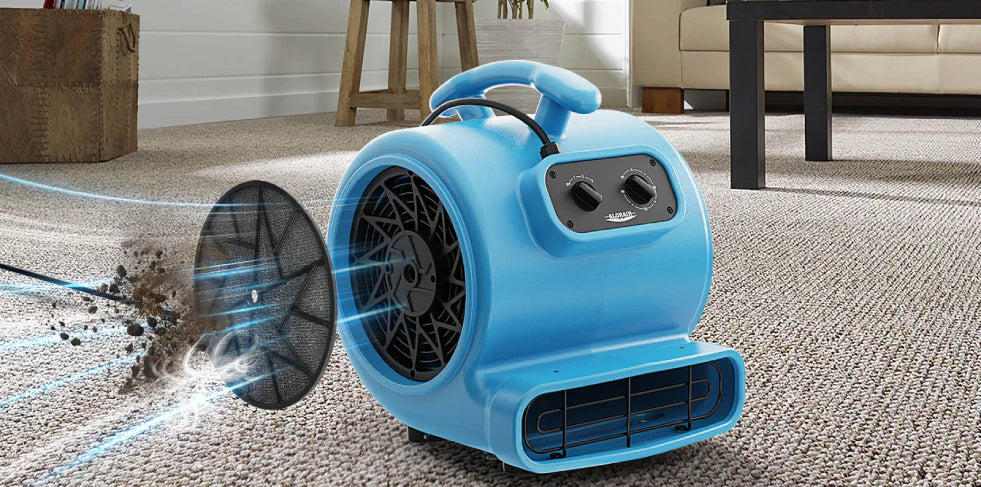
Air blower installation inside attic spaces is commonly used to improve circulation and assist with drying after roof intrusion. But in Cocoa homes, the process isn’t always straightforward.
Let’s take a closer look at why air blower installation becomes challenging after roof failures in coastal Florida — and how professionals approach those challenges properly.
Why Roof Failures in Cocoa Create Airflow Problems
Cocoa’s coastal environment introduces several complications after roof damage:
- High outdoor humidity
- Heavy rainfall during storm season
- Salt-heavy air accelerating material wear
- Repeated storm cycles
- Elevated attic temperatures
When a roof leak occurs, attic insulation absorbs moisture and airflow patterns shift.
Wet insulation compresses. Wood framing swells slightly. Vent pathways may become restricted.
As moisture lingers, stagnant air pockets develop.
Air blowers are installed to restore consistent airflow — but the conditions inside a post-leak attic can complicate installation.
Challenge #1: High Humidity Reduces Drying Efficiency
Air blowers move air. They don’t remove moisture by themselves.
In Cocoa’s humid environment:
- Outdoor humidity often exceeds 70%
- Ventilation may introduce more moist air
- Evaporation slows dramatically
If blowers are installed without pairing them with dehumidification, moisture may continue circulating rather than being removed.
That’s why airflow planning must consider Florida’s environmental conditions — not just air movement alone.
Challenge #2: Wet Insulation Blocks Air Movement
After a roof failure, insulation often becomes saturated.
Wet insulation:
- Restricts airflow
- Holds moisture against roof decking
- Traps humidity beneath it
Installing air blowers without addressing insulation may create uneven drying.
In many Cocoa homes, insulation removal is necessary before effective airflow can be restored.
Skipping that step reduces the effectiveness of the blower system.
Challenge #3: Identifying Hidden Moisture Spread
Roof leaks rarely drip straight down.
In Cocoa homes, water often:
- Travels laterally across roof decking
- Follows rafters
- Soaks into soffits
- Migrates into wall cavities
Air blower placement must target actual moisture zones — not just visible damage.
Professionals use:
- Moisture meters
- Thermal imaging
- Humidity monitoring
Proper placement ensures airflow reaches damp structural areas.
Challenge #4: Passive Ventilation Conflicts
Most Cocoa homes already have passive attic ventilation systems, such as ridge vents or soffit vents.
After roof failures, passive vents can:
- Pull in humid outside air
- Create uneven pressure
- Disrupt controlled airflow
Air blower installation must account for existing vent systems.
Sometimes passive vents are temporarily sealed during drying to control airflow direction.
This balance requires experience with Florida building styles.
Challenge #5: Electrical and Access Limitations
Attics in Cocoa often have:
- Limited access points
- Tight clearances
- Obstructed framing
- Exposed ductwork
Installing air blowers safely requires proper placement, secure power supply, and stable positioning.
Improper installation can:
- Create uneven drying
- Overheat equipment
- Damage insulation or framing
Professional planning prevents these issues.
The Role of Dehumidification in Air Blower Systems
In Florida, air blowers and dehumidifiers work together.
Air blowers:
- Circulate air across damp surfaces
- Reduce stagnant zones
- Support evaporation
Dehumidifiers:
- Remove moisture from the air
- Lower relative humidity
- Accelerate drying
In Cocoa’s climate, relying on air movement alone often extends recovery time.
Combining both systems improves effectiveness.
Why Timing Matters After Roof Failures
The sooner airflow and drying begin, the better.
In Cocoa’s warm climate:
- Moisture absorption happens quickly
- Humidity remains elevated
- Microbial growth can begin within days
Delayed installation increases the likelihood of additional remediation steps later.
Early moisture detection and airflow correction often prevent larger repairs.
Signs Air Blower Installation May Be Needed
After a roof failure in Cocoa, homeowners should consider an airflow evaluation if they notice:
- Persistent attic humidity
- Damp insulation
- Musty odors
- Elevated indoor humidity
- Repeated minor condensation
- Moisture readings remaining high
Airflow imbalance often continues even after the visible leak is repaired.
Why DIY Fans Don’t Solve the Problem
Homeowners sometimes place box fans in the attic.
However:
- Household fans lack sufficient airflow capacity
- Air movement may be misdirected
- Outdoor humidity may worsen conditions
- No moisture verification confirms success
Professional air blowers are selected based on attic volume and moisture levels.
Monitoring ensures drying is complete.
Long-Term Structural Protection
When properly installed and monitored, air blower systems:
- Improve attic ventilation
- Reduce moisture buildup
- Protect roof decking
- Stabilize insulation
- Support long-term durability
In Cocoa’s storm-prone environment, airflow management often becomes part of preventative maintenance.
Why Local Experience Matters in Cocoa
Airflow strategies that work in dry climates often fail in Florida.
Local professionals understand:
- How wind-driven rain behaves
- How humidity fluctuates seasonally
- How slab homes influence attic pressure
- How salt air affects roofing materials
- How to interpret moisture readings accurately
Experience across Cocoa, Merritt Island, Palm Bay, and Melbourne ensures air blower installation is used appropriately and effectively.
At Inspections and More FL, airflow decisions are based on measured data and real-world coastal experience.
The Bottom Line
Air blower installation after roof failures in Cocoa plays a vital role in restoring attic stability — but it comes with challenges unique to Florida’s climate.
High humidity, wet insulation, passive ventilation conflicts, and hidden moisture spread all complicate the process.
When handled correctly, air blowers:
- Restore airflow balance
- Support structural drying
- Reduce recurrence risk
- Protect roof framing
- Improve overall attic stability
If your Cocoa home has experienced roof intrusion, a professional evaluation can determine whether airflow correction is necessary to fully stabilize the structure.
In Florida’s humid environment, proper planning makes all the difference.
