
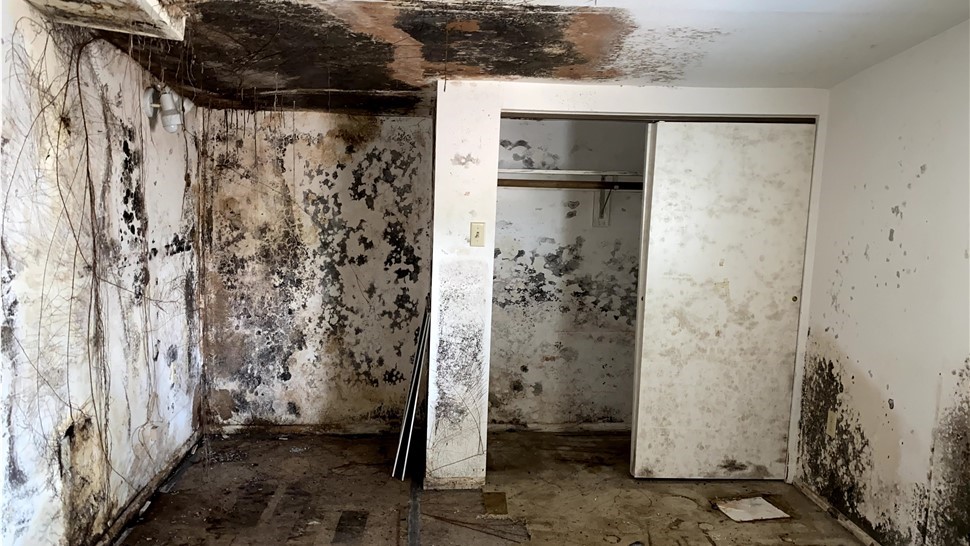
How Mold Remediation Protects Properties in Cocoa in Waterfront Homes
Living on the water in Cocoa offers incredible views, steady coastal breezes, and direct access to Florida’s natural beauty. But waterfront living also brings higher moisture exposure, salt air corrosion, elevated humidity, and increased risk of water intrusion. For property owners, that combination makes mold prevention and remediation especially important.
Mold remediation in waterfront homes is not simply about cleaning visible growth. It’s about protecting structural integrity, indoor air quality, and long-term property value in one of Florida’s most moisture-exposed environments.
Let’s take a closer look at why waterfront homes in Cocoa are more vulnerable, how mold develops in these properties, and how proper remediation protects the building from recurring issues.
Why Waterfront Homes in Cocoa Face Higher Mold Risk
Waterfront properties are exposed to environmental factors that inland homes do not experience as intensely.
Persistent Humidity
Even on sunny days, waterfront air contains elevated moisture. Relative humidity often stays high year-round, especially during summer and storm season.
That moisture does not remain outside. It enters homes through normal air exchange, door openings, and ventilation systems.
Salt Air Exposure
Salt air gradually corrodes flashing, fasteners, and exterior seals. Over time, small gaps develop in roofing and siding systems, allowing wind-driven rain to enter.
Wind-Driven Storms
Homes along the water experience stronger winds during storms. Rain rarely falls straight down — it pushes horizontally against windows, soffits, and roof edges.
Elevated Water Tables
Waterfront homes often sit closer to the water table. After heavy rain, moisture pressure against slab foundations increases, allowing dampness to wick upward through concrete.
These combined conditions create an environment where moisture intrusion is common — even in well-maintained properties.
How Mold Develops in Waterfront Properties
Mold does not require standing water. It only needs moisture and organic material.
In Cocoa waterfront homes, mold frequently develops in:
- Attic roof decking after storm intrusion
- Crawl spaces with high ground moisture
- Behind drywall on exterior-facing walls
- Around window frames
- Under hardwood flooring
- Inside HVAC ductwork
Because humidity remains elevated, materials dry slowly. Insulation and wood framing can hold moisture long enough for mold growth to begin.
Often, homeowners notice musty odors before visible mold appears.
Early Warning Signs in Waterfront Homes
Property owners in Cocoa should watch for:
- Persistent musty smells
- Ceiling discoloration
- Warped trim
- Bubbling paint near windows
- Soft drywall
- Increased indoor humidity
- Condensation around vents
Waterfront conditions can mask problems. A home may feel cool due to air conditioning, but humidity inside walls may remain high.
Why Mold Remediation Is Essential
Mold remediation protects waterfront homes in several important ways.
Structural Protection
Moisture and mold weaken organic materials like wood framing and sheathing. Left untreated, this can compromise structural stability over time.
Proper remediation removes contaminated materials and stabilizes remaining structural components.
Indoor Air Quality Improvement
Waterfront homes often rely heavily on HVAC systems. If mold spores enter ductwork, they can circulate throughout the property.
Remediation combined with air scrubbing restores cleaner indoor air.
Prevention of Recurrence
Professional remediation addresses both contamination and moisture sources. Without correcting the cause, mold returns — especially in humid coastal climates.
The Step-by-Step Mold Remediation Process
In Cocoa waterfront homes, remediation follows a structured approach.
Step 1: Full Moisture Assessment
Professionals begin with:
- Visual inspection
- Moisture meter testing
- Thermal imaging
- Humidity measurement
- Attic and crawl space evaluation
Identifying hidden moisture is critical in coastal environments.
Companies like Inspections and More FL focus on locating both visible and concealed damp areas before starting remediation.
Step 2: Correcting the Moisture Source
Remediation cannot succeed without addressing intrusion points.
Common waterfront moisture sources include:
- Roof flashing deterioration
- Window seal failure
- Crawl space vapor intrusion
- AC condensate drainage issues
- Slab foundation moisture migration
These issues must be corrected before removal begins.
Step 3: Containment
Affected areas are isolated using barriers and negative air pressure systems.
This prevents airborne spores from spreading into unaffected rooms — especially important in open-concept waterfront homes.
Step 4: Removal of Contaminated Materials
Damaged drywall, insulation, and porous materials are removed if necessary.
Structural framing is cleaned and treated when salvageable.
Surface cleaning alone is not sufficient in most cases.
Step 5: HEPA Air Filtration
Air scrubbers run continuously during remediation to remove airborne spores.
In humid waterfront conditions, this step is critical for restoring indoor air quality.
Step 6: Structural Drying
Industrial dehumidifiers reduce moisture levels in framing, subflooring, and slabs.
Because waterfront air is humid, drying may take longer than in inland areas.
Moisture levels are verified before rebuilding begins.
Step 7: Mold Encapsulation (If Needed)
In certain structural areas such as crawl spaces or attic framing, mold encapsulation may be applied after proper cleaning and drying.
Encapsulation provides an added protective barrier against moisture reabsorption.
Common Mistakes Waterfront Property Owners Make
Waterfront homeowners sometimes:
- Delay inspections after storms
- Use bleach alone
- Repaint stained areas
- Ignore crawl space moisture
- Assume cool air means dry air
- Skip attic inspections
In Cocoa’s coastal climate, small moisture issues escalate quickly.
Early professional evaluation reduces long-term costs.
Cost Factors for Waterfront Mold Remediation
Costs vary depending on:
- Size of affected area
- Accessibility (attic or crawl space)
- Depth of contamination
- Moisture source repairs required
- Length of drying process
Waterfront homes may require more extensive evaluation due to environmental exposure.
Investing in thorough remediation protects long-term property value.
Preventing Mold in Cocoa Waterfront Homes
While waterfront exposure increases risk, proactive steps help reduce recurrence.
Property owners should:
- Inspect roofs annually
- Seal windows and doors
- Maintain crawl space vapor barriers
- Monitor indoor humidity (45–55%)
- Service HVAC systems regularly
- Schedule post-storm moisture checks
- Ensure proper attic ventilation
Prevention becomes part of responsible waterfront ownership.
Why Local Coastal Experience Matters
Mold remediation in Cocoa waterfront homes requires understanding:
- Salt air impact on building materials
- Wind-driven rain patterns
- Slab foundation moisture behavior
- High water table conditions
- Florida humidity cycles
Professionals familiar with these coastal factors provide more accurate detection and more effective remediation planning.
A generic approach does not work in waterfront environments.
A Practical Approach to Protecting Waterfront Properties
Waterfront living in Cocoa brings unique beauty — and unique moisture challenges.
If you notice musty odors, staining, or elevated humidity in your waterfront property, a structured mold evaluation provides clarity.
The remediation process should always follow a logical order:
Identify moisture.
Correct the source.
Contain contamination.
Remove damaged materials.
Dry thoroughly.
Stabilize and protect structural components.
When mold remediation is handled properly, waterfront homes in Cocoa remain structurally sound, moisture-controlled, and protected against future coastal exposure.
In Florida’s climate, mold prevention is ongoing — but with the right approach, waterfront properties can remain healthy and resilient year-round.
