
Why Structural Dryouts Become Necessary in Cocoa Under Hardwood Flooring
Hardwood flooring adds warmth, value, and character to homes in Cocoa. But in Florida’s humid coastal climate, hardwood also becomes one of the first materials to show signs of hidden moisture problems. When water intrusion occurs — whether from plumbing leaks, storm-driven rain, slab moisture, or high humidity — structural dryouts often become necessary beneath hardwood flooring to prevent long-term damage.
In Cocoa and nearby areas like Merritt Island and Melbourne, moisture does not simply disappear on its own. The combination of high water tables, coastal air, heavy rain seasons, and year-round humidity creates an environment where moisture lingers. If hardwood flooring absorbs that moisture and it spreads into the subfloor or slab, the damage can extend beyond what’s visible on the surface.
Understanding why structural dryouts are often required — and how they protect your property — is essential for homeowners and property managers in this region.
How Moisture Gets Under Hardwood Flooring in Cocoa
Many people assume water damage only happens after obvious flooding. In reality, moisture intrusion under hardwood flooring often starts subtly.
Common causes include:
- Small plumbing leaks under sinks or appliances
- AC condensation issues
- Roof leaks during wind-driven storms
- Slab foundation moisture migration
- High indoor humidity
- Minor appliance overflows
In Cocoa’s climate, even elevated humidity alone can impact hardwood over time. When indoor relative humidity rises above 60%, wood begins absorbing moisture from the air. If moisture also migrates upward from a slab foundation, the flooring and subfloor become trapped between two moisture sources.
Because hardwood is porous, it reacts quickly.
Early Signs of Moisture Under Hardwood
Homeowners often notice surface changes first:
- Cupping (edges higher than the center)
- Crowning (center higher than edges)
- Buckling or lifting
- Gapping between boards
- Soft spots
- Musty odors
These changes indicate that moisture is affecting not only the flooring but potentially the structural layers beneath it.
Ignoring these signs can lead to mold growth, subfloor deterioration, and permanent flooring damage.
Why Cocoa’s Climate Makes the Problem Worse
Structural dryouts are especially necessary in Cocoa because of local environmental factors.
High Humidity Year-Round
Florida’s coastal humidity slows evaporation. Even when air conditioning is running, moisture inside subfloor layers may not dry naturally.
Slab Foundations
Many Cocoa homes sit directly on concrete slabs. After heavy rain, hydrostatic pressure increases moisture movement through the concrete. Hardwood installed above slabs is especially vulnerable.
Heavy Rain and Storm Season
Wind-driven rain can enter through small gaps in doors, windows, or roofing systems, soaking subfloor edges.
Salt Air Exposure
Salt air gradually weakens exterior seals and flashing, increasing the chance of subtle water intrusion.
Because of these conditions, moisture beneath hardwood can remain trapped for extended periods.
What Happens If Structural Dryout Is Delayed
Delaying structural drying can lead to:
- Mold growth in subflooring
- Warped framing
- Adhesive failure
- Floor separation
- Structural weakening
- Odor retention
- Costly full-floor replacement
Wood flooring may appear slightly warped but still intact. Beneath it, however, moisture may be spreading into plywood or framing.
The longer moisture remains, the more extensive the damage becomes.
What a Structural Dryout Actually Involves
Structural dryouts are not simply about placing a fan in the room.
A professional dryout process typically includes:
Step 1: Moisture Assessment
Using moisture meters and thermal imaging, professionals determine how far moisture has traveled.
This includes testing:
- Hardwood planks
- Subfloor layers
- Concrete slabs
- Baseboards
- Adjacent walls
Companies like Inspections and More FL focus on identifying hidden moisture patterns common in Cocoa’s slab foundation homes.
Step 2: Source Correction
Before drying begins, the moisture source must be corrected.
This may include:
- Repairing plumbing leaks
- Fixing AC drain lines
- Addressing roof vulnerabilities
- Improving exterior drainage
Without correcting the source, drying efforts are temporary.
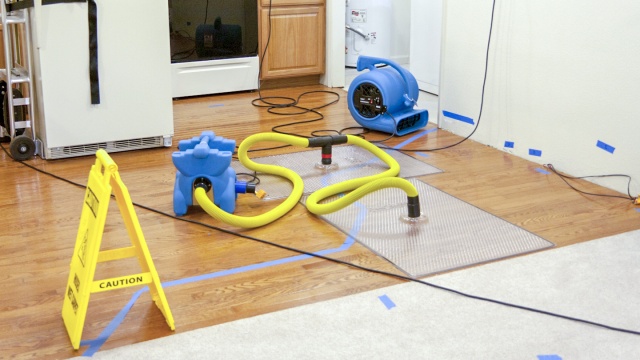
Step 3: Controlled Drying Setup
Drying equipment is strategically positioned, including:
- Industrial dehumidifiers
- High-velocity air movers
- Floor drying systems
- Injectidry systems (when needed)
In some cases, baseboards are removed to allow airflow beneath flooring.
The goal is to reduce moisture content gradually without causing additional stress to the hardwood.
Step 4: Humidity Control
Indoor humidity must be maintained between 45% and 55%.
If humidity remains high, wood may reabsorb moisture even during drying.
Florida’s climate requires continuous monitoring during this stage.
Step 5: Moisture Verification
Drying continues until moisture readings confirm that hardwood and subfloor levels are within safe ranges.
Stopping too early risks recurring warping and mold development.
When Flooring Removal Becomes Necessary
Not all hardwood can be saved.
If boards have:
- Severe buckling
- Mold contamination
- Long-term saturation
- Structural delamination
Removal may be required.
However, early structural dryouts often prevent complete floor replacement.
Common Mistakes Homeowners Make
In Cocoa, homeowners sometimes attempt quick fixes.
Common mistakes include:
- Running household fans without dehumidifiers
- Lowering the thermostat instead of reducing humidity
- Ignoring minor cupping
- Replacing boards without drying subflooring
- Waiting several weeks before evaluation
These delays allow moisture to spread deeper into structural layers.
Cost Factors in Structural Dryouts
Costs vary based on:
- Size of affected area
- Severity of moisture intrusion
- Length of time moisture has been present
- Equipment runtime
- Need for partial flooring removal
Early intervention often reduces drying time and limits structural damage.
Waiting increases the scope and cost.
Preventing Future Moisture Problems Under Hardwood
Property owners in Cocoa should:
- Maintain indoor humidity below 55%
- Inspect plumbing regularly
- Service HVAC systems annually
- Monitor slab moisture levels
- Address minor spills immediately
- Schedule post-storm inspections
- Ensure proper exterior drainage
Because hardwood is sensitive to environmental changes, proactive maintenance is key.
Why Local Experience Matters
Cocoa’s combination of coastal exposure, high water tables, and slab foundations creates unique moisture behavior.
Professionals familiar with the area understand:
- How slab moisture migrates upward
- How humidity affects hardwood expansion
- How storm season influences drying timelines
- How salt air impacts building materials
That local knowledge ensures drying strategies are tailored to Florida conditions — not generic methods used in drier climates.
A Practical Approach to Protecting Hardwood Floors
Hardwood flooring in Cocoa homes requires careful moisture management.
If you notice cupping, buckling, or musty odors, it’s important to evaluate moisture beneath the surface quickly.
The process should follow a logical order:
Identify the moisture source.
Measure structural moisture levels.
Correct the intrusion point.
Dry subfloor and slab thoroughly.
Verify stability before repairs.
Structural dryouts are not overreactions — they are protective measures designed to prevent deeper damage in Florida’s challenging climate.
Handled early and properly, they protect not just the hardwood flooring, but the structural integrity of the entire home.
