
How Structural Dryouts Protect Properties in Palm Bay in Rental Properties
Rental properties in Palm Bay operate under constant environmental pressure. Between Florida’s high humidity, frequent rainstorms, plumbing wear from tenant turnover, and heavy AC use, moisture issues are almost inevitable at some point.
When water intrusion occurs — whether from a small leak, storm-related roof damage, or AC condensation — structural dryouts become one of the most important steps in protecting the property long-term.
In rental settings especially, quick surface cleanup isn’t enough. Hidden moisture inside walls, subfloors, and framing can lead to mold growth, structural weakening, and recurring tenant complaints if not properly addressed.
Let’s take a closer look at how structural dryouts work and why they’re critical for rental properties in Palm Bay.
What a Structural Dryout Really Means
A structural dryout is a controlled drying process designed to remove moisture from building materials — not just from visible surfaces.
It focuses on drying:
- Drywall
- Wood framing
- Subfloors
- Insulation cavities
- Ceiling materials
- Baseboards and trim
In Palm Bay’s humid climate, natural evaporation rarely works. Outdoor humidity often exceeds 70%, and during storm season it can reach 80% or higher. That means wet materials will not dry properly without mechanical assistance.
Structural drying stabilizes the building before mold growth and material breakdown begin.
Why Rental Properties in Palm Bay Are Especially Vulnerable
Rental homes face unique moisture risks compared to owner-occupied properties.
Frequent Tenant Turnover
Each move-in and move-out increases the likelihood of minor leaks, appliance disconnections, and unnoticed plumbing issues.
Delayed Reporting
Tenants may not recognize early warning signs of moisture, such as subtle ceiling staining or musty odors. By the time management is notified, water may have been present for days.
Heavy AC Usage
Palm Bay rentals often rely heavily on air conditioning. Clogged condensate lines and overworked units are common causes of hidden moisture.
Storm Exposure
Palm Bay sees strong summer storms and heavy rainfall. Even minor roof or window seal failures can introduce water into wall cavities.
Because of these factors, rental properties often require faster response times and more structured drying processes.
What Happens If Structural Drying Is Skipped
Surface cleanup may remove visible water, but hidden moisture remains trapped inside porous materials.
If structural dryouts are not performed properly, several issues may follow:
- Mold growth inside wall cavities
- Persistent musty odors
- Warping of subfloors
- Ceiling sagging
- Insulation deterioration
- Recurring tenant complaints
- Decreased property value
In Florida’s warm climate, mold can begin forming within 24 to 48 hours of sustained moisture exposure.
Ignoring structural drying increases the likelihood of more extensive remediation later.
Common Sources of Water in Palm Bay Rentals
Structural dryouts are often necessary after:
- Roof leaks during storms
- Plumbing failures under sinks
- Water heater malfunctions
- AC condensate overflows
- Washing machine hose leaks
- Slab foundation moisture intrusion
Even minor water events require evaluation because Palm Bay’s humidity slows natural drying.
The Structural Dryout Process Explained
Proper structural drying follows a structured sequence.
1. Moisture Assessment
Technicians measure:
- Indoor humidity levels
- Moisture content in drywall and wood
- Subfloor readings
- Attic and crawl space conditions
Thermal imaging may identify hidden damp areas behind walls.
This step determines the scope of drying required.
2. Stopping the Moisture Source
Before drying begins, the source must be corrected.
This may include:
- Plumbing repairs
- Roof patching
- AC drain clearing
- Window resealing
Drying without source correction leads to recurring problems.
3. Strategic Equipment Placement
Structural drying typically involves:
- High-capacity dehumidifiers
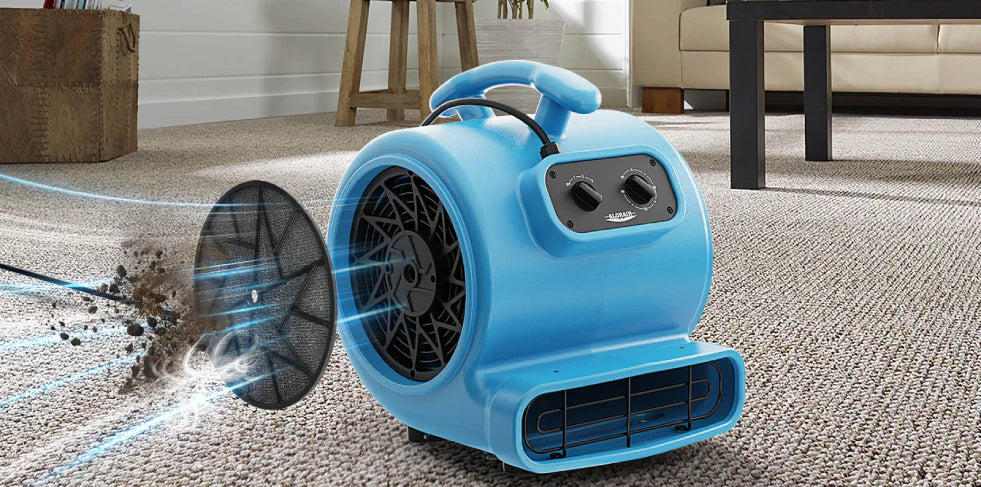
- Industrial air movers (air blowers)
- Controlled airflow positioning
Air movers increase evaporation from wet materials. Dehumidifiers remove moisture from the air.
Equipment placement is critical. Air must move across damp surfaces rather than simply circulating in open space.
4. Monitoring and Adjustment
Moisture readings are taken regularly to track progress.
Indoor humidity should stabilize between 40% and 55%.
Removing equipment too early can leave hidden moisture behind.
5. Final Verification
Once materials return to normal moisture levels, drying is confirmed complete.
This step ensures structural stability before tenants return or repairs are finalized.
Companies like Inspections and More FL follow this structured approach because Palm Bay’s climate demands precision.
Hidden Areas Often Missed in Rental Properties
Rental units frequently hide moisture in overlooked areas.
Behind Baseboards
Water travels downward and collects at wall-floor intersections.
Beneath Laminate Flooring
Moisture seeps into subfloors without obvious surface damage.
Inside Attic Insulation
Roof leaks may saturate insulation long before ceiling staining appears.
Inside HVAC Closets
Condensation issues can soak framing around air handler units.
Structural dryouts must address these hidden zones to prevent recurring issues.
Why Speed Matters in Rentals
In rental properties, downtime affects income.
However, rushing the drying process creates larger costs later.
Proper structural dryouts:
- Reduce mold risk
- Protect flooring investments
- Prevent tenant health complaints
- Minimize long-term repair expenses
- Support smoother tenant turnover
A controlled drying process may take several days, but it prevents months of recurring issues.
Palm Bay’s Climate and Drying Challenges
Palm Bay experiences:
- Long humid summers
- Frequent thunderstorms
- Elevated groundwater levels
- Warm year-round temperatures
These conditions slow evaporation and increase mold growth potential.
Drying strategies must account for the fact that outside air often contains more moisture than inside air.
That’s why mechanical dehumidification is essential.
Preventing Future Moisture Events in Rentals
Property owners and managers in Palm Bay can reduce risk by:
- Scheduling annual HVAC inspections
- Cleaning condensate drain lines regularly
- Inspecting roofs before storm season
- Monitoring indoor humidity between tenants
- Installing overflow protection switches on AC systems
- Conducting moisture evaluations after heavy rain
Proactive maintenance reduces the need for emergency dryouts.
Why Local Experience Makes a Difference
Structural drying in Florida differs from drying in dry climates.
Palm Bay properties face:
- High baseline humidity
- Rapid mold development
- Slab foundation moisture interaction
- Coastal air corrosion
- Frequent storm exposure
Professionals familiar with local construction styles and environmental patterns understand where moisture tends to hide and how long drying should continue.
That experience leads to more accurate stabilization and fewer recurring problems.
A Practical Next Step for Palm Bay Property Owners
If your rental property in Palm Bay has experienced any water intrusion — even minor — a professional moisture evaluation can determine whether structural dryouts are necessary.
Acting early protects framing, flooring, and insulation while reducing mold risk and preserving long-term property value.
In Florida’s humid climate, structural dryouts aren’t just about drying surfaces. They’re about protecting the structure itself — especially in rental properties where moisture problems can quickly escalate if left unchecked.
