
How Thermal Imaging Inspections Protect Properties in Sanford Slab Foundation Houses
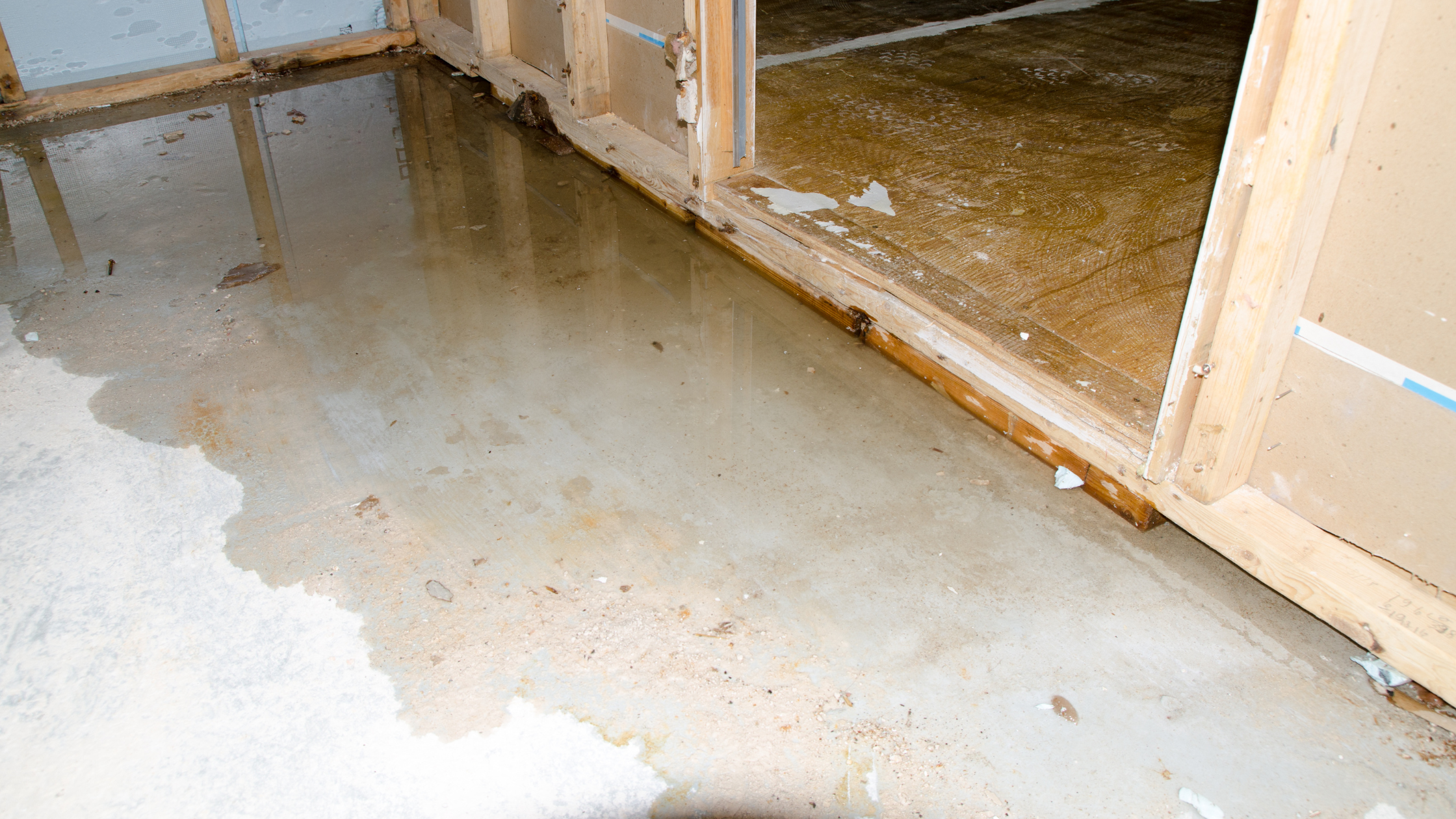
In Sanford, slab foundation homes are the standard. Unlike homes with crawl spaces or basements, slab properties are built directly on concrete poured at ground level. This construction style works well in Florida’s soil conditions and high water table areas — but it also creates unique moisture detection challenges.
When leaks occur beneath the slab, inside walls, or under flooring, the damage often stays hidden until visible symptoms appear. By that time, repairs can become more extensive and costly.
This is where thermal imaging inspections provide significant protection. When used correctly, infrared technology helps identify hidden moisture early, reducing the risk of mold growth, structural deterioration, and long-term repair expenses.
Let’s explore how thermal imaging inspections work and why they are especially valuable in slab foundation homes throughout Sanford.
Why Slab Foundation Homes Face Unique Moisture Risks
Slab construction eliminates crawl spaces. While this reduces some maintenance issues, it also removes easy access to plumbing and structural components.
In Sanford’s climate, slab homes face several moisture pressures:
- High water tables after heavy rain
- Hydrostatic pressure pushing moisture upward
- Plumbing lines embedded beneath concrete
- Wind-driven storm intrusion
- AC condensation buildup
- Persistent humidity
When moisture enters beneath the slab or into wall cavities, it often remains concealed. Unlike crawl spaces where dampness may be visible, slab homes require non-invasive tools to detect hidden problems.
What Thermal Imaging Actually Does
Thermal imaging cameras detect surface temperature differences. They do not see through walls, and they do not directly detect water. Instead, they reveal temperature variations caused by moisture or insulation irregularities.
When water saturates drywall, wood framing, or concrete, it changes the way those materials retain and release heat. These temperature differences appear on infrared images as color variations.
In slab homes, thermal imaging helps identify:
- Moisture beneath flooring
- Plumbing leaks under concrete
- Damp wall cavities
- Ceiling leaks from roof damage
- Condensation patterns
- HVAC-related moisture zones
This allows inspectors to locate problem areas without cutting into walls or floors unnecessarily.
Early Detection Prevents Structural Damage
One of the greatest benefits of thermal imaging is early detection.
In Sanford, moisture can remain hidden for weeks before visible signs appear. During that time, water may:
- Soak into subflooring
- Weaken framing
- Trigger mold growth
- Damage adhesives
- Warp hardwood flooring
By identifying temperature anomalies early, property owners can address moisture before structural components deteriorate.
Early detection often reduces repair scope and cost.
Protecting Against Slab Moisture Migration
Slab foundation homes in Sanford are particularly vulnerable to hydrostatic pressure after heavy rainfall.
When soil becomes saturated, moisture can migrate upward through concrete. This may impact:
- Tile flooring
- Engineered wood
- Baseboards
- Lower drywall sections
Thermal imaging can reveal cooler areas along slab edges or beneath flooring where moisture may be present.
While additional moisture meter testing confirms the issue, infrared imaging helps narrow the search area efficiently.
Identifying Hidden Plumbing Leaks
Many slab homes have plumbing lines embedded beneath the concrete.
A small pinhole leak beneath the slab may not cause immediate surface flooding. Instead, it gradually saturates surrounding soil and concrete.
Thermal imaging can help identify subtle temperature differences along suspected plumbing paths.
This allows targeted investigation rather than large-scale demolition.
In Florida’s humid environment, detecting these leaks early prevents mold development and foundation concerns.
Preventing Mold Growth
Mold requires moisture and organic material to grow. In slab homes, hidden moisture often accumulates inside wall cavities or beneath flooring.
By identifying damp zones before visible mold appears, thermal imaging supports preventive action.
Correcting moisture early may eliminate the need for extensive mold remediation later.
Maintaining indoor humidity between 45% and 55% also reduces mold risk.
Protecting Indoor Air Quality
Moisture behind walls often leads to elevated spore levels in indoor air.
If mold develops within wall cavities, HVAC systems may circulate contaminants throughout the home.
Thermal imaging helps identify moisture sources that contribute to air quality issues, allowing corrective measures before contamination spreads.
Companies like Inspections and More FL emphasize combining infrared technology with moisture meters and humidity readings for accurate assessment in Sanford’s slab homes.
Supporting Post-Storm Inspections
Sanford experiences heavy rain and tropical systems throughout hurricane season.
After storms, even homes without visible leaks may have minor intrusion through:
- Flashing
- Roof penetrations
- Window seals
Thermal imaging provides a non-invasive way to inspect ceilings and walls for hidden moisture following severe weather.
This proactive step protects the home from long-term damage.
Avoiding Unnecessary Demolition
Without infrared guidance, locating hidden moisture often requires exploratory cutting into walls or removing flooring.
Thermal imaging narrows down suspect areas, reducing unnecessary damage.
Targeted investigation saves time and repair costs.
Common Misconceptions About Thermal Imaging
Some homeowners believe thermal cameras:
- Instantly detect all leaks
- Replace moisture meters
- See through walls
- Guarantee precise leak locations
In reality, infrared imaging highlights temperature anomalies that require confirmation.
Professional interpretation is essential — especially in Sanford’s humid climate, where condensation patterns may mimic leak signatures.
When Thermal Imaging Is Most Valuable
Thermal imaging inspections are particularly useful:
- After plumbing leaks
- Following hurricane or storm exposure
- When musty odors appear without visible damage
- During real estate transactions
- When hardwood flooring shows warping
- In homes with persistent humidity issues
Early evaluation reduces the likelihood of long-term structural repairs.
Cost Factors to Consider
Thermal imaging inspection costs vary depending on:
- Home size
- Accessibility of attic or wall cavities
- Scope of investigation
- Reporting requirements
- Follow-up testing
While costs vary, early moisture detection often prevents more expensive remediation later.
Why Local Sanford Experience Matters
Sanford slab homes present specific moisture challenges:
- Elevated water tables
- Frequent rain events
- Coastal humidity
- Slab construction
- HVAC reliance
Professionals familiar with local building styles understand how moisture behaves in this environment.
They know where to look — even when signs are subtle.
Long-Term Protection Strategies
Thermal imaging works best when paired with preventive measures.
Homeowners should:
- Monitor indoor humidity
- Maintain HVAC systems
- Inspect roofing annually
- Seal windows and doors
- Address minor leaks immediately
- Schedule post-storm inspections
Proactive evaluation protects structural integrity.
A Practical Approach to Property Protection
Thermal imaging inspections are not about reacting to visible damage. They are about preventing hidden problems from escalating.
In Sanford slab foundation homes, where moisture often hides beneath concrete and inside walls, infrared technology provides valuable insight.
The protective process follows a clear sequence:
Identify anomalies.
Verify moisture presence.
Correct the source.
Dry affected areas.
Monitor humidity long-term.
When used strategically, thermal imaging inspections help preserve structural stability, prevent mold growth, protect indoor air quality, and reduce long-term repair costs.
In Florida’s climate, what you can’t see often matters most — and thermal imaging helps bring those hidden risks to light before they become serious problems.
