
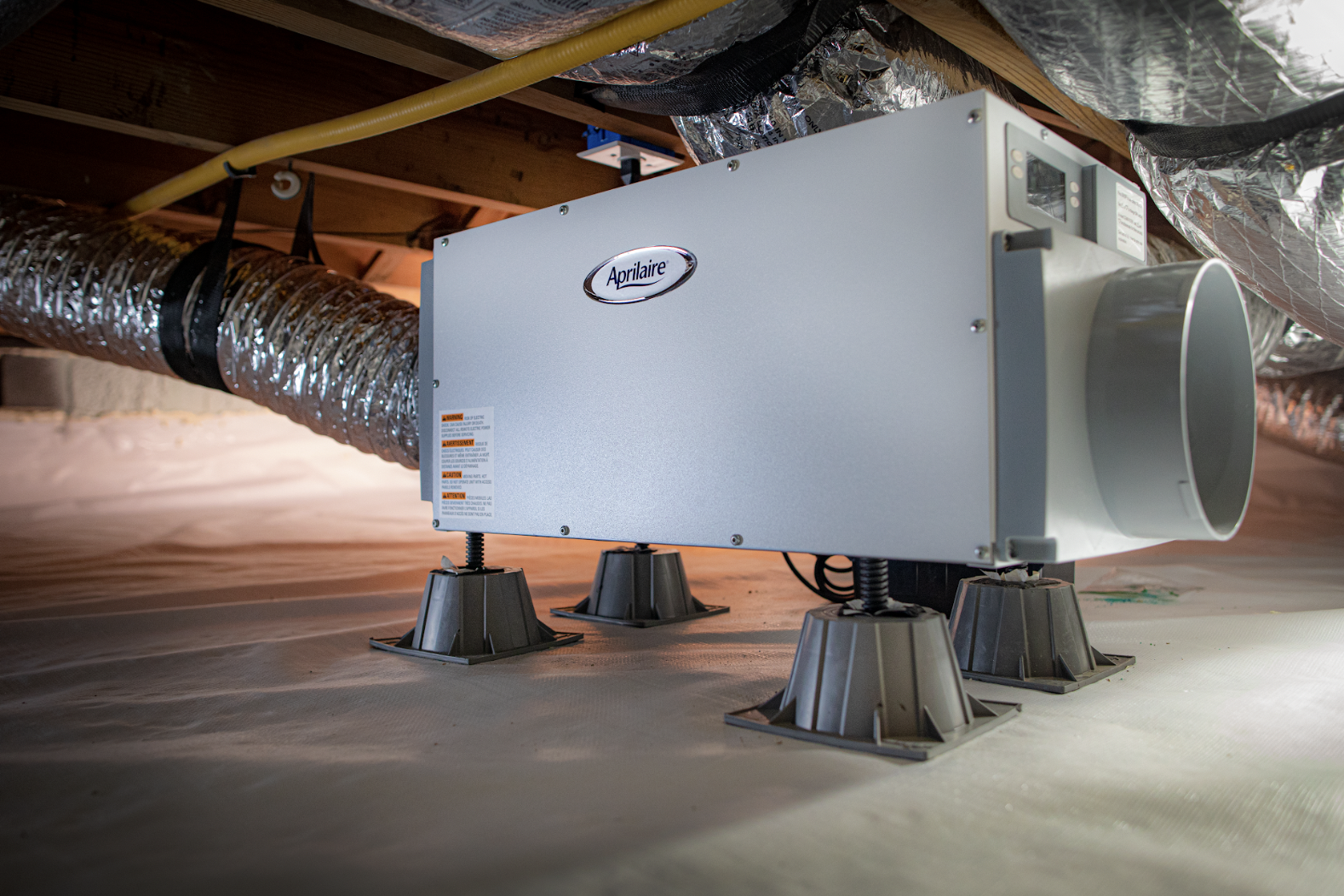
Melbourne Homes Dealing With Dehumidification When Indoor Air Feels Damp — The Science Behind the Solution
If you live in Melbourne, you’ve probably experienced it. The air conditioner is running. The thermostat says 74 degrees. But the house still feels damp.
Clothes feel slightly clammy. Floors feel cool but sticky. There’s a faint musty odor in certain rooms. You may even notice condensation along windows or supply vents.
This is one of the most common comfort complaints in coastal Florida homes — and it’s rarely just about temperature. It’s about humidity.
Understanding why indoor air feels damp, even when it’s cool, requires a look at the science of moisture, air movement, and Florida’s climate. More importantly, it requires understanding how proper dehumidification solves the problem long-term.
Why “Cool” Doesn’t Always Mean “Dry”
Air conditioning systems are designed to lower temperature. As a byproduct of cooling, they remove some moisture from the air. But in Melbourne’s coastal environment, that often isn’t enough.
When outdoor humidity levels regularly exceed 70%, indoor air absorbs moisture quickly. Every time a door opens, humid air enters. Even well-sealed homes experience air exchange.
If the AC system cools the house quickly and cycles off before running long enough to remove sufficient moisture, indoor humidity stays high.
That’s when air feels damp.
The Science of Humidity in Melbourne Homes
Humidity refers to the amount of water vapor present in the air. Relative humidity (RH) measures how saturated the air is compared to the maximum amount it can hold at a given temperature.
Here’s where it gets interesting:
- Warm air holds more moisture.
- Cooler air holds less moisture.
- When humid air cools, moisture condenses.
In Florida, warm humid outdoor air enters homes. If the AC cools it quickly but doesn’t remove enough moisture, relative humidity indoors can remain above 60%.
Ideal indoor humidity levels are between 45% and 55%.
Above 60%, homes begin to feel damp — even if temperatures are comfortable.
Why Melbourne Homes Are Especially Susceptible
Coastal Humidity
Melbourne’s proximity to the Atlantic Ocean means persistent moisture in the air. Even on sunny days, humidity remains elevated.
Oversized HVAC Systems
Many homes are equipped with larger AC systems to cool quickly during hot summers. The problem? These systems may short-cycle — turning off before adequate moisture removal occurs.
Slab Foundations
Moisture can migrate upward through concrete slabs during rainy seasons, adding to indoor humidity levels.
Poor Ventilation Balance
Bathrooms, kitchens, and laundry rooms generate indoor moisture. Without proper exhaust ventilation, that humidity accumulates.
Attic Heat Transfer
Hot attic spaces increase temperature differentials, encouraging condensation inside ductwork and walls.
All of these factors combine to create persistent dampness.
Signs Your Home Needs Better Dehumidification
When indoor humidity remains high, homeowners often notice:
- Sticky or clammy air
- Musty smells
- Condensation on windows
- Sweating AC vents
- Warping wood trim
- Cupping hardwood floors
- Increased allergy symptoms
- Higher cooling bills
Damp air also makes temperatures feel warmer than they actually are. That often leads homeowners to lower the thermostat — which increases energy use without solving humidity.
Why Lowering the Thermostat Isn’t the Solution
When you lower the thermostat:
- The AC cools faster.
- The system cycles off sooner.
- Less moisture is removed.
This can actually worsen humidity imbalance.
True dehumidification requires removing water vapor from the air — not just cooling it.
How Professional Dehumidification Works
Dehumidification systems are specifically designed to remove moisture from the air independently of cooling.
There are two main approaches in Melbourne homes.
Whole-Home Dehumidifiers
These systems integrate with existing HVAC units and run independently of cooling cycles.
They:
- Pull humid air in
- Remove moisture
- Drain collected water
- Distribute dry air evenly
This allows humidity to be controlled even when the AC is not actively cooling.
Standalone Dehumidifiers
In certain areas such as crawl spaces or garages, standalone systems may be used.
However, whole-home systems are often more effective for consistent humidity control.
The Role of Proper Airflow
Dehumidification is not just about equipment — it’s about airflow balance.
If return vents are blocked or ductwork leaks, humid air may remain trapped in certain zones.
A professional evaluation often includes:
- Measuring humidity levels throughout the home
- Inspecting duct integrity
- Evaluating AC runtime patterns
- Checking attic insulation
- Reviewing ventilation systems
Companies like Inspections and More FL often assess both moisture levels and HVAC performance when homes feel persistently damp.
How Dehumidification Protects Your Home Long-Term
Proper humidity control provides more than comfort.
Mold Prevention
Mold thrives when humidity exceeds 60%. Keeping indoor RH below 55% significantly reduces mold risk.
Structural Protection
Wood framing, flooring, and trim remain more stable when humidity is controlled.
Energy Efficiency
Dry air feels cooler. You can maintain comfort at slightly higher thermostat settings.
Indoor Air Quality
Lower humidity reduces dust mites and airborne contaminants.
Odor Reduction
Musty smells diminish when moisture levels stabilize.
Cost Factors to Consider
Costs for dehumidification improvements vary depending on:
- Size of the home
- Existing HVAC system
- Ductwork condition
- Installation complexity
- Whether attic or crawl space modifications are needed
While upfront costs exist, long-term savings from reduced repairs and energy use often offset the investment.
Common Mistakes Melbourne Homeowners Make
Homeowners frequently:
- Lower the thermostat repeatedly
- Rely on small portable units
- Ignore attic ventilation issues
- Overlook slab moisture
- Skip humidity monitoring
Installing a simple digital hygrometer can provide immediate insight into indoor humidity levels.
If readings consistently exceed 60%, professional evaluation is recommended.
Why Local Experience Matters
Melbourne’s coastal environment creates humidity patterns different from inland Florida.
Professionals familiar with the area understand:
- How sea breezes impact air infiltration
- How slab foundations retain moisture
- How storm season shifts indoor humidity
- How attic heat influences duct condensation
That local expertise ensures solutions are tailored to regional conditions — not generic HVAC adjustments.
A Practical, Science-Based Approach
If your Melbourne home feels damp despite running air conditioning, the issue is likely humidity — not temperature.
The correct approach follows a logical order:
Measure indoor humidity.
Evaluate HVAC performance.
Identify moisture sources.
Install appropriate dehumidification.
Monitor and adjust.
Understanding the science behind damp indoor air allows homeowners to solve the problem properly — not just temporarily mask it.
With balanced humidity control, Melbourne homes remain more comfortable, more energy-efficient, and better protected against mold and structural damage in Florida’s demanding coastal climate.
