
In Coastal Properties in Cocoa: A Closer Look at Mold Remediation
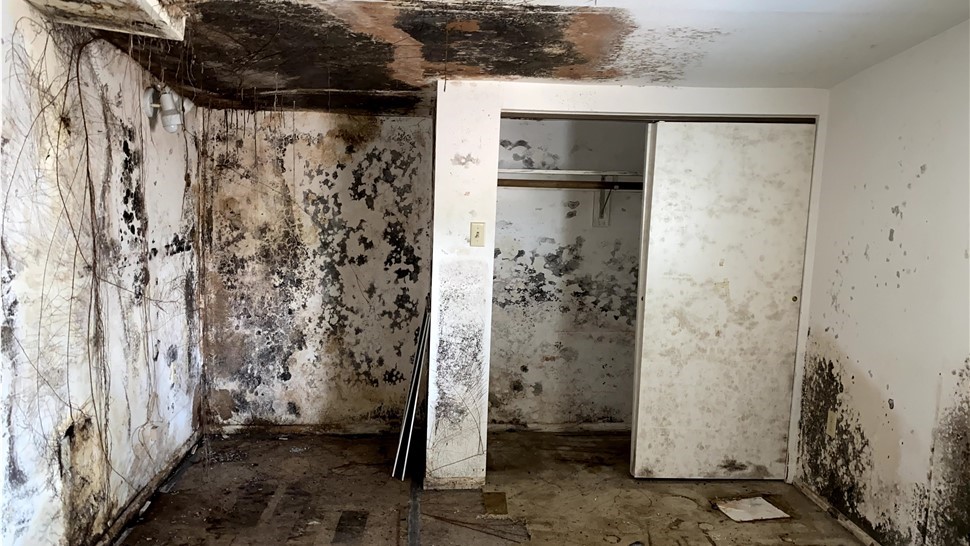
Living in Cocoa offers waterfront views, ocean breezes, and year-round warmth. But coastal living also brings one constant challenge: moisture. Between high humidity, salt air exposure, heavy rainstorms, and hurricane season, homes in this part of Brevard County experience steady environmental pressure.
When moisture lingers inside walls, attics, or beneath flooring, mold remediation often becomes necessary.
Coastal properties in Cocoa face different mold patterns than inland homes in places like Sanford. The moisture exposure is more consistent, the air is heavier, and drying takes longer. Understanding how mold remediation works in this environment helps homeowners make informed decisions when issues arise.
Let’s take a closer look at what makes coastal mold remediation unique — and how it’s handled properly.
Why Coastal Homes in Cocoa Are More Vulnerable
Homes near the Indian River Lagoon or closer to the Atlantic experience:
- Persistent high humidity
- Salt-laden air
- Frequent wind-driven rain
- Higher water tables
- Increased storm exposure
Even on dry days, indoor humidity can rise above ideal levels if ventilation and HVAC systems are not balanced correctly.
Salt air also accelerates wear on roofing materials, window seals, and exterior finishes — increasing the likelihood of small moisture entry points.
In coastal Cocoa properties, mold often develops not from one large event, but from cumulative moisture exposure over time.
Common Moisture Sources in Coastal Properties
Mold remediation in Cocoa frequently follows issues such as:
Wind-Driven Rain
Storm winds can push rain under shingles or around window frames.
Roof Flashing Wear
Salt exposure can degrade metal flashing components faster than expected.
AC Condensation Problems
Heavy AC use combined with humidity increases condensation output.
Sliding Glass Door Intrusion
Common in waterfront homes, these entry points are vulnerable during storms.
Slab Vapor Transmission
Moisture from saturated soil can migrate upward through concrete slabs.
Each of these sources contributes to hidden dampness inside the structure.
Where Mold Typically Develops in Cocoa Coastal Homes
During inspections, mold is commonly found:
- On attic roof decking
- Behind exterior-facing walls
- Along baseboards
- Under laminate or hardwood flooring
- Around HVAC closets
- In insulation near sliding doors
Because coastal humidity slows evaporation, moisture often remains in structural materials longer than expected.
Why Mold Remediation Is More Complex Near the Coast
Remediation in coastal Cocoa properties presents specific challenges.
1. Ongoing Humidity Pressure
Even after a leak is repaired, indoor humidity must be controlled carefully to prevent recurrence.
2. Slower Drying Times
Moist air reduces evaporation rates.
3. Multiple Entry Points
Storm-driven rain can infiltrate in several small areas at once.
4. Salt Corrosion
Corroded metal components may require inspection alongside remediation.
These factors require a structured, moisture-focused approach.
The Science Behind Proper Mold Remediation
Effective remediation always begins with moisture control.
Step 1: Identify the Source
Roof penetrations, window seals, drainage systems, and HVAC components are evaluated.
Step 2: Moisture Mapping
Moisture meters and thermal imaging detect hidden damp areas.
Step 3: Containment
Affected areas are isolated to prevent contamination spread.
Step 4: Removal of Contaminated Materials
Saturated drywall or insulation may need removal.
Step 5: Structural Drying
Commercial air movers and dehumidifiers restore safe moisture levels.
Step 6: Air Scrubbing
HEPA filtration improves indoor air quality during remediation.
Step 7: Verification
Moisture readings confirm materials are stabilized before rebuilding.
At Inspections and More FL, coastal remediation projects in Cocoa prioritize long-term moisture control over cosmetic fixes.
Why DIY Attempts Often Fail in Coastal Homes
Homeowners sometimes attempt to:
- Spray household cleaners on visible mold
- Repaint stained walls
- Install small dehumidifiers
- Replace a small drywall section
However:
- Mold penetrates porous materials
- Hidden moisture remains inside walls
- Coastal humidity continues to influence the environment
- Slab vapor may still be active
Without correcting both moisture and contamination, problems often return.
Coastal conditions amplify incomplete solutions.
The Role of Dehumidification in Coastal Remediation
Dehumidification plays a central role in Cocoa properties.
Industrial systems are used to:
- Reduce ambient humidity
- Support structural drying
- Prevent re-absorption of moisture
- Stabilize the indoor environment
Because coastal humidity rarely drops naturally, controlled dehumidification ensures drying is effective.
Stopping too early is a common cause of recurrence.
Long-Term Risks of Ignoring Coastal Mold
When mold issues are not addressed thoroughly, homeowners may experience:
- Recurring stains
- Persistent musty odors
- Warped flooring
- Insulation deterioration
- Structural material degradation
With storm season lasting months, unresolved moisture can compound over time.
Preventative remediation reduces the likelihood of repeated repairs.
Preventing Mold in Coastal Cocoa Homes
Homeowners can reduce risk by:
Inspecting Roofing Annually
Salt air accelerates material wear.
Monitoring Indoor Humidity
Maintain levels between 45–55%.
Checking Attics After Storms
Look for damp insulation or decking.
Maintaining Proper Drainage
Ensure water flows away from the foundation.
Servicing HVAC Systems
Clear condensate lines and inspect drain pans regularly.
Routine evaluations throughout Cocoa and nearby Merritt Island help identify vulnerabilities early.
Why Local Coastal Experience Matters
Mold remediation in coastal Cocoa requires understanding:
- Salt air corrosion patterns
- Wind-driven rain behavior
- Slab moisture migration
- Florida humidity cycles
- Coastal ventilation challenges
Homes here respond differently than inland properties.
Local knowledge ensures remediation strategies are tailored to Cocoa’s environmental realities.
A Calm, Practical Next Step
If your coastal Cocoa property has experienced persistent humidity, storm-related moisture, or visible mold growth, a professional evaluation is a practical step.
An assessment can determine:
- Whether hidden moisture remains
- If structural drying is required
- Which areas are affected
- How to prevent recurrence
Inspections and More FL works with homeowners throughout Cocoa, Palm Bay, Melbourne, Merritt Island, and Sanford to evaluate moisture and apply structured remediation strategies suited to Florida’s coastal climate.
Coastal living brings beauty and exposure. Proper mold remediation ensures your home remains protected against the moisture that comes with it.
