
In Coastal Properties in Merritt Island: A Closer Look at Mold Encapsulation
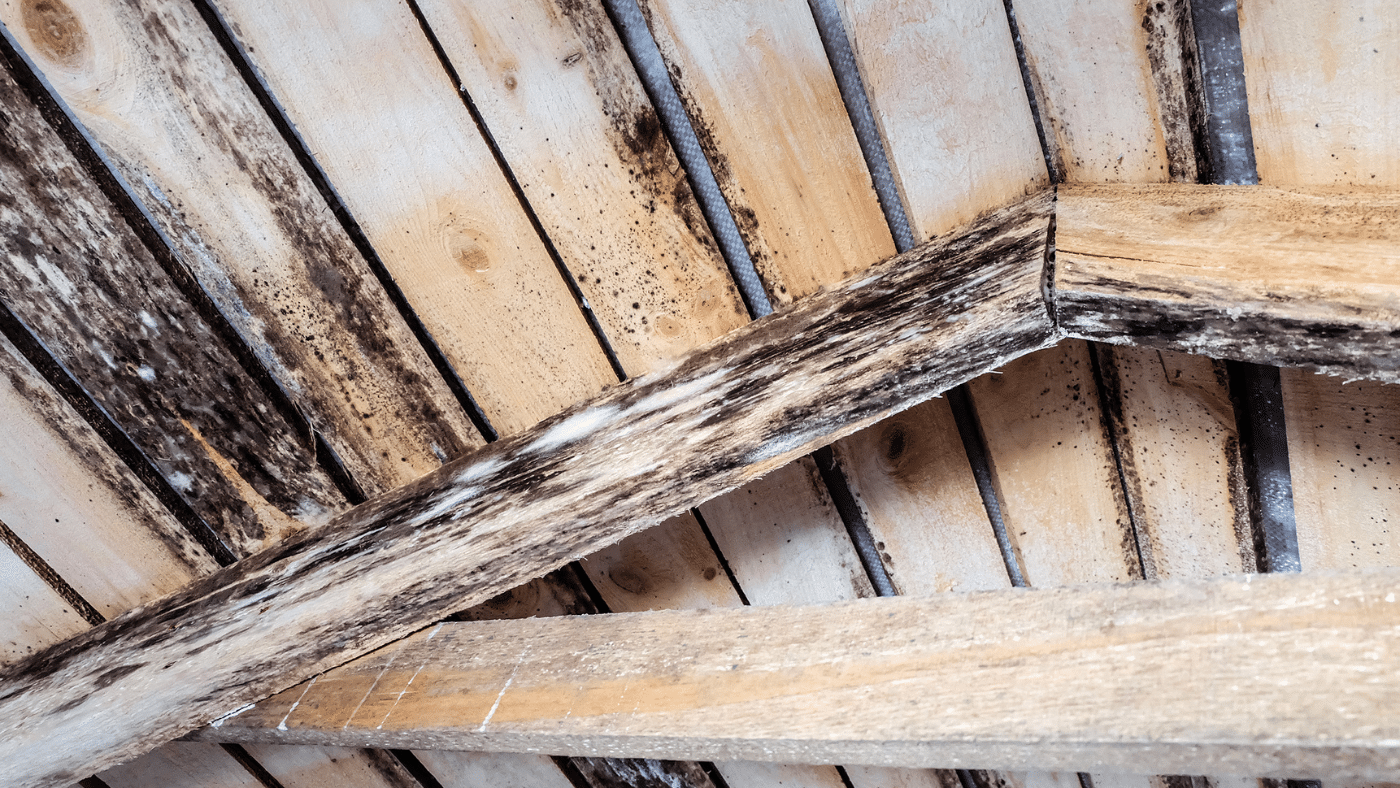
Living in Merritt Island means living with moisture. Surrounded by the Indian River and Banana River, coastal properties here experience constant humidity, salt air exposure, and frequent storms. Over time, that environment creates ideal conditions for mold growth — especially in crawl spaces, attics, and behind walls.
When mold develops in these areas, removal is only part of the solution. In many coastal properties, mold encapsulation becomes a necessary protective step after proper remediation. It’s not a shortcut. It’s not a cosmetic fix. It’s a long-term stabilization method designed specifically for structures exposed to ongoing humidity.
Understanding how mold encapsulation works — and why it’s often recommended in Merritt Island’s coastal homes — helps property owners make informed decisions.
What Mold Encapsulation Actually Is
Mold encapsulation is the application of a specialized protective coating to structural materials after mold remediation has been completed.
It is important to understand what encapsulation is not:
- It is not painting over active mold.
- It is not skipping mold removal.
- It is not hiding contamination.
Proper encapsulation happens only after:
- Mold growth is physically removed
- Surfaces are cleaned and treated
- Moisture sources are corrected
- Structural materials are dried
Once those steps are complete, a professional-grade encapsulating coating is applied to porous surfaces like wood framing or roof decking.
The coating seals the material, reduces future moisture absorption, and creates an added layer of protection in humid environments.
Why Coastal Merritt Island Homes Are Especially Vulnerable
Merritt Island’s coastal properties face unique environmental stress.
Constant Humidity
Even on dry days, outdoor humidity remains high. That moisture enters homes through ventilation systems, crawl space vents, and small building envelope gaps.
Salt Air Exposure
Salt in coastal air accelerates material breakdown. As materials degrade, they become more porous and more susceptible to mold.
Storm Activity
Wind-driven rain and heavy storms push moisture into roof systems, wall cavities, and attics.
Elevated Water Tables
Soil moisture remains high for much of the year, increasing vapor intrusion risk in slab foundations and crawl spaces.
Because these moisture pressures are ongoing, coastal homes require additional protective strategies beyond simple cleaning.
Common Areas Where Mold Encapsulation Is Used
In Merritt Island coastal properties, encapsulation is most commonly applied in:
Crawl Spaces
Wood joists and subfloor materials absorb moisture easily. Even after mold removal, the environment remains humid.
Encapsulation helps protect framing from repeated moisture cycles.
Attics
Roof leaks and high attic temperatures create mold-prone conditions. Encapsulating roof decking adds an additional moisture barrier.
Structural Framing
Wall cavities affected by previous leaks may benefit from encapsulation after remediation.
Encapsulation stabilizes surfaces that may otherwise reabsorb moisture.
When Mold Encapsulation Becomes Necessary
Not every mold issue requires encapsulation. However, it often becomes necessary when:
- Mold growth has affected structural wood
- Moisture exposure has been prolonged
- The home is located in a high-humidity coastal zone
- Materials cannot be fully replaced
- There is a history of repeated moisture events
In Merritt Island’s coastal climate, even properly remediated surfaces remain vulnerable due to persistent humidity.
Encapsulation reduces that vulnerability.
Why Removal Alone May Not Be Enough
After mold is removed, porous materials like wood can still:
- Retain microscopic spores
- Absorb moisture from humid air
- Stain from previous growth
- Remain susceptible to reactivation
Coastal humidity increases the likelihood that untreated surfaces may experience regrowth.
Encapsulation provides a sealing barrier that helps prevent spores from reestablishing themselves when humidity rises.
The Encapsulation Process in Coastal Homes
A proper encapsulation process includes:
1. Inspection and Moisture Detection
Identifying the full extent of mold and moisture impact.
2. Source Correction
Fixing leaks, improving drainage, or enhancing ventilation.
3. Mold Remediation
Physical removal of mold growth using professional methods.
4. Structural Drying
Using dehumidifiers and air movers to bring materials to safe moisture levels.
5. Encapsulating Application
Applying a specialized coating evenly to affected structural surfaces.
In coastal Merritt Island properties, ensuring materials are fully dry before encapsulation is critical.
Humidity must be controlled during application to ensure long-term effectiveness.
Crawl Space Encapsulation vs. Mold Encapsulation
It’s important not to confuse two similar-sounding terms.
Crawl space encapsulation refers to sealing the entire crawl space environment with vapor barriers and dehumidification systems.
Mold encapsulation refers specifically to sealing treated structural surfaces after mold removal.
In coastal homes, both strategies may be recommended depending on conditions.
Professionals evaluate which approach is appropriate based on moisture patterns and building design.
The Long-Term Benefits for Coastal Properties
Mold encapsulation offers several advantages for Merritt Island homes:
- Reduced future mold growth risk
- Improved structural stability
- Cleaner appearance of framing
- Lower moisture absorption rates
- Added protection in humid seasons
While it does not eliminate the need for humidity control, it adds a protective layer suited for coastal conditions.
Why DIY Solutions Are Risky
Some homeowners attempt to apply paint or sealants to stained wood without proper remediation.
This approach is ineffective because:
- Active mold may remain beneath the surface
- Moisture sources may still be present
- Improper coatings may trap moisture
Encapsulation should only follow professional remediation and drying.
Skipping steps often leads to recurring problems.
The Importance of Local Coastal Experience
Merritt Island’s coastal climate requires specialized understanding.
Professionals familiar with:
- Salt air exposure
- High water table influence
- Florida attic ventilation challenges
- Coastal building materials
are better equipped to determine when encapsulation is truly beneficial.
Inspections and More FL works with coastal properties throughout Merritt Island, applying encapsulation methods designed for Florida’s unique moisture conditions.
Local experience ensures the process supports long-term protection rather than short-term cosmetic improvement.
Preventing Future Mold Issues in Coastal Homes
Even after encapsulation, ongoing prevention remains important.
Homeowners should:
- Monitor indoor humidity
- Service HVAC systems regularly
- Improve crawl space ventilation
- Inspect roofs before storm season
- Address leaks immediately
- Schedule routine moisture evaluations
Encapsulation works best as part of a broader moisture management strategy.
A Practical Next Step
If your coastal Merritt Island property has experienced mold growth in crawl spaces, attics, or framing areas, and you’re concerned about recurring issues, a professional evaluation can determine whether mold encapsulation is appropriate.
In Florida’s coastal environment, moisture pressure is constant. Stabilizing structural materials after remediation helps protect your investment and reduce future risk.
Taking measured, informed action ensures your home remains secure, durable, and better prepared for Merritt Island’s ongoing humidity and storm exposure.
