
In Slab Foundation Houses in Sanford: A Closer Look at Anti-Microbial Fogging
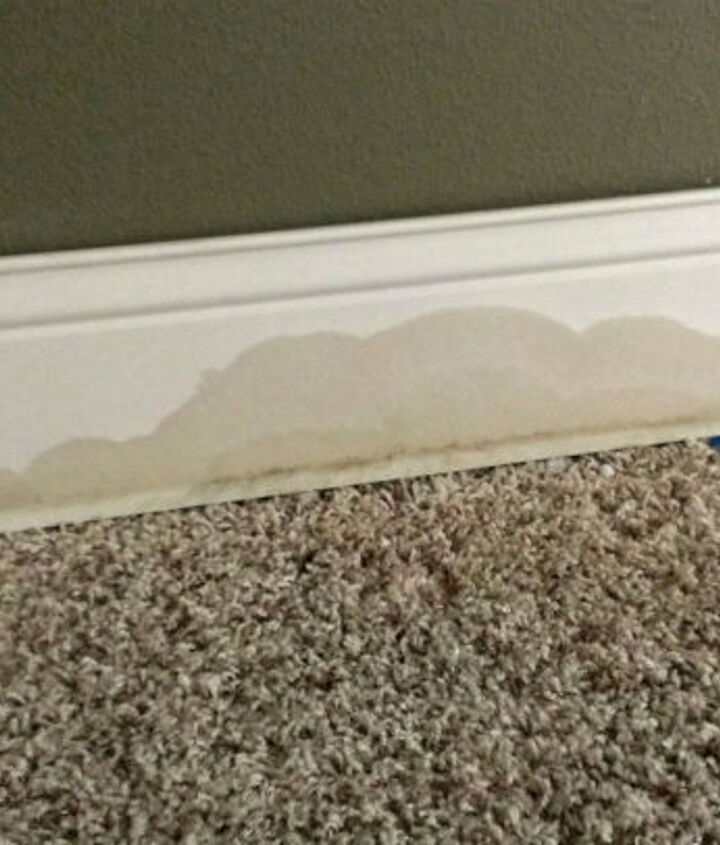
Slab foundation homes are a common sight throughout Sanford and nearby Central Florida communities. Built directly on concrete rather than raised over crawl spaces, these homes are durable, storm-resistant, and well-suited for Florida’s soil conditions. But slab construction also changes how moisture behaves inside a home. When water intrusion occurs — whether from plumbing leaks, heavy rain, or persistent humidity — the concrete slab can hold and transfer moisture in ways many homeowners do not expect.
After water damage or mold discovery in a slab foundation house, anti-microbial fogging is often discussed as part of the remediation process. Some homeowners assume it is a complete solution. Others think it can replace removing damaged materials. In reality, anti-microbial fogging plays a very specific and supportive role. When used properly — and only after moisture is controlled — it can help stabilize surfaces following mold remediation.
Understanding how anti-microbial fogging fits into the recovery process is especially important for slab foundation homes in Sanford’s humid climate.
Why Slab Foundation Homes in Sanford Are Prone to Moisture Issues
Sanford experiences high humidity levels for most of the year. Afternoon thunderstorms, heavy seasonal rain, and proximity to Lake Monroe and the St. Johns River all contribute to elevated moisture levels. Even without visible flooding, homes are constantly exposed to humid air.
Concrete slabs are porous. Moisture can move upward from the ground through capillary action. Additionally, minor plumbing leaks, AC condensation problems, or exterior drainage issues can allow water to spread across the slab before it becomes visible on interior walls.
In slab foundation houses, moisture commonly affects:
- Bottom edges of drywall
- Baseboards and trim
- Interior partition walls
- Flooring transitions
- Door frames and thresholds
Because there is no airflow beneath the home, drying can take longer than in elevated construction.
What Anti-Microbial Fogging Actually Does
Anti-microbial fogging involves using specialized equipment to disperse a fine mist of an approved antimicrobial solution throughout a contained area. The mist settles on exposed surfaces and helps reduce microbial presence on those surfaces.
In slab foundation houses, fogging is typically used:
- After visible mold has been removed
- Following cleaning of structural framing
- As a supplemental step during remediation
- To help stabilize indoor air conditions
Fogging does not remove mold embedded in drywall or insulation. It does not fix moisture sources. It is designed to support a complete remediation process, not replace it.
When Fogging Is Appropriate in Slab Foundation Homes
In Sanford slab houses, anti-microbial fogging may be considered when:
- Damaged drywall has been removed
- Exposed framing has been properly cleaned
- Moisture readings confirm materials are dry
- Indoor humidity levels are stabilized
- The original water source has been corrected
Because slab foundation homes often experience moisture near floor level, fogging may be applied to exposed bottom plates, studs, and concrete block surfaces after cleaning.
Using fogging before these conditions are met reduces its effectiveness.
What Many Homeowners Overlook
Moisture Control Comes First
If slab moisture migration continues due to plumbing leaks, poor exterior grading, or elevated indoor humidity, fogging alone will not prevent mold from returning.
Professionals use moisture meters and humidity measurements to confirm stabilization before applying antimicrobial treatments.
Porous Materials Still Require Removal
Drywall and insulation that are heavily contaminated must typically be removed. Fogging cannot penetrate deeply saturated materials.
In slab homes, the lower portion of drywall is often cut out when affected by moisture wicking from the slab.
Concrete Retains Moisture Longer Than Expected
Even after visible water disappears, the slab may remain damp internally. Without proper structural drying, residual moisture can continue feeding microbial growth.
Commercial dehumidification is often necessary to ensure complete drying.
The Proper Remediation Process in Slab Homes
In Sanford slab foundation houses, a structured remediation approach generally includes:
1. Moisture Detection
- Visual inspection
- Moisture meter mapping
- Thermal imaging
- Indoor humidity evaluation
This step identifies all affected areas and determines the full scope of moisture migration.
2. Removal of Contaminated Materials
Damaged drywall, insulation, or flooring materials are removed when necessary.
3. Cleaning of Structural Surfaces
Exposed wood framing and concrete surfaces are cleaned using appropriate remediation methods.
4. Structural Drying
Commercial air movers and dehumidifiers lower humidity and dry both slab and structural materials.
Drying continues until moisture readings reach acceptable baseline levels.
5. Anti-Microbial Fogging
Once materials are clean and dry, fogging is applied to exposed surfaces to reduce residual microbial presence.
6. Final Verification
Moisture readings confirm stability before rebuilding begins.
Following this sequence ensures fogging enhances remediation rather than masking unresolved moisture.
Benefits of Fogging in Sanford Slab Homes
When used correctly, anti-microbial fogging can:
- Reach irregular framing surfaces
- Treat exposed bottom plates
- Help reduce airborne microbial particles
- Support stabilization after cleaning
- Add a precautionary layer before reconstruction
In Florida’s humid climate, this added step can support long-term stability when combined with moisture control.
Preventing Recurring Issues in Slab Foundation Houses
Because slab foundations interact directly with ground moisture, prevention is essential.
Homeowners in Sanford should:
- Inspect exterior grading and drainage
- Ensure gutters direct water away from the slab
- Maintain plumbing systems
- Clean AC condensate lines regularly
- Monitor indoor humidity levels
- Improve ventilation in bathrooms and kitchens
- Schedule inspections after heavy storms
Addressing moisture early reduces the need for extensive remediation later.
Why Local Experience Matters in Sanford
Sanford’s environmental conditions affect slab foundation homes in unique ways:
- Elevated water tables can influence slab moisture
- Persistent humidity slows evaporation
- Storm patterns create hidden intrusion pathways
- AC systems operate heavily throughout the year
Professionals familiar with Sanford understand how moisture migrates through slab construction and how to interpret readings accurately.
Inspections and More FL approaches anti-microbial fogging as part of a complete moisture management strategy — ensuring drying, source correction, and careful application tailored to Sanford homes.
A Practical Next Step
If your Sanford slab foundation home has experienced water intrusion or mold growth, determining whether anti-microbial fogging is appropriate requires a thorough inspection.
Fogging can support remediation when used correctly and only after moisture is fully controlled. It is not a standalone fix.
In Florida’s humid climate, long-term protection begins with moisture management. Addressing slab moisture movement, stabilizing indoor humidity, and following a structured remediation process helps ensure your home remains dry, stable, and protected against recurring issues.
