
In Rental Properties in Palm Bay: A Closer Look at Mold Encapsulation
Rental properties in Palm Bay face a steady mix of humidity, storm exposure, and heavy HVAC usage. Unlike owner-occupied homes where issues are often addressed quickly, rental properties sometimes deal with delayed reporting, tenant turnover, and maintenance gaps between occupants. In Florida’s climate, even small moisture problems can develop into mold growth if not managed promptly.
When mold remediation becomes necessary in a rental unit, property owners and managers often hear the term mold encapsulation. It is frequently misunderstood. Some assume it means covering mold with paint. Others believe it is a shortcut that replaces proper remediation. In reality, mold encapsulation is a specific step used under the right conditions, and it plays a valuable role in stabilizing structural materials after mold has been properly addressed.
Understanding how encapsulation works — and when it is appropriate — is critical for rental properties in Palm Bay.
Why Rental Properties in Palm Bay Are Vulnerable to Mold
Palm Bay’s environment creates constant moisture pressure on buildings. Properties in this area experience:
- High year-round humidity
- Frequent thunderstorms
- Tropical storm exposure
- Warm temperatures that accelerate mold growth
- Prolonged AC operation
Rental properties introduce additional variables:
- Multiple occupants using plumbing and appliances
- Air conditioning systems running continuously
- Units sitting vacant without airflow
- Delayed tenant reporting of leaks
- Limited inspection between lease turnovers
When small moisture events occur — such as AC condensation, roof vulnerabilities, or plumbing leaks — they may go unnoticed. In Florida’s humid climate, damp materials rarely dry on their own.
What Mold Encapsulation Actually Is
Mold encapsulation is not mold removal. It is a protective coating applied to structural surfaces after mold contamination has been properly cleaned and dried.
Encapsulation is typically applied to:
- Exposed wooden framing
- Roof decking
- Subfloor materials
- Concrete block walls
- Sheathing surfaces
The coating seals microscopic particles that may remain after cleaning and provides a protective barrier against future growth — assuming moisture levels are controlled.
Encapsulation is never used to trap active mold or cover visible contamination on finished surfaces like drywall. It is a finishing step in a controlled remediation process.
When Encapsulation Is Appropriate in Rental Properties
Encapsulation is commonly recommended in Palm Bay rental properties when:
- Structural framing was exposed during drywall removal
- Attic wood surfaces were cleaned after roof-related moisture
- Minor residual staining remains on sound structural materials
- Long-term moisture corrections have been completed
Rental units benefit from encapsulation because it provides additional protection between tenant turnovers. It can help reduce the likelihood of recurring surface growth when humidity fluctuates.
Common Mold Scenarios in Palm Bay Rentals
AC Condensation Issues
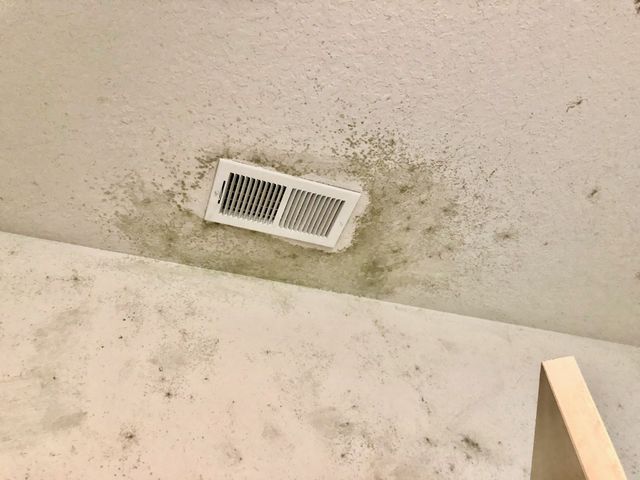
In Florida rentals, clogged condensate drain lines and rusted drain pans are frequent moisture sources.
When framing near HVAC systems becomes damp and contaminated, remediation may involve:
- Removing affected drywall
- Cleaning framing
- Drying materials
- Applying encapsulation coating to exposed wood
This helps stabilize the area before rebuilding.
Bathroom and Laundry Humidity
High-usage bathrooms and laundry rooms can develop elevated humidity levels.
If mold develops behind walls due to ventilation issues, remediation may expose framing. After proper cleaning and drying, encapsulation provides a barrier layer before reconstruction.
Storm-Related Roof Intrusion
Palm Bay’s storms can cause minor roof vulnerabilities that saturate attic insulation.
When attic framing is cleaned following mold remediation, encapsulation may be applied to protect the wood and reduce future risk.
What Property Owners Often Overlook
Encapsulation Requires Complete Drying
Encapsulation should never be applied to damp materials. Moisture readings must confirm that framing and sheathing are dry before coating.
Applying encapsulation over wet surfaces traps moisture and can worsen conditions.
It Does Not Replace Removal
Heavily contaminated porous materials like drywall and insulation typically require removal.
Encapsulation is applied only after contaminated materials have been addressed.
Moisture Source Correction Is Essential
Encapsulation does not solve ongoing leaks or condensation problems.
Roof repairs, AC maintenance, plumbing corrections, and ventilation improvements must be completed before encapsulation is effective.
Without moisture control, mold can return even on coated surfaces.
The Encapsulation Process in Rental Units
In Palm Bay rental properties, encapsulation typically follows these steps:
1. Moisture Inspection
Professionals identify affected areas using visual inspection, moisture meters, and thermal imaging.
2. Removal of Contaminated Materials
Damaged drywall or insulation is removed when necessary.
3. Cleaning Structural Surfaces
Framing and structural components are cleaned using appropriate remediation methods.
4. Structural Drying
Dehumidifiers and air movers stabilize indoor humidity and dry materials thoroughly.
5. Application of Encapsulation Coating
A specialized coating is applied evenly to clean, dry surfaces, forming a protective barrier.
This final step supports long-term durability when moisture remains controlled.
Benefits for Palm Bay Rental Properties
When used properly, encapsulation offers:
- Added protection for structural wood
- Reduced risk of surface regrowth
- Cleaner, stabilized framing between tenants
- Improved durability in humid conditions
For landlords managing multiple units, encapsulation can provide peace of mind that cleaned structural areas remain protected.
Preventing Future Mold in Rental Properties
Encapsulation is only part of a broader prevention strategy. Rental property owners in Palm Bay should also:
- Schedule routine HVAC inspections
- Clean condensate drain lines regularly
- Inspect roofs after storms
- Encourage tenants to report leaks immediately
- Monitor indoor humidity levels
- Improve bathroom and attic ventilation
- Conduct inspections between tenant turnovers
Proactive maintenance reduces the likelihood of recurring remediation.
Why Local Experience Matters in Palm Bay
Palm Bay’s coastal-influenced climate creates specific challenges:
- Elevated humidity levels
- Heavy seasonal rain
- Slab foundation construction
- High AC usage
- Older building materials in some neighborhoods
Professionals familiar with Palm Bay understand where moisture typically accumulates and how to determine when encapsulation is appropriate.
Inspections and More FL approaches mold remediation and encapsulation in rental properties methodically — focusing on accurate moisture detection, proper cleaning, complete drying, and long-term prevention tailored to Florida’s environment.
A Practical Next Step for Rental Property Owners
If your Palm Bay rental property has experienced mold growth, determining whether encapsulation is appropriate requires professional evaluation.
Encapsulation works best as part of a complete remediation process — not as a shortcut. Addressing moisture sources, ensuring structural drying, and applying protective coatings properly helps stabilize the property and reduce recurring problems.
In Florida’s humid climate, rental properties demand consistent moisture management. A comprehensive approach protects the structure, supports tenant health, and minimizes disruption between lease cycles.
