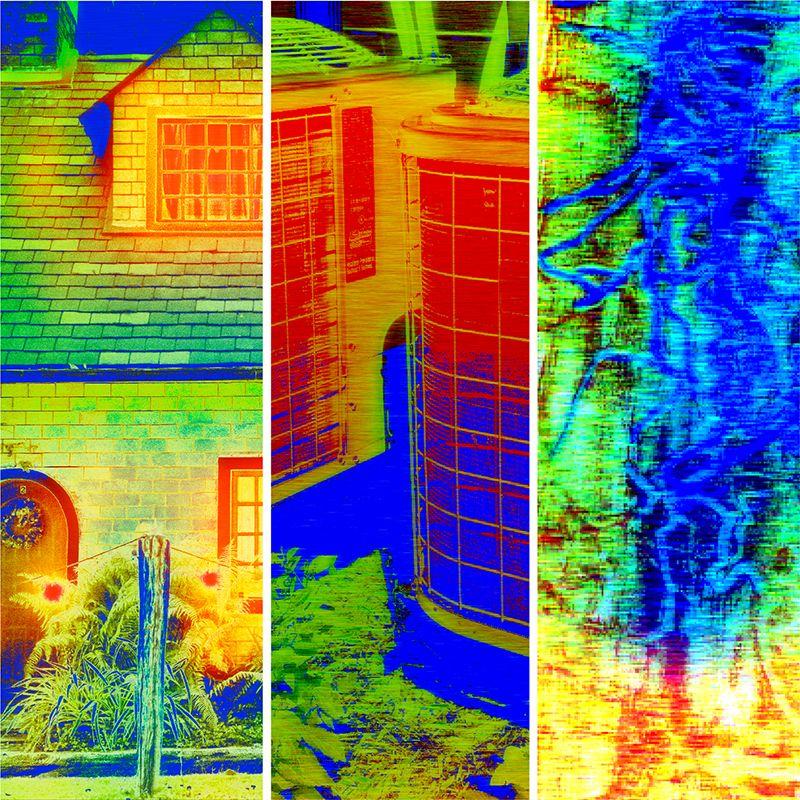
Inside Commercial Buildings in Cocoa: A Closer Look at Thermal Imaging Inspections
Commercial buildings in Cocoa operate in a demanding environment. Between coastal humidity, hurricane-driven rain, flat roof systems, rooftop HVAC units, and heavy daily occupancy, moisture and air quality issues can develop in places that are not immediately visible.
When business owners or property managers notice ceiling stains, musty odors, fluctuating humidity, or unexplained HVAC performance issues, one of the most valuable diagnostic tools available is thermal imaging.
Thermal imaging inspections provide a non-invasive way to identify temperature anomalies that may indicate hidden moisture, insulation gaps, air leaks, or building envelope weaknesses. In commercial structures—where opening walls unnecessarily can disrupt operations—this technology offers clarity before demolition begins.
In Cocoa’s humid coastal climate, understanding how thermal imaging works and what it can (and cannot) reveal is essential for commercial property protection.
What Thermal Imaging Actually Detects
Thermal imaging cameras detect infrared radiation, which translates into temperature differences across surfaces.
It’s important to clarify: thermal cameras do not “see water.” Instead, they detect surface temperature variations that may suggest:
-
Moisture presence
-
Air infiltration
-
Insulation deficiencies
-
HVAC imbalances
-
Roof heat gain differences
Moist materials often appear cooler (or occasionally warmer, depending on conditions) than surrounding dry materials because moisture affects how heat moves through surfaces.
In Cocoa commercial buildings, these patterns can reveal hidden problems before they become visible.
Why Thermal Imaging Is Especially Valuable in Commercial Buildings
Commercial structures differ from residential homes in several ways:
-
Larger square footage
-
Extensive duct systems
-
Drop ceilings with open plenums
-
Flat or low-slope roofing systems
-
Shared tenant walls
-
Continuous HVAC operation
Because of this complexity, moisture may travel far from its source before becoming visible.
Thermal imaging helps narrow down the origin and extent of potential issues without opening walls in occupied offices or retail spaces.
Common Scenarios in Cocoa Commercial Buildings
Thermal imaging inspections are often requested in Cocoa after:
-
Heavy storms or hurricane events
-
Roof membrane damage
-
Repeated ceiling tile staining
-
Tenant complaints of musty smells
-
HVAC condensation issues
-
Suspected slab moisture migration
-
Plumbing leaks inside walls
In coastal Florida, even small envelope breaches can allow wind-driven rain to travel behind exterior walls.
Thermal imaging allows professionals to scan large wall sections quickly and pinpoint suspect zones.
Step 1: Environmental Setup and Baseline Conditions
A successful thermal imaging inspection depends on temperature contrast.
Professionals often:
-
Run HVAC systems to create interior/exterior temperature differences
-
Close exterior doors and windows
-
Allow the building to stabilize before scanning
-
Document ambient temperature and humidity
In Cocoa’s humid environment, contrast may be subtler than in dry climates. Experience matters when interpreting images.
Without proper conditions, temperature differences may be too minor to detect.
Step 2: Scanning Exterior Walls and Building Envelope
Exterior walls are high-risk zones in Cocoa commercial properties.
Wind-driven rain during storms can enter through:
-
Window perimeters
-
Stucco cracks
-
Control joints
-
Sealant failures
-
Masonry transitions
Thermal imaging can reveal:
-
Cooler vertical streaks indicating moisture trails
-
Isolated cold spots near window frames
-
Irregular patterns consistent with insulation voids
Once a thermal anomaly is located, professionals confirm with moisture meters.
Step 3: Flat Roof and Ceiling Inspections
Many commercial buildings in Cocoa use flat or low-slope roofing systems.
Flat roofs are particularly vulnerable to:
-
Ponding water
-
Membrane seam failures
-
Flashing deterioration
-
Storm-related punctures
Thermal imaging is often used:
-
After sunset when roof surfaces cool
-
To detect areas retaining moisture
-
To identify saturated insulation beneath membranes
Inside the building, ceiling tile scanning may reveal cooler patches indicating moisture intrusion above.
Drop ceiling plenums can conceal widespread moisture before tiles stain visibly.
Step 4: HVAC System Evaluation
Rooftop HVAC units are common in Cocoa commercial properties.
Thermal imaging helps identify:
-
Condensation around duct connections
-
Insulation breakdown on duct lines
-
Cold air leakage at joints
-
Uneven air distribution across zones
-
Return air plenum imbalances
High humidity combined with cold duct surfaces can create condensation inside ceiling cavities.
Thermal imaging detects these temperature differences quickly across large areas.
Step 5: Slab and Floor Moisture Assessment
Slab-on-grade foundations are common in Florida commercial construction.
After prolonged rain or storm surge events, moisture may migrate upward through slab edges.
Thermal imaging can highlight:
-
Cooler floor perimeters
-
Temperature variations near exterior walls
-
Patterns beneath flooring materials
This is particularly helpful in retail spaces with vinyl, tile, or laminate flooring where moisture may not be visible immediately.
Step 6: Interior Partition and Shared Tenant Wall Scanning
In multi-tenant commercial buildings, moisture may spread between suites.
Thermal imaging allows professionals to:
-
Scan shared walls without opening them
-
Identify potential plumbing leaks between tenant spaces
-
Detect humidity buildup behind demising walls
Because business continuity matters, non-invasive diagnostics reduce disruption.
Confirming Thermal Findings With Moisture Meters
Thermal imaging alone is not conclusive.
After identifying anomalies, professionals use:
-
Pin-type moisture meters
-
Pinless moisture scanners
-
Hygrometers for ambient conditions
These tools confirm whether the thermal pattern represents moisture, insulation variation, or simply temperature difference from airflow.
In Cocoa’s climate, interpreting thermal images without confirmation can lead to incorrect conclusions.
Challenges of Thermal Imaging in Humid Coastal Environments
Thermal inspections in Cocoa commercial buildings come with unique challenges.
High Ambient Humidity
When indoor and outdoor temperatures are similar, temperature contrast may be minimal.
Reflective Surfaces
Glass storefronts and metal panels can reflect infrared radiation, creating misleading readings.
Active HVAC Airflow
Air movement can create temperature differences unrelated to moisture.
Large Open Spaces
In warehouses or large retail areas, heat distribution may vary widely.
Experienced professionals understand how to account for these variables.
Benefits of Early Thermal Imaging Inspections
Thermal imaging offers several advantages for Cocoa commercial property owners.
Non-Invasive Diagnosis
Walls and ceilings remain intact unless confirmation requires access.
Faster Problem Identification
Large areas can be scanned quickly.
Reduced Downtime
Targeted repairs minimize tenant disruption.
Preventative Maintenance
Minor envelope weaknesses can be identified before major damage occurs.
Documentation for Planning
Images provide visual evidence for repair planning or maintenance scheduling.
When to Schedule a Thermal Imaging Inspection
Commercial property managers in Cocoa should consider scheduling thermal imaging when:
-
After hurricane season
-
When ceiling tiles show repeated staining
-
When humidity complaints increase
-
Before major renovations
-
When purchasing or refinancing property
-
When preparing lease turnover inspections
-
If prior roof repairs have occurred
Proactive inspections often reduce larger remediation costs later.
Companies such as Inspections and More FL frequently emphasize that early moisture detection helps prevent long-term structural damage and mold growth in Florida’s climate.
Integrating Thermal Imaging Into a Broader Moisture Control Strategy
Thermal imaging is a diagnostic tool—not a standalone solution.
Once issues are identified, solutions may include:
-
Roof repairs
-
Sealant replacement
-
HVAC adjustments
-
Structural dryouts
-
Dehumidification
-
Air scrubbing during remediation
-
Insulation replacement
A comprehensive approach ensures that moisture sources are corrected, not just detected.
Why Local Experience Matters in Cocoa
Cocoa’s coastal environment affects commercial structures differently than inland buildings.
Professionals familiar with the region understand:
-
Salt air corrosion patterns
-
Hurricane wind-driven rain behavior
-
Flat roof vulnerabilities
-
Slab moisture migration in high water table areas
-
HVAC strain during extreme humidity
-
Seasonal dew point fluctuations
Experience across Cocoa, Merritt Island, Melbourne, Palm Bay, and Sanford improves interpretation of thermal findings.
Local knowledge reduces false positives and ensures targeted repairs.
A Practical Takeaway for Commercial Property Owners
Thermal imaging inspections inside commercial buildings in Cocoa offer a clear, structured way to detect hidden moisture and building envelope weaknesses without unnecessary demolition.
By identifying temperature anomalies early, property managers can:
-
Protect structural materials
-
Reduce mold risk
-
Improve HVAC efficiency
-
Maintain tenant comfort
-
Minimize downtime
-
Plan repairs strategically
In Florida’s humid coastal climate, moisture issues often begin quietly. A well-timed thermal imaging inspection provides clarity—allowing commercial property owners to respond calmly, efficiently, and proactively before small problems become large disruptions.